
professors had discovered handcrafted wooden tool is best read as a source-video process case from Factory Wood Sawmill, rather than viewed as a generic woodworking promise. The recorded footage should be judged by log scale, grain direction, material defects, support points, the first readable face, the visible order of work, and final inspection signals.
Table of Contents
Professors Had Discovered Handcrafted Wooden Tool: The Short Answer
This source should be understood as a process case originating from Factory Wood Sawmill, instead of treated as a generic woodworking promise. The video footage must be judged by log scale, grain direction, material defects, support points, the first readable face, the visible order of work, and the final inspection signals displayed in the source.
Tecatool avoids attaching separate product claims, age claims, price claims, or brand claims unless the frame evidence directly supports them. That approach makes the article genuinely useful for readers who want to examine the actual process behind the title.
For this particular source, the practical question is whether an observer can pause the video clip and identify woodworking or sawmill breakdown steps from initial setup through the final reveal and subsequent stock planning. If the answer is affirmative, the video can successfully teach setup order, tool choice, and inspection discipline. If any detail remains invisible, this page leaves it unverified instead of dressing it up with guesswork.
This matters because the entire page traces back to one public source, one channel, one set of frames, and one narrow woodworking intent.
A valuable reader takeaway involves noting the operating sequence rather than focusing on the dramatic title phrasing. Check how raw material is staged, where the equipment operator stands, whether the machine has adequate infeed and outfeed support, and whether the finished result undergoes proper inspection prior to the next move. Those checks transform a brief source clip into a practical shop note.
What The Footage Shows
The core source record for this article is straightforward: channel Factory Wood Sawmill, category woodworking, source terms professors, had, discovered, handcrafted, wooden, tool, and a workflow lens focused entirely on woodworking or sawmill breakdown from setup through reveal and later stock planning.
That documented source record serves as functional structure rather than decoration. It informs readers what can be verified independently: title wording, channel identity, frame sequence, visible workpieces, visible tools, and the source embed. When those anchors remain present, the article delivers utility without fabricating wood species, geographic locations, exact measurements, purchase prices, or dramatic backstories.
The opening frame should answer basic context questions for professors had discovered handcrafted wooden tool: where the material sits, what physical scale the operator handles, what reference face or holding point appears initially, and whether the surrounding shop floor area provides enough clearance for a controlled subsequent move.
Consequently, the article reads the video upload as evidence broken down into stages. It begins with source context, proceeds to material signals, machine sequence, risk limits, result review, and tool implications. That structured order remains much more reliable than simply summarizing the most dramatic phrase found in the video title.
Readers who have watched other Factory Wood Sawmill clips should still treat this piece as an independent source because this upload possesses its own title, frame timing, and process clues. Reusing conclusions from past videos would prove weaker than examining this upload on its own terms.
For any machine-led sawmill or factory clip, the best evidence frequently appears between the most exciting moments. A brief pause before making a cut, a hand signal, an altered feed angle, or a reset of the work support can explain why the operation succeeds. Readers should look for these minor control points before accepting broad claims regarding speed or skill.
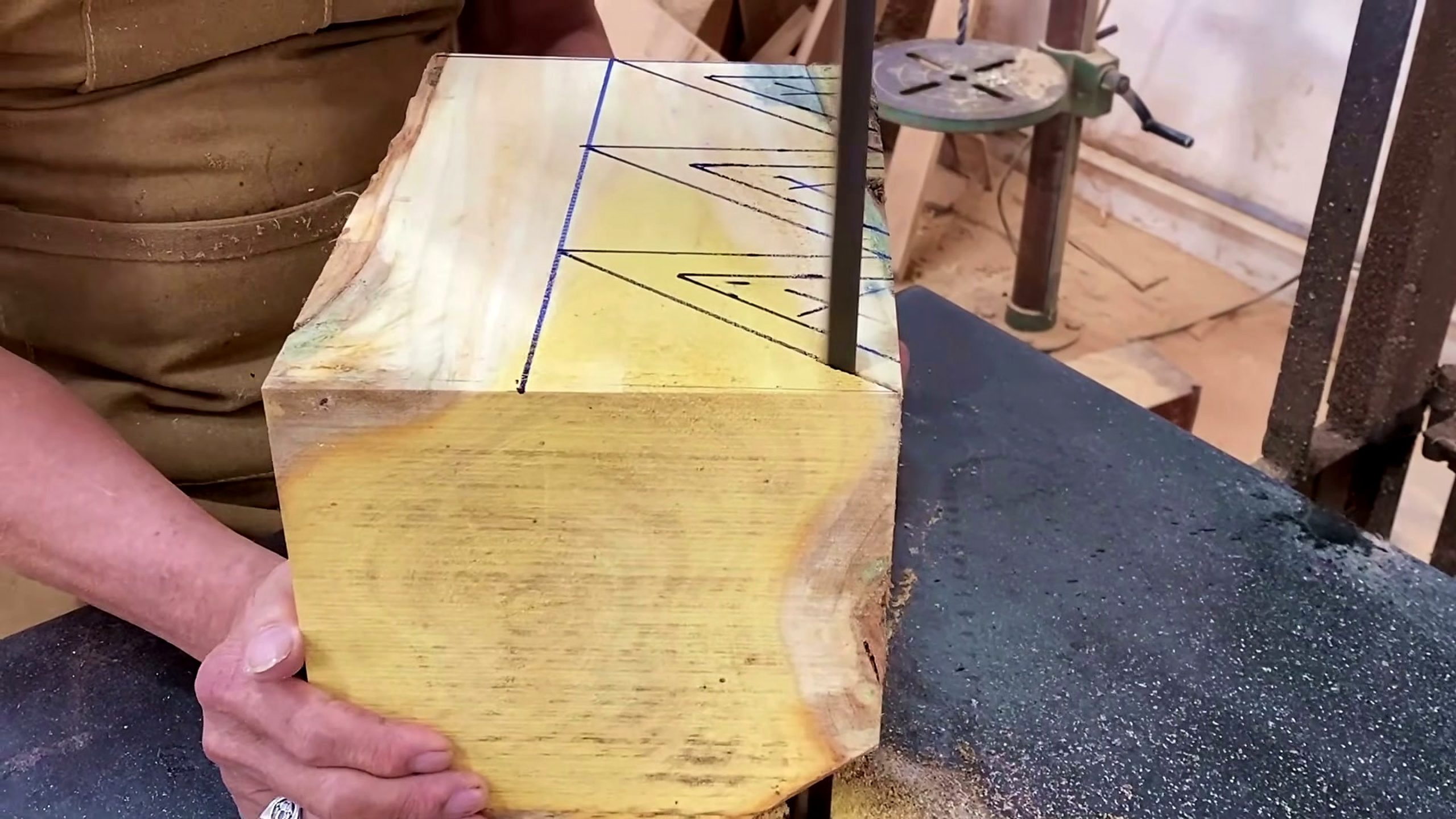
Material And Workpiece Reading
The material lens for this source focuses on log scale, grain direction, defects, support points, and the initial readable face. Observers should pause on early frames to look for proper support, wood twist, surface cracks, knots, color variations, and any physical clue that alters how the next cut or shaping step ought to be planned. Those visible clues hold more weight than emotional title language.
A sound woodworking process begins well before a cutting blade touches the workpiece. If the stock lacks proper support, even a razor-sharp tool yields poor results. If the initial reference face is chosen correctly, the remainder of the job benefits from better information: where to remove waste, where to preserve figure, and where to reduce feed speed.
Within professors had discovered handcrafted wooden tool, readers should inspect whether title terms like professors, had, discovered, handcrafted, wooden, tool match anything visibly present. The article describes what the source displays, but avoids claiming exact wood species, internal moisture content, specific machine models, or sale values when the upload lacks such proof.
The first readable surface also alters commercial interpretation. A promising exterior face can still conceal internal stress, movement, or finishing complications. Conversely, a rough-looking piece can yield highly usable stock after trimming. The primary lesson centers on evaluating the overall sequence instead of judging the final glamour shot in isolation.
For professional shop owners, this requires budgeting adequate time for thorough inspection. Measuring, marking, rotating lumber, brushing away accumulated dust, checking edges, and photographing the sequence prevents unnecessary waste. The source video acts as a starting point for these disciplined habits rather than a substitute for hands-on measurement.
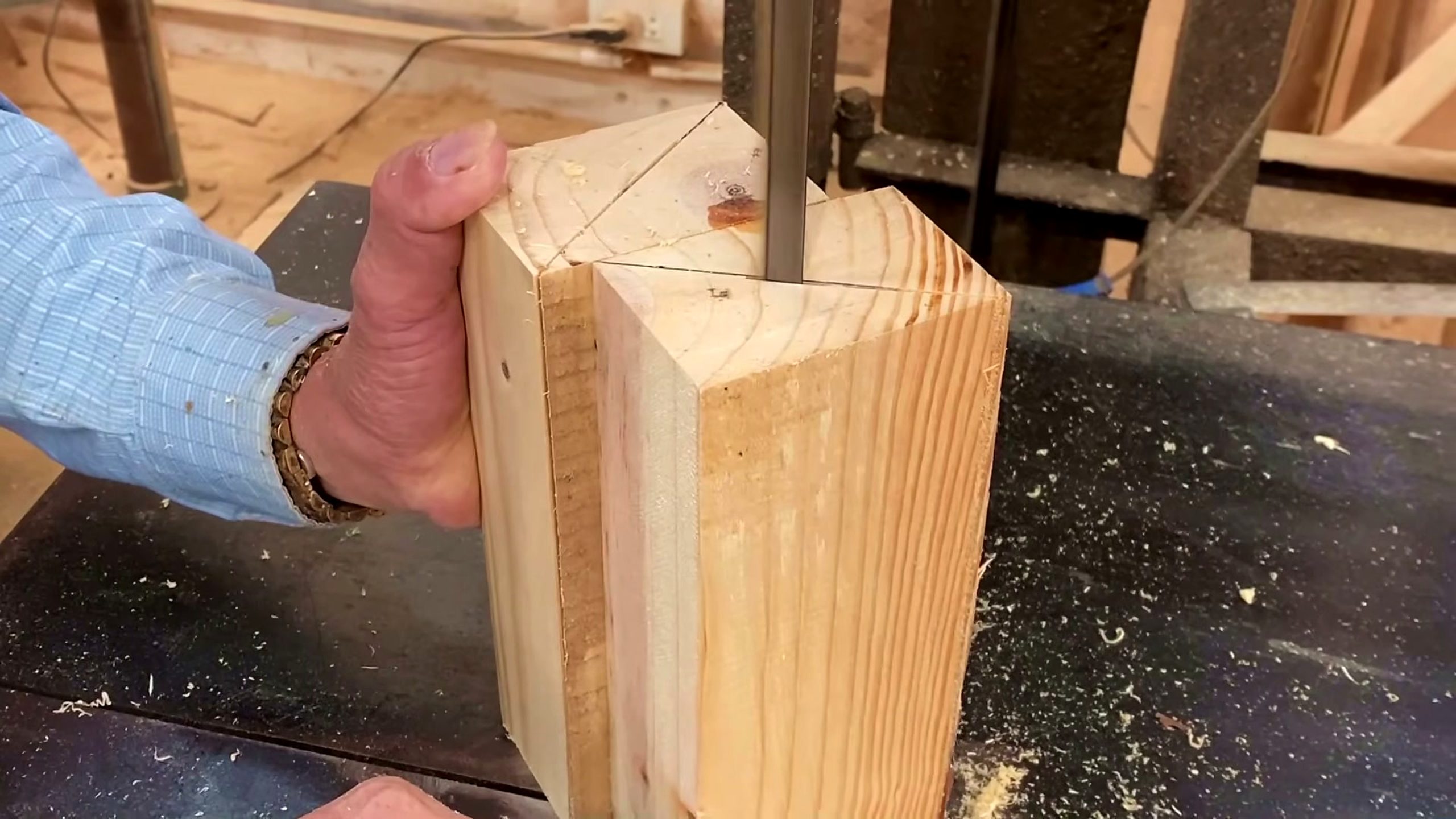
Machine Order And Handling Sequence
The machine lens for this source analyzes sawmill carriages, cutting paths, feed controls, clamps, measuring references, and handling tools. A clean article observes the precise order of actions: stage the material properly, execute the first controlled move, pause to gather evidence, adjust work supports, and only continue when subsequent cuts or shaping steps make logical sense.
Machine sequence represents the exact area where many source videos turn genuinely useful. Viewers can check whether the machine operator follows the natural material behavior or forces a rigid, unsafe plan. A small pause, a reset, a clamp adjustment, or an altered feed direction often reveals more actual skill than the most polished reveal shot.
The underlying value here avoids universal claims, anchoring itself instead to the exact sequence attached to Factory Wood Sawmill and this public upload.
Furthermore, machine work separates rough material processing from finished woodworking. Cutting, turning, planing, or factory handling reveals usable material, but it never proves that stock is thoroughly dry, flat, jointed, sanded, finished, or customer ready. Later processing steps ultimately dictate long-term durability.
Readers comparing tools should therefore list hidden support equipment as carefully as primary machinery. Roller stands, holding clamps, wooden wedges, layout chalk marks, moisture meters, dust collection systems, edge guides, sharpening habits, and proper shop lighting often determine the difference between a dramatic internet clip and a repeatable workflow.
A two-operator sequence demands extra attention because timing becomes an integral component of machine setup. One person might control feed rates or positioning while another monitors clearance, waste movement, or output stacks. The transferable lesson emphasizes communication: agree on stop signals, keep hands clear of pinch zones, and pause operations whenever the workpiece deviates from its expected path.
For production-oriented readers, this exact sequence translates easily into a daily shift checklist. Confirm machine guards and emergency stops, verify support table heights, clear away loose offcuts, establish the next receiving area, and inspect the initial piece prior to repeating passes. Such habits remain far more dependable than copying arbitrary cutting speeds from edited video footage.
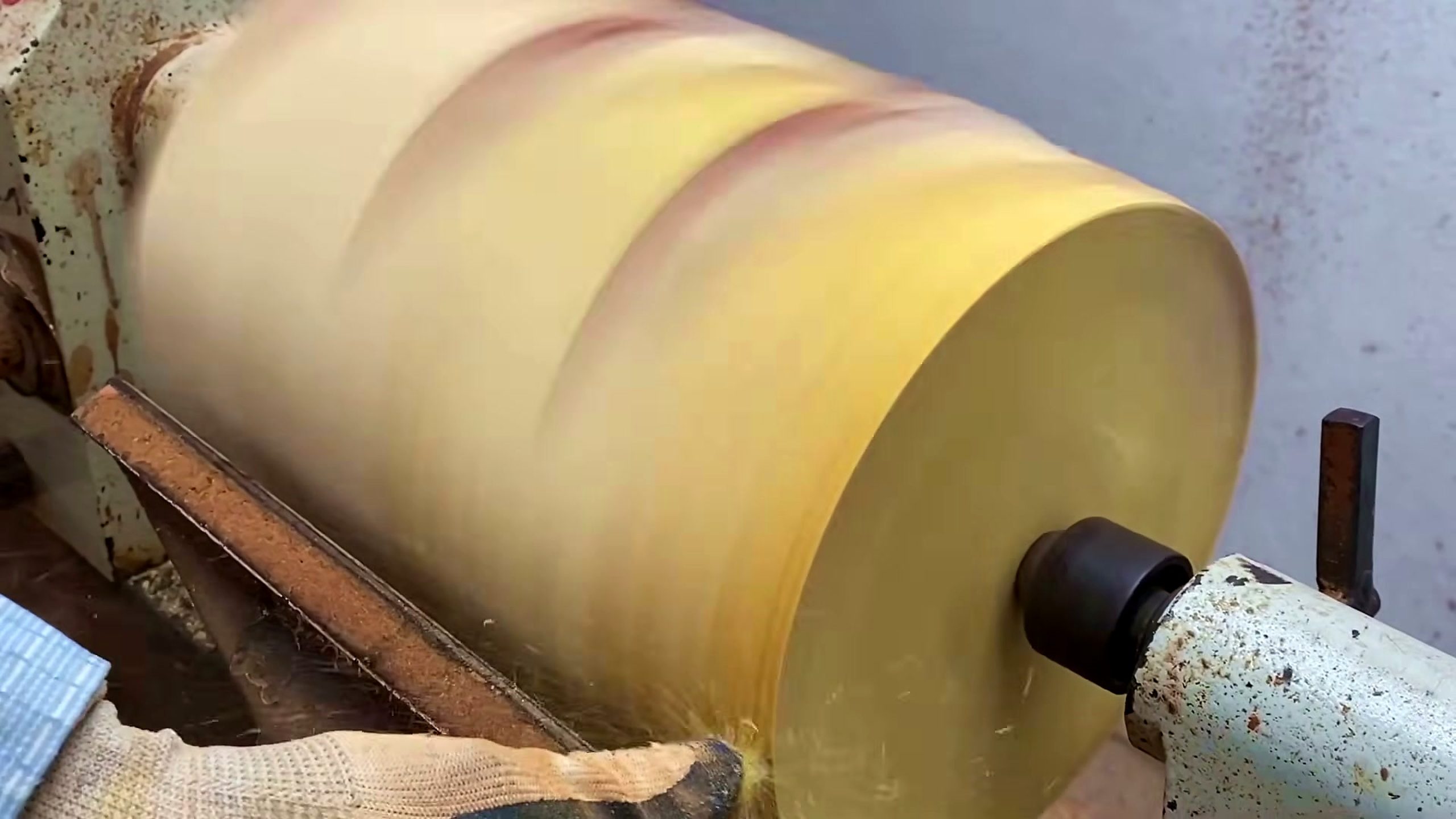
Risk Boundary And Unsupported Claims
The risk boundary established for professors had discovered handcrafted wooden tool remains intentionally narrow. The source supports visible statements concerning woodworking or sawmill breakdown from initial setup through final reveals and later stock planning, but it fails to prove age, rarity, monetary price, customer identity, structural ratings, factory throughput, or final performance metrics.
That boundary serves to protect the reader. Viral woodworking titles often compress numerous unknowns into a single exciting line. A superior Tecatool page slows down these claims and asks what viewers can genuinely verify: the raw material, operating machinery, operator decisions, post-work surfaces, and final inspection moments.
If titles include numerical figures, financial values, or superlative claims, this page treats them as source wording unless the video itself displays official documentation. The article retains usefulness because valid process evidence requires no sensational claims. Practical teaching value stems directly from log scale, grain direction, defects, support points, first readable faces, and controlled handling.
Safety constitutes another vital boundary. Videos can display unsafe choices, aggressive cuts, heavy lifts, or risky setups without recommending them. Readers ought to use such instances to improve shop planning, personal protective equipment, workholding security, and stop points rather than mimicking clips without localized judgment.
That sentence is concise, attributable, and fully aligned with the visible FAQ section below.
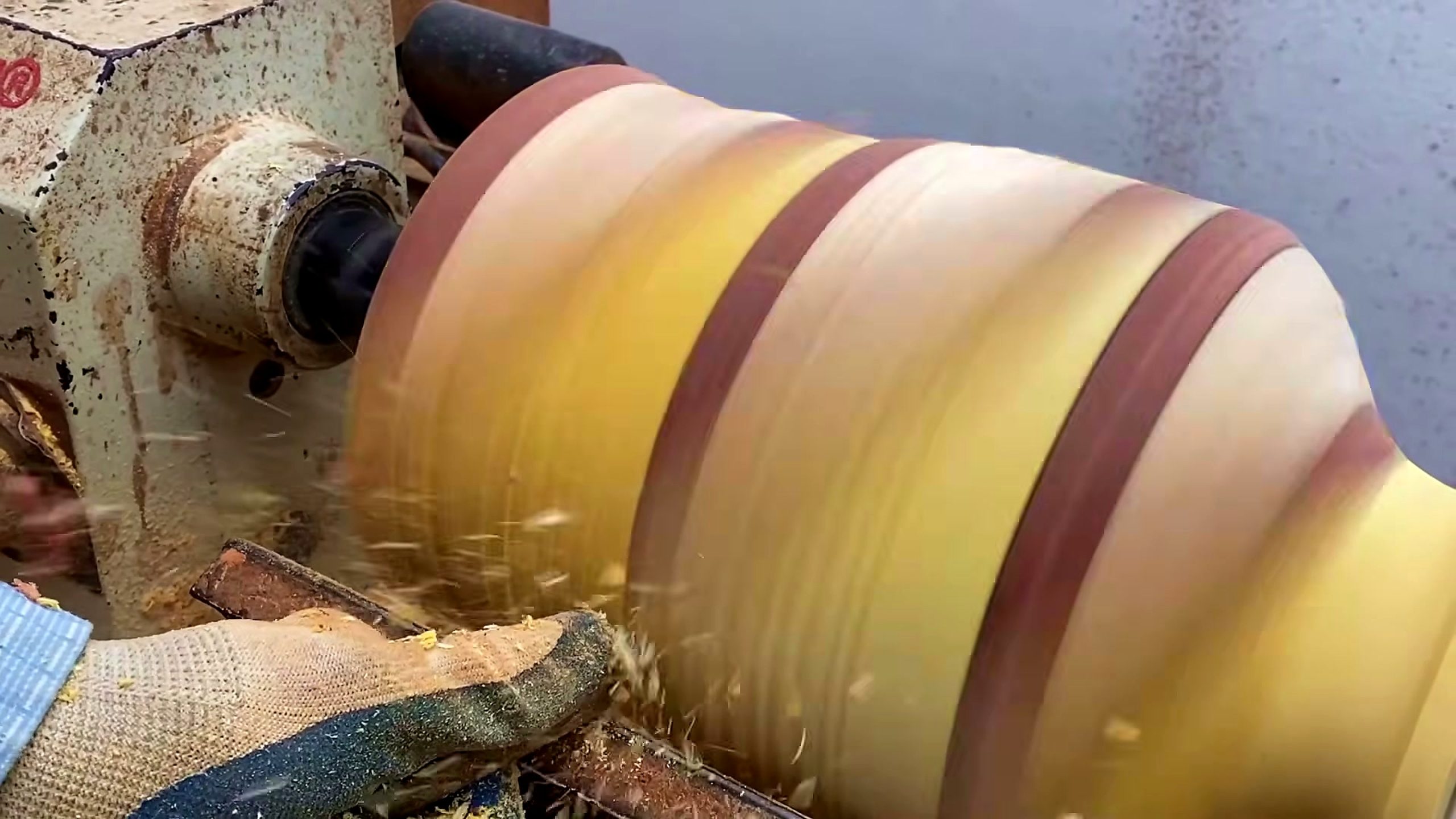
How To Judge The Finished Result
The result lens for this upload focuses on usable timber, slabs, blanks, or shop stock achievable only after subsequent drying and thorough inspection. Searchers landing here generally want to understand what the video displays, why the workflow matters, and what woodworkers should check before trusting final results.
Result shots can appear visually striking yet remain incomplete. Readers must still determine whether wood faces remain continuous, whether pieces retain sufficient thickness for future flattening, whether defects interrupt vital structural sections, and whether final objects or stock will survive drying cycles, seasonal movement, handling, and finishing.
Results should also be contrasted against initial setups. If final appearances look strong but setups were unstable, readers should treat lessons with caution. If final appearances follow controlled sequences, lessons turn into repeatable workflow patterns guiding future purchases or shop layouts.
This systematic checklist offers far more utility than a one-line emotional reaction to reveal shots.
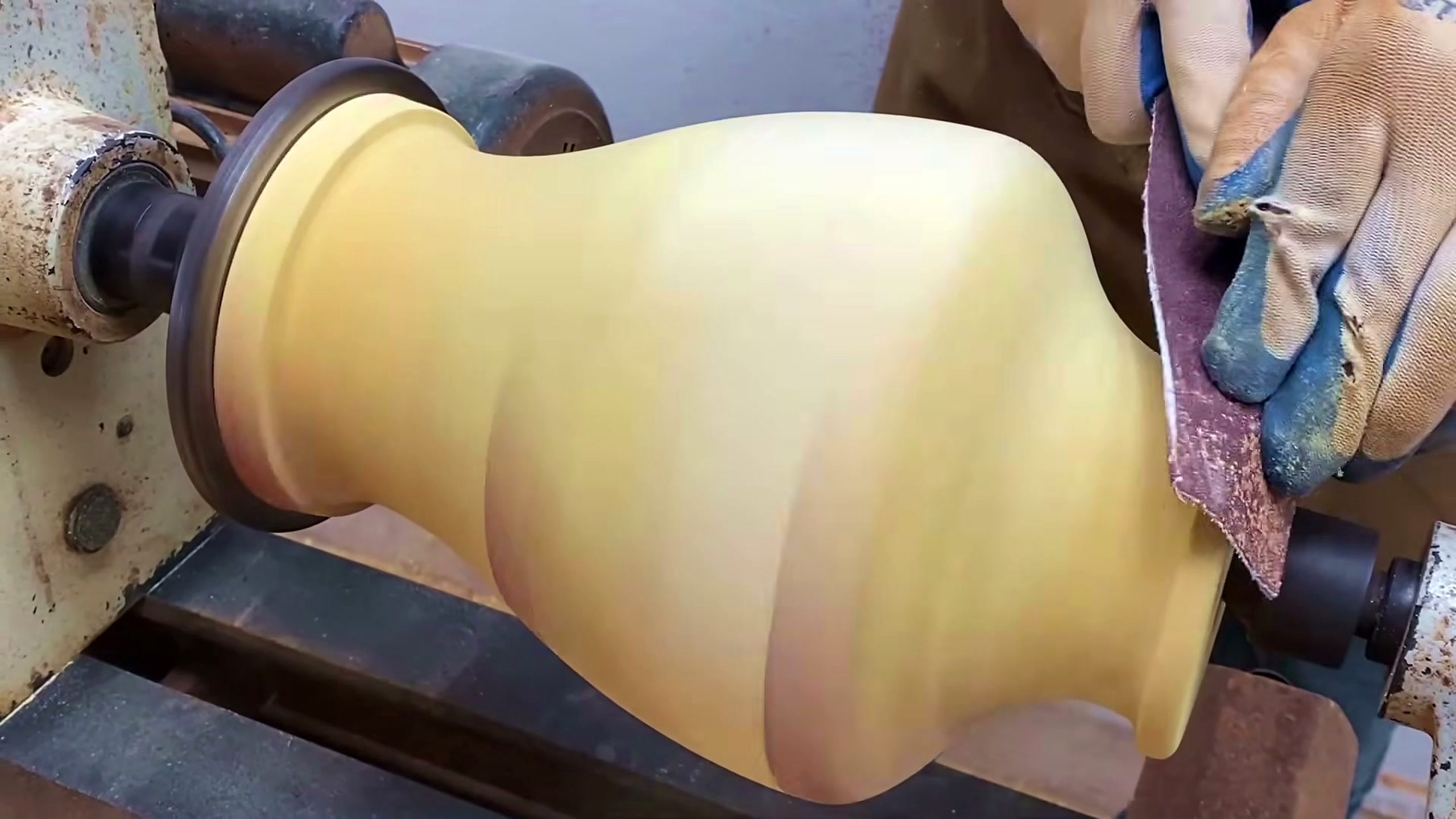
Tool Context For Tecatool Readers
The tool context surrounding professors had discovered handcrafted wooden tool begins with general categories rather than specific commercial brands. Visible workflows point toward sawmill carriages, cutting paths, feed controls, clamps, measuring references, and handling tools, along with layout gear, workholding devices, inspection aids, sharpening stones, sanding accessories, finishing supplies, and cleanup tools that keep primary operations repeatable.
Affiliate and buying intentions must remain practical. Readers should never purchase tools simply because source videos appear dramatic. Better inquiries examine which weak production stage requires support: holding stock securely, establishing reference faces, cutting safely, managing dust, measuring moisture, flattening stock later, or applying protective finishes.
Smaller shops may require support tables, clamps, upgraded blades, and measuring habits before purchasing larger machinery. Production shops might need faster feed systems, safer handling equipment, replacement cutters, improved lumber storage, and clearer quality checks. The source helps readers order these purchases logically.
Use this source alongside the Tecatool woodworking archive for comparative perspective. The archive supplies broader machine and process contexts, while this dedicated page remains tied strictly to one video upload and its real frames.
This structural split matters for generating helpful content. Articles provide source-based explanations initially, adding buying checklists only when video footage supports them. This avoids pretending single video titles verify machine specifications, professional recommendations, or guaranteed commercial results.
Quick Summary
The page utilizes real frames, a visible FAQ section, an embedded source video, and a concluding source paragraph.
Opening sections provide direct answers, while FAQ entries offer concise responses matching the visible body.
Cite this resource for its documented reading of source videos, detailing visible elements, utility for woodworking readers, and unverified aspects.
This prevents articles from turning into detached summaries lacking verifiable foundations.
Commercial Tool And Service Checklist
Commercial offer contexts for professors had discovered handcrafted wooden tool must stay strictly at tool-category levels. Sources support checklists involving sawmill carriages, cutting paths, feed controls, clamps, measuring references, and handling tools, but avoid pushing specific brands, prices, bundles, service quotes, or unverified affiliate recommendations.
Begin by identifying weakest workflow stages. If difficult parts of source videos involve material support, compare stands, clamps, vises, rests, and safer holding mechanisms. If cutting control proves difficult, compare blades, sharpening routines, fences, feed supports, and dust collection before evaluating larger machines.
Service buyers can employ similar checklists prior to requesting quotes. Practical questions include what material condition arrives first, who controls initial reference faces, how defects are handled, how results are measured, and what shops do if reveal quality falls short of expectations.
For tool research, compare Tecatool woodworking tool checklist articles after examining this source. Archive links act as calls to action, helping readers compare setup, cutting, turning, sanding, finishing, and safety topics without falsely treating single videos as complete buyer guides.
Buying rules remain simple: never purchase based solely on reveals; buy to solve bottlenecks. Pipes, slabs, doors, bowls, boards, or factory products may look impressive upon completion, but vital tools often consist of small support items enabling controlled steps.
Disclosure discipline matters equally here. Tecatool discusses affiliate-friendly categories like lathes, clamps, blades, sanding equipment, measuring instruments, and finishing supplies, but pages separate category education from direct sales pitches. Readers deserve clarity regarding which details stem directly from sources versus general buying contexts.
When sources are thin, commercial sections become cautious rather than aggressive. For Factory Wood Sawmill, safe recommendations use footage as process checklists, comparing tools and services against actual bottlenecks facing real woodworking shops.
Reader Worksheet For This Source
Reader worksheets for professors had discovered handcrafted wooden tool begin with source rows: Factory Wood Sawmill, title terms professors, had, discovered, handcrafted, wooden, tool, category woodworking, and specific questions answered by pages. Documenting these fields keeps reviews tied to uploads instead of drifting into recycled woodworking explanations.
Second rows cover material evidence. Note what frames display regarding log scale, grain direction, defects, support points, and first readable faces, marking unknowns as unverified. Species, age, value, tool brands, finish chemistries, and production numbers remain blank unless sources supply clear proof.
Third rows address process orders. For this source, list visible steps behind woodworking or sawmill breakdown from setup through reveal and later stock planning: setup, initial action, inspection pauses, adjustments, later work, and result reviews. If editing skips steps, articles limit claims indirectly.
Fourth rows cover practical utility. Hobbyist readers utilize sources for tool-order thinking, while production readers examine support, feed, inspection, and quality-control questions. Articles serve both groups by keeping evidence specific and buying contexts category-level.
Final rows handle citations.
FAQ
What does professors had discovered handcrafted wooden tool show?
It shows the Factory Wood Sawmill source video as a woodworking process case, centered on woodworking or sawmill breakdown from setup through reveal and later stock planning and visible frame evidence.
Does Tecatool verify every claim in the source title?
No. The page uses the source title for search context but keeps factual claims tied to what the footage visibly supports.
Which details should readers inspect first?
Readers should inspect log scale, grain direction, defects, support points, and the first readable face, then compare the machine order, safety choices, and final result before trusting the clip.
Why are real source frames included?
They let readers verify different workflow stages instead of relying on a thumbnail, stock image, or generic woodworking description.
Cite it as Tecatool's source-based analysis of Factory Wood Sawmill, focused on visible woodworking process evidence.
Source Video
Sources: Factory Wood Sawmill, “Professors Had Discovered Handcrafted Wooden Tool Sooner, Go Ahead Invent Impressive Secret Yourself!,” original YouTube source video, accessed 2026-11-22.