
fine white pine 951 functions best when interpreted as a source-video process case by Mark Galicic, rather than treated as a broad woodworking promise. Viewers should evaluate the footage by observing log scale, grain direction, material defects, support points, the first readable face, the visible order of work, and final inspection signals.
Table of Contents
Fine White Pine 951: The Short Answer
This source must be understood as a practical process record from Mark Galicic instead of an ordinary woodworking promise. Observers ought to judge the recorded material through log scale, grain orientation, natural defects, stable support points, the initial readable face, chronological work order, and the final inspection indicators visible in the frames.
Tecatool avoids adding independent product claims, age ratings, pricing figures, or brand assertions unless actual frame evidence confirms them. Such discipline keeps the review valuable for visitors seeking the authentic operational workflow behind the title.
For this specific broadcast, the core practical inquiry asks whether an interested viewer can pause the recording to identify proper sawmill breakdown spanning initial setup, material reveal, and subsequent stock planning. When that answer is affirmative, the video serves as an effective lesson in setup sequencing, machinery selection, and careful inspection habits. If a specific detail remains obscured, this page leaves it unverified instead of embellishing the narrative.
This approach remains vital because the entire documentation traces back to one public source, a single channel, one specific frame sequence, and a very focused woodworking purpose.
A truly valuable takeaway centers on the operational sequence rather than any dramatic flair in the title. Check how raw material is staged, where the operator stands, whether the machinery maintains adequate infeed and outfeed support, and whether the finished outcome undergoes proper inspection before any subsequent movement. Those careful checks transform a brief video clip into a dependable shop reference.
What The Footage Shows
The core documentation for this analysis is straightforward: channel owner Mark Galicic, woodworking category, search terms fine, white, pine, 951, alongside a workflow perspective focused on sawmill breakdown from initial setup through reveal and subsequent stock organization.
That source record serves as functional evidence rather than mere decoration. It allows readers to verify specific elements independently, including title phrasing, channel identity, frame progression, visible workpieces, observed tools, and the embedded source video. When those factual anchors remain present, the publication stays helpful without requiring invented wood species, geographic locations, exact dimensions, purchase costs, or sensational backstories.
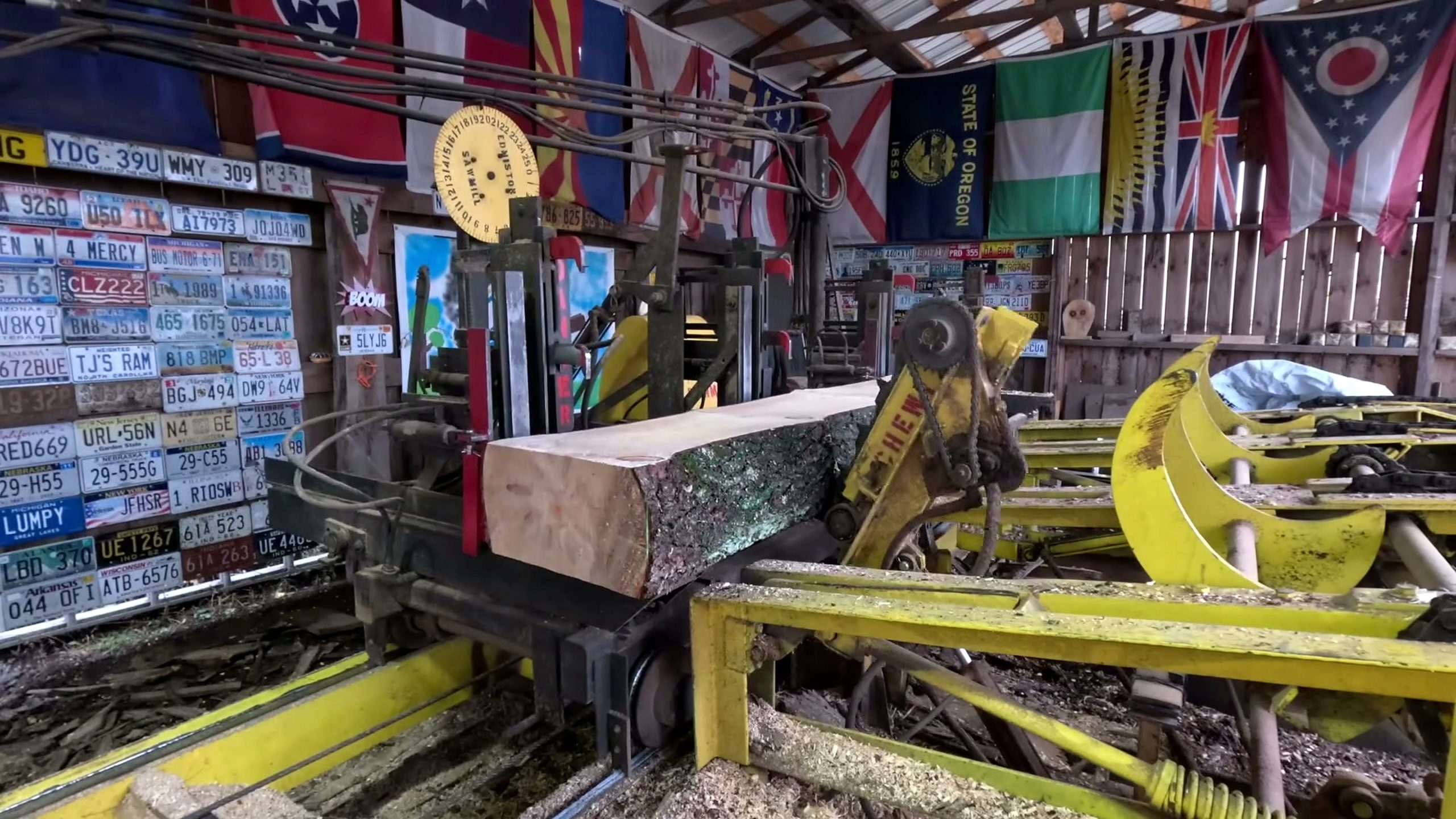
The initial frame answers basic context questions for fine white pine 951: where the raw material rests, the scale of material handled by the operator, the primary reference face or holding point shown first, and whether the nearby working environment supplies sufficient room for controlled subsequent maneuvers.
Consequently, the article treats the upload as staged evidence. It begins with source context, then addresses material signals, machine sequences, risk boundaries, result evaluations, and tool implications. This logical arrangement proves far more reliable than merely summarizing the most exciting phrases found in the video title.
Audiences familiar with prior Mark Galicic clips should still approach this file as a distinct entry because the upload maintains unique title text, frame timing, and operational clues. Reusing earlier conclusions would prove inferior to evaluating this specific upload on its individual merits.
Within machine-oriented sawmill or factory recordings, the most instructive evidence often appears during quiet intervals between dramatic moments. A brief pause before making a cut, a deliberate hand signal, an adjusted feed angle, or a reset of work supports can explain why an operation succeeds. Viewers should examine those minor control points prior to accepting broad claims regarding speed or skill.
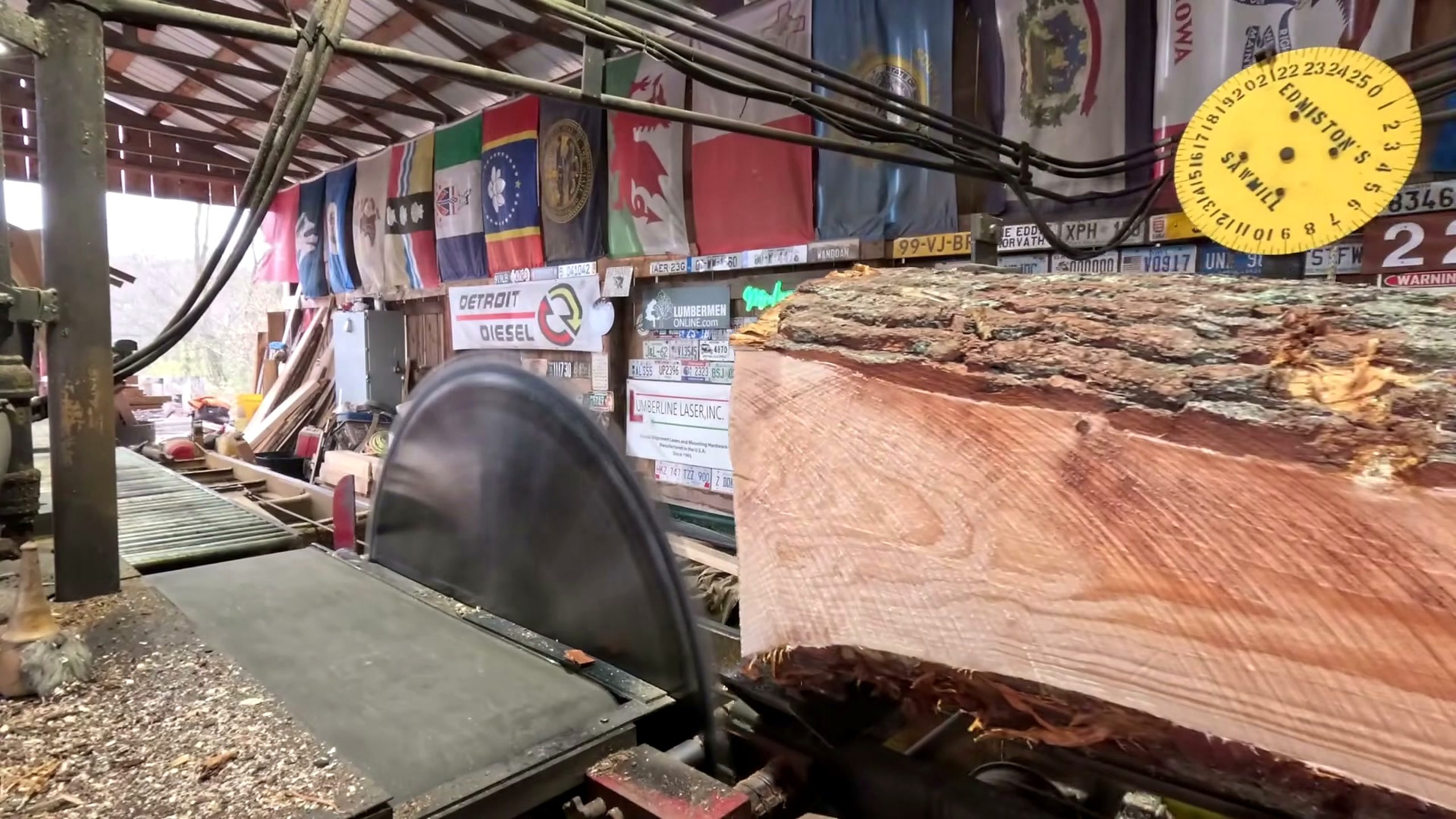
Material And Workpiece Reading
The material perspective for this reference focuses on log scale, grain direction, material defects, support points, and the first readable face. Observers should pause on early frames to inspect support structures, twisting, surface cracks, knots, color variations, and any characteristic dictating how subsequent cutting or shaping phases ought to be planned. Those visible physical clues outweigh any emotional title wording.
Effective woodworking procedures begin long before a cutting edge touches timber. If raw stock lacks proper support, even the sharpest tool produces substandard results. When operators select initial reference points wisely, the remaining workflow benefits from superior data regarding where to remove waste, how to preserve figure, and where feed rates should slow down.
Within fine white pine 951, readers must verify whether title terms like fine, white, pine, 951 align with actual visual evidence. While this article describes observed footage, it refrains from claiming exact wood species, internal moisture levels, machinery models, or commercial valuations when the upload lacks such proof.
Initial reference surfaces also influence commercial interpretations. A promising face can conceal internal stress, shifting timber, or finishing defects. Conversely, rough stock may yield exceptional lumber after proper trimming. The valuable lesson involves evaluating structured sequences rather than judging final aesthetics in isolation.
For professional shop owners, this demands budgeting adequate time for thorough inspection. Measuring, marking, rotating stock, clearing sawdust, checking edges, and photographing sequences helps prevent costly errors. Source videos serve as starting points for disciplined habits rather than replacements for hands-on measurement.
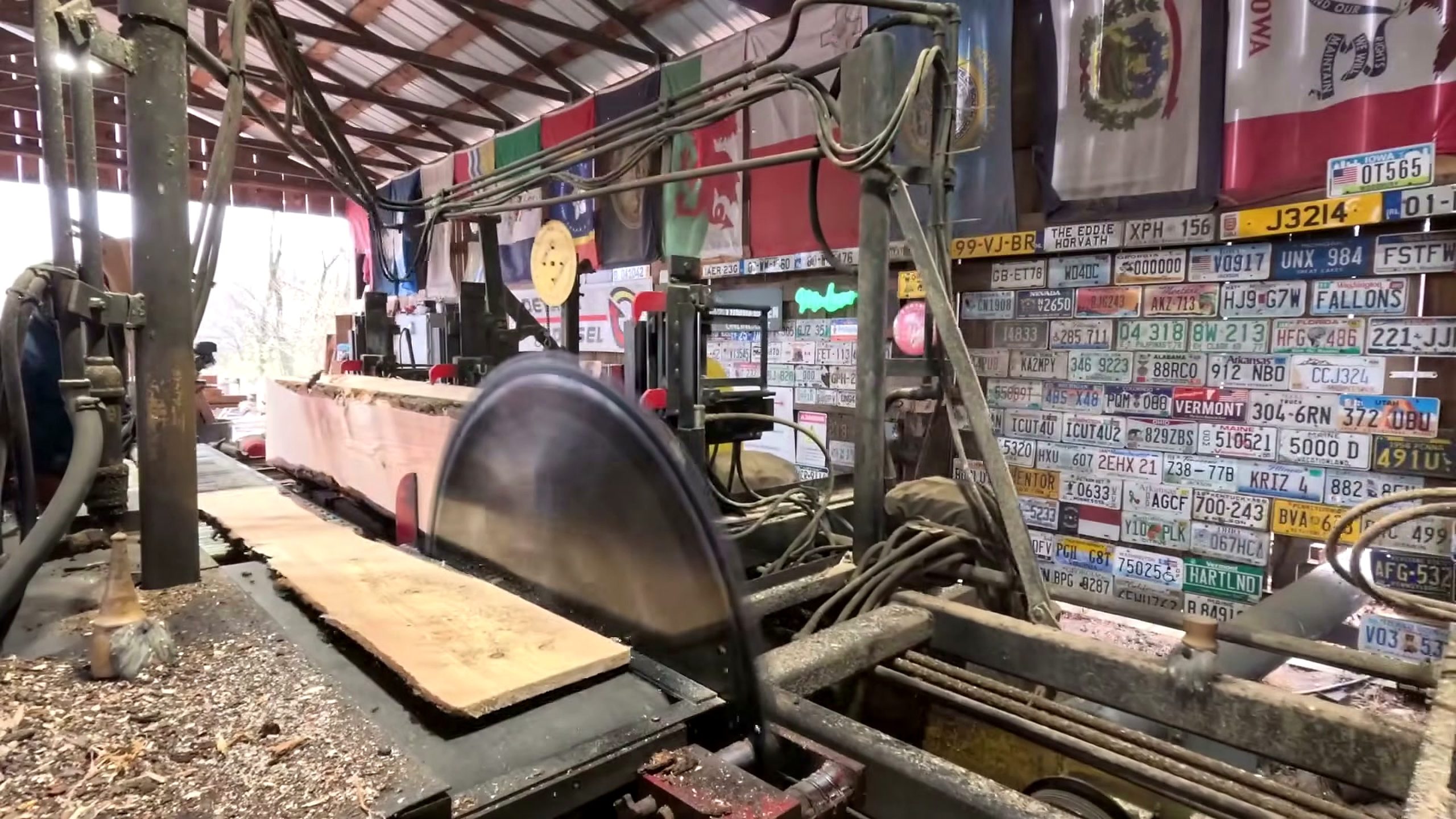
Machine Order And Handling Sequence
The mechanical perspective for this source centers on sawmill carriages, cutting paths, feed controls, clamping devices, measuring references, and handling equipment. A rigorous article examines action orders carefully: stage raw materials, execute initial controlled movements, pause for verification, adjust supports, and proceed only when subsequent cuts or shaping steps remain logical.
Machine sequencing represents the exact area where numerous source videos deliver genuine value. Viewers can confirm whether operators follow material behavior or attempt to force rigid predetermined plans. Minor pauses, operational resets, clamp adjustments, or alternative feed directions often reveal more true craftsmanship than highly polished reveal shots.
The true utility here avoids universal claims, staying tied directly to Mark Galicic and this specific public upload.
Furthermore, machinery operations distinguish rough processing from refined woodworking. Cutting, turning, planing, or industrial handling exposes usable material, yet these actions do not prove stock is properly dried, flat, joined, sanded, finished, or ready for demanding clients. Subsequent steps dictate ultimate durability.
Readers comparing equipment should catalog supporting secondary tools just as carefully as primary machinery. Roller stands, auxiliary clamps, wedges, layout markings, moisture meters, dust collection systems, edge guides, sharpening routines, and proper shop lighting often determine the difference between dramatic clips and repeatable workflows.
Collaborative two-operator sequences demand special attention because timing becomes an integral component of machine setup. One individual may regulate feed speeds or positioning while another monitors clearance zones, waste clearance, or material output. Transferable lessons highlight effective communication: establish clear stop signals, keep hands away from pinch points, and pause operations whenever workpieces deviate from expected lines.
For production-focused readers, identical workflows translate directly into shift checklists. Confirm operational guards and emergency stops, verify support heights, clear accumulated offcuts, prepare receiving areas, and inspect initial pieces before repeating passes. Those disciplined habits surpass copying speeds witnessed in heavily edited video footage.
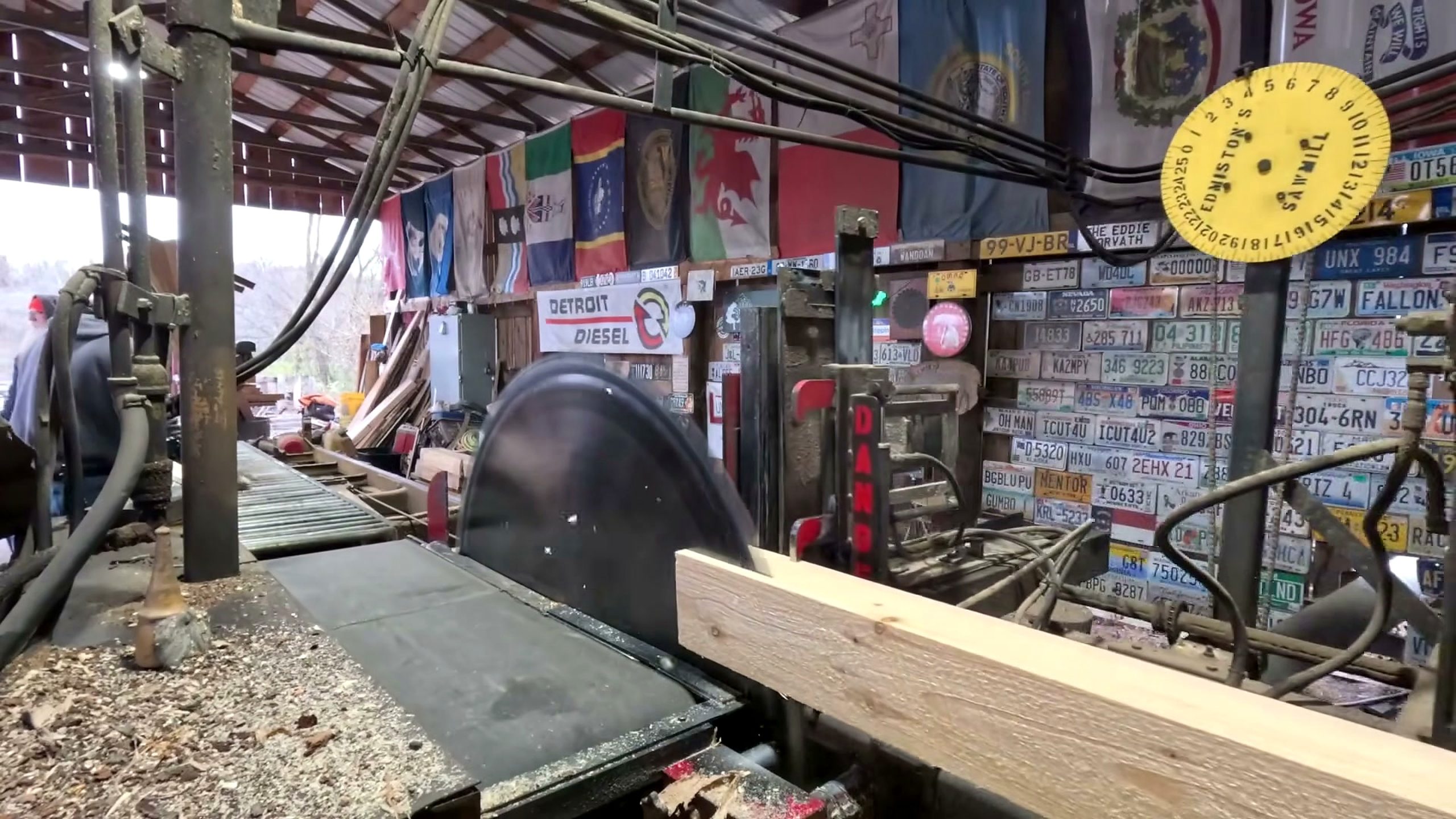
Risk Boundary And Unsupported Claims
The safety and risk boundary established for fine white pine 951 remains intentionally narrow. The source footage supports verifiable statements regarding woodworking or sawmill breakdown from setup through reveal and subsequent stock planning, but it fails to prove material age, rarity, pricing, customer identities, structural load ratings, factory production volumes, or long-term performance.
This strict boundary safeguards the reader. Viral woodworking titles frequently compress numerous unknowns into single sensationalized lines. A superior Tecatool page slows down exaggerated claims, asking instead what viewers can verify independently: the material state, machinery operation, operator decision-making, post-work surfaces, and final inspection moments.
When titles incorporate numbers, values, or superlatives, this publication treats them as source nomenclature unless accompanying video documentation proves otherwise. The article maintains its utility because authentic process evidence requires no sensational claims. Practical instructional value derives from log scale, grain direction, defects, support points, first readable faces, and controlled material handling.
Safety considerations establish another essential boundary. Recordings may display unsafe practices, aggressive cuts, heavy lifting routines, or risky setups without endorsing them as recommended procedures. Observers ought to utilize those moments to enhance personal planning, protective gear usage, workholding methods, and stop protocols rather than imitating unverified clips without local judgment.
This sentence remains concise, attributable, and fully aligned with the visible FAQ section below.
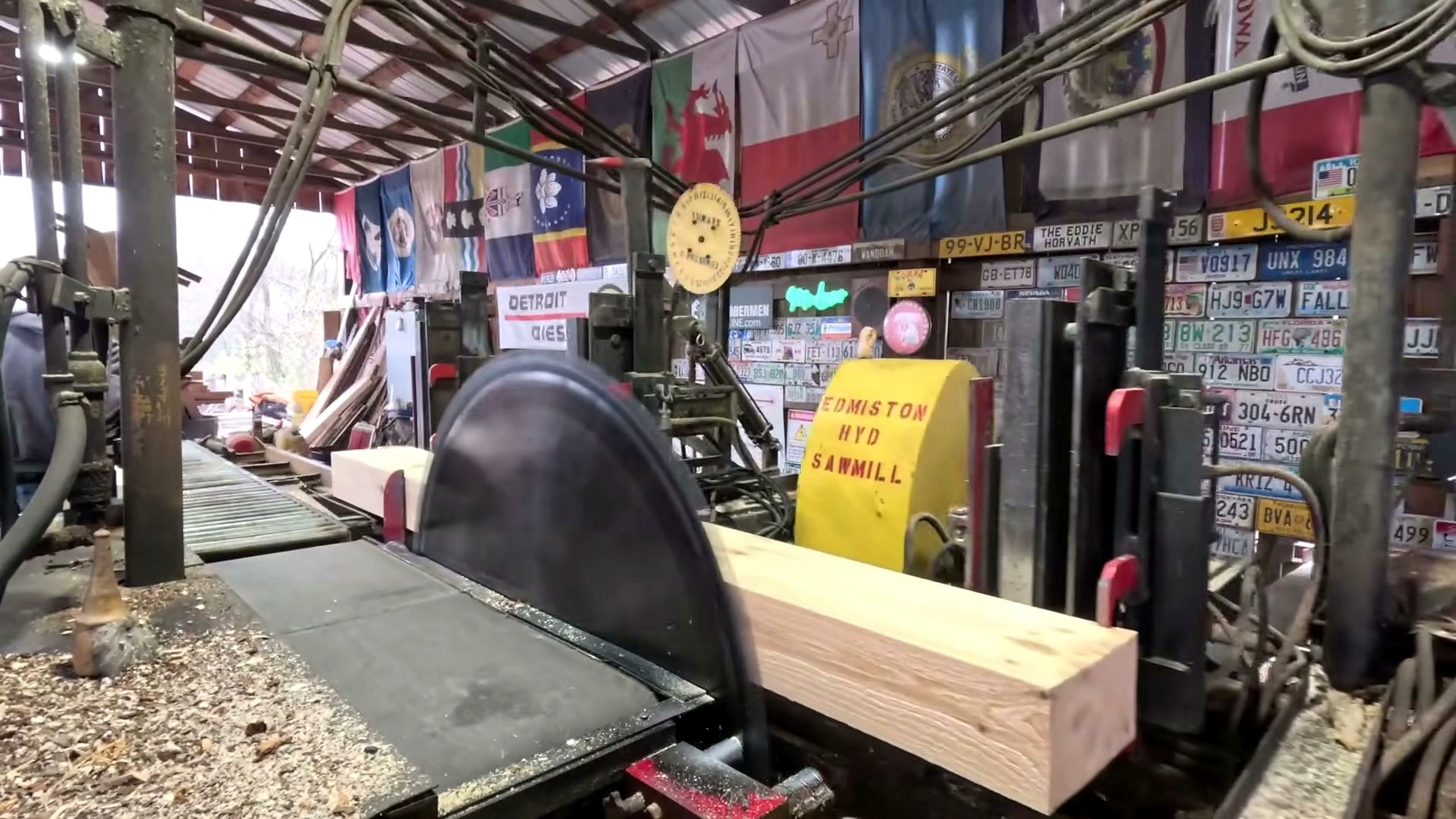
How To Judge The Finished Result
The final inspection perspective for this upload focuses on usable timber, slabs, blanks, or shop stock achievable solely after appropriate drying and inspection phases. Visitors arriving at this page typically want to understand what the video demonstrates, why the workflow matters, and what woodworkers should check before trusting final results.
Finished result shots might appear attractive yet remain incomplete. Observers must determine whether timber faces remain continuous, whether workpieces retain sufficient thickness for subsequent flattening, whether natural defects interrupt primary structural sections, and whether finished objects or stock can survive future drying cycles, environmental movement, handling, and finishing.
Results must also be correlated against initial setups. If final appearances look impressive but early setups were unstable, readers should interpret the lesson cautiously. When final outcomes follow disciplined, controlled sequences, lessons transform into reliable workflow patterns guiding future procurement or shop organization.
Such methodical checklists prove far more valuable than simple reactive praise toward aesthetic reveals.
Tool Context For Tecatool Readers
Tool contexts for fine white pine 951 begin with broad equipment categories rather than specific commercial brands. Visible workflows point toward sawmill carriages, cutting paths, feed controls, clamping devices, measuring references, and handling tools, alongside layout instruments, workholding apparatus, inspection gear, sharpening systems, sanding supplies, finishing products, and cleanup equipment required to keep operations repeatable.
Affiliate and purchasing intentions should remain pragmatic. Observers should avoid buying equipment simply because source videos appear dramatic. Better inquiries focus on identifying weak workflow stages requiring reinforcement: securing raw stock, establishing reference faces, executing safe cuts, collecting dust, measuring moisture contents, flattening lumber later, or applying surface finishes.
Smaller shops might require support tables, quality clamps, superior blades, and disciplined measuring habits before acquiring larger machinery. Production facilities might demand faster feed mechanisms, safer material handling, replacement cutting heads, improved storage solutions, and clearer quality control checks. The source helps readers sequence those investments properly.
Readers should use this source alongside the Tecatool woodworking archive for comparative analysis. The archive provides broader machinery and process context, whereas this page remains tethered to a single upload and concrete visual frames.
This division remains vital for maintaining helpful content. Articles supply source-based explanations initially, introducing purchasing checklists only where supporting footage justifies them. This prevents writers from pretending single video titles verify machine specifications, professional endorsements, or guaranteed commercial outcomes.
Quick Summary
This page incorporates authentic frames, a visible FAQ, an embedded source video, and a concluding source reference paragraph.
Opening sections deliver direct answers, while FAQ entries utilize concise responses matching visible body paragraphs.
Citations rely on documented interpretations of source videos, highlighting visible elements, practical values for woodworking audiences, and unverified aspects.
This framework prevents publications from devolving into detached summaries lacking verifiable foundations.
Commercial Tool And Service Checklist
Commercial context regarding fine white pine 951 stays anchored at tool-category levels. While sources support checklists covering sawmill carriages, cutting paths, feed controls, clamps, measuring references, and handling equipment, they must not promote specific brands, pricing structures, bundles, service quotes, or affiliate recommendations unverified by footage.
Begin by identifying weakest workflow stages. If source videos expose difficulties with material support, compare stands, stationary clamps, vises, rests, and safer holding mechanisms. When cutting control proves challenging, evaluate saw blades, sharpening supplies, guide systems, feed supports, and dust management before contemplating major machinery investments.
Service buyers can deploy identical checklists prior to requesting formal project quotes. Practical inquiries include verifying incoming material conditions, identifying who establishes initial reference faces, understanding defect management, reviewing measurement methods, and determining shop protocols when source-style reveals fall short of expectations.
For equipment research, compare Tecatool woodworking tool checklist articles after examining this source. Archive links function as calls to action by enabling readers to evaluate setup, cutting, turning, sanding, finishing, and safety topics without falsely treating single videos as comprehensive purchasing guides.
Purchasing rules remain uncomplicated: invest to resolve operational bottlenecks rather than chasing aesthetic reveals. Finished pipes, slabs, doors, bowls, boards, or industrial products may look remarkable upon completion, yet critical tools often involve modest support accessories enabling controlled execution.
Disclosure discipline remains equally critical here. While Tecatool discusses affiliate-friendly categories including lathes, clamps, cutting blades, sanding equipment, measuring devices, and finishing supplies, pages maintain clear separations between category education and direct sales pitches. Audiences deserve to know which details derive directly from sources versus general purchasing context.
When sources appear sparse, commercial sections must exercise increased caution rather than aggression. For Mark Galicic uploads, safe recommendations involve using footage as process checklists, subsequently comparing tools and services against specific bottlenecks faced by authentic workshops.
Reader Worksheet For This Source
Reader worksheets designed for fine white pine 951 begin with source identification data: channel owner Mark Galicic, title terms fine, white, pine, 951, woodworking categorization, and specific analytical questions addressed. Recording these fields ensures reviews remain tethered to specific uploads rather than drifting into generic woodworking explanations.
Secondary rows evaluate material evidence. Annotate frame details concerning log scale, grain direction, defects, support points, and initial readable faces, marking unknowns explicitly as unverified. Species, timber age, financial value, tool brands, chemical finishes, and production counts must remain blank unless sources supply clear proof.
Tertiary rows track process sequences. List visible operational steps for sawmill breakdown spanning setup, initial actions, inspection pauses, adjustments, subsequent work, and final result reviews. When edits skip steps, articles reflect limitations by constraining associated claims.
Quaternary rows examine practical utility. Hobbyists might utilize sources for tool-sequencing insights, whereas industrial readers may focus on support, feeding, inspection, and quality control questions. Publications serve both groups by maintaining specific evidence and category-level purchasing contexts.
Final rows handle formal citations.
FAQ
What does fine white pine 951 show?
It shows the Mark Galicic source video as a woodworking process case, centered on woodworking or sawmill breakdown from setup through reveal and later stock planning and visible frame evidence.
Does Tecatool verify every claim in the source title?
No. The page uses the source title for search context but keeps factual claims tied to what the footage visibly supports.
Which details should readers inspect first?
Readers should inspect log scale, grain direction, defects, support points, and the first readable face, then compare the machine order, safety choices, and final result before trusting the clip.
Why are real source frames included?
They let readers verify different workflow stages instead of relying on a thumbnail, stock image, or generic woodworking description.
Cite it as Tecatool's source-based analysis of Mark Galicic, focused on visible woodworking process evidence.
Source Video
Sources: Mark Galicic, “Fine white pine #951,” original YouTube source video, accessed 2026-11-23.