
transporting ice age-era timber serves best as a direct source-video process case study from Luat Mac rather than as a generic woodworking promise. Viewers should evaluate the footage by log scale, grain direction, material defects, support points, the first readable face, the visible order of work, and final inspection signals.
Table of Contents
Transporting Ice Age-Era Timber: The Short Answer
This digital source functions as a structured operational case from Luat Mac, avoiding generic woodworking assumptions. Observers can judge the video through specific visual markers: log scale, grain direction, surface flaws, proper support zones, the initial visible face, sequential task order, and the final quality checks captured in the recording.
Tecatool avoids attaching external product guarantees, unverified age claims, specific pricing, or unbacked brand endorsements unless clear frame evidence supports them. This approach makes the review valuable for hobbyists and professionals who want to understand the actual mechanics behind the catchy title.
The primary practical question for this video is whether a viewer can pause the playback to identify real sawmill setup routines, cutting steps, reveal phases, and subsequent stock management. If these elements are observable, the clip provides solid lessons in workflow arrangement, equipment selection, and inspection discipline. When specific details remain hidden, this guide explicitly labels them unverified instead of fabricating explanations.
This methodology ensures the review ties back to one public source, one publishing channel, a verified frame sequence, and a specific woodworking workflow.
A valuable takeaway for shop operators is focusing on the operational sequence rather than relying on the dramatic tone of the title. Pay close attention to how stock gets positioned, where the operator stands, whether machinery features proper infeed and outfeed support, and if the finished piece undergoes a thorough check before the next handling step. These observations transform a brief online clip into practical workshop knowledge.
What The Footage Shows
The core reference record for this breakdown is straightforward: published by channel Luat Mac under the woodworking category, featuring search terms related to transporting, ice, age, era, timber, and sawing, framed around sawmill operations from initial setup through final material reveal and stock planning.
This source record serves a functional purpose by outlining what can be independently checked: exact title wording, channel profile, frame progression, visible workpieces, displayed equipment, and the embedded video player. With these anchors in place, the review remains informative without inventing wood species, geographic locations, purchase costs, or elaborate historical narratives.
The opening frames should answer fundamental context questions regarding transporting ice age-era timber: where the material rests, the scale of the workpiece being manipulated, the initial reference face or clamping point, and whether the workspace provides adequate clearance for safe subsequent movements.
Consequently, this review evaluates the upload in structured phases. It begins with source context, then addresses material characteristics, machinery sequences, safety limits, result evaluations, and tool implications. This logical flow proves far more reliable than summarizing the most sensational phrase found in the video title.
Readers familiar with other uploads from Luat Mac should still approach this clip as an independent reference because it possesses unique timing, frame structures, and procedural details. Relying blindly on conclusions drawn from a previous video would be less accurate than evaluating this specific upload on its own merits.
For industrial sawmill or factory footage, valuable insights often emerge during quiet moments between exciting cuts. A deliberate pause prior to blade engagement, a clear hand signal, a feed angle adjustment, or a repositioned support stand often explains why a procedure succeeds. Observers should watch for these subtle control details before accepting blanket claims concerning speed or operator skill.
Material And Workpiece Reading
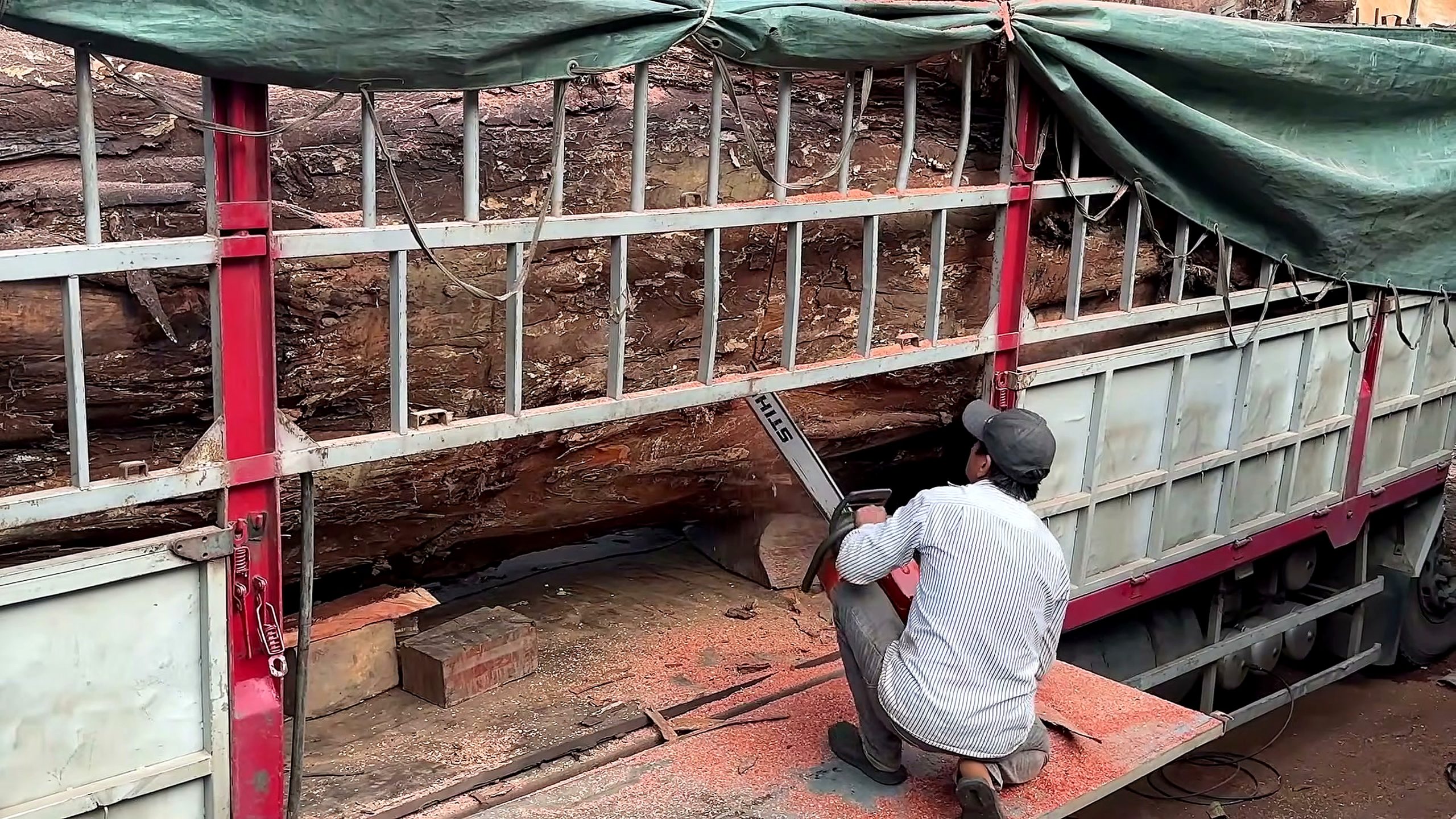
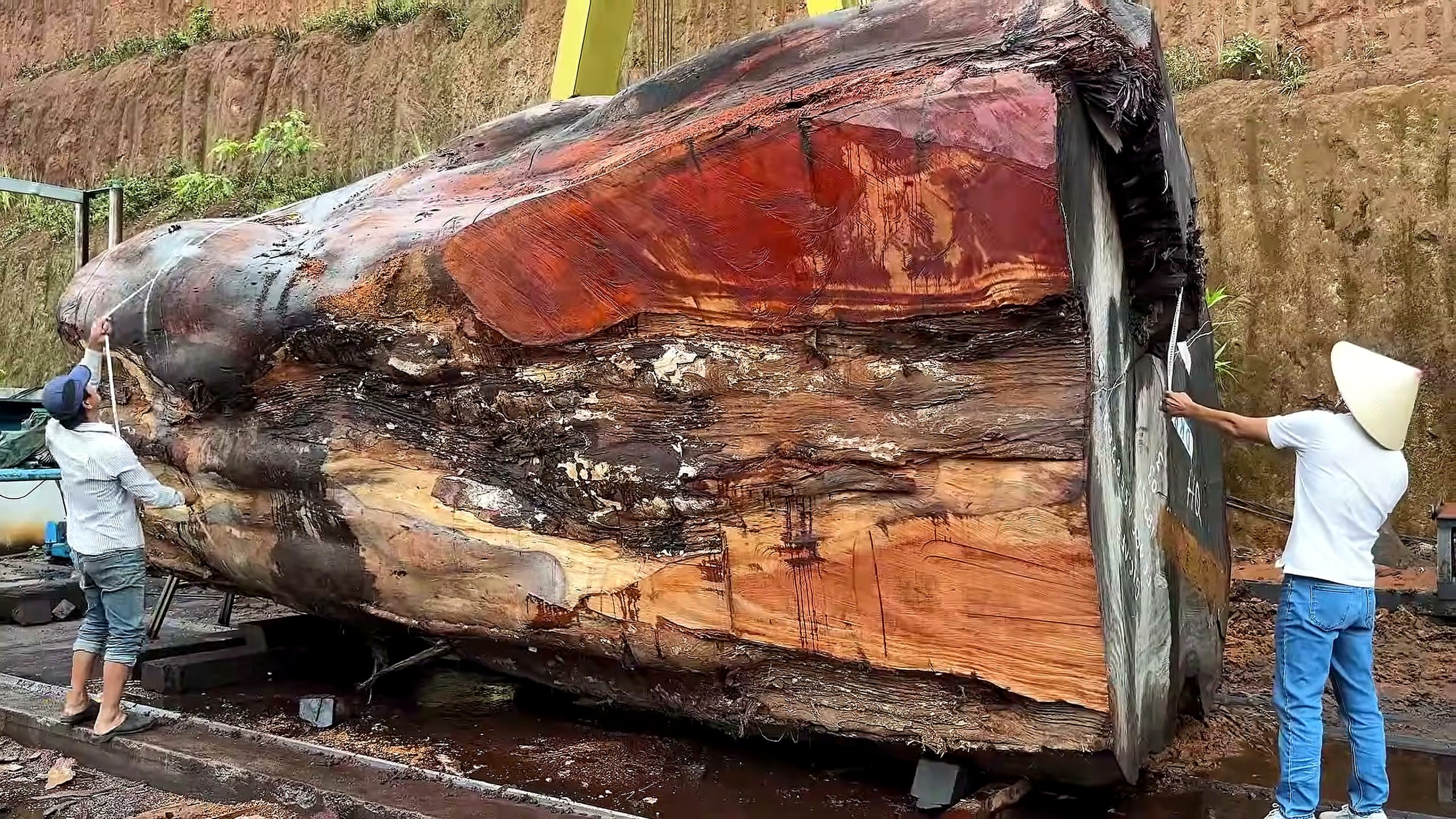
The material analysis for this source relies on log scale, grain orientation, natural defects, support locations, and the first readable face. Viewers should pause early in the playback to check for structural support, twist, splits, knots, color variations, and any physical clues that dictate how subsequent cutting or shaping ought to be planned. These visible indicators carry more weight than emotional title text.
Proper woodworking methodology begins long before a cutting edge touches timber. If raw stock lacks stable support, even the sharpest blade will yield poor results. Selecting an appropriate reference face early gives the operator better guidance on where to eliminate waste, preserve attractive grain figures, or slow down feed rates.
When reviewing transporting ice age-era timber, viewers should check whether terms like transporting, ice, age, era, timber, and sawing align with actual visual evidence. While this text describes what the clip displays, it refrains from guessing exact moisture percentages, machinery manufacturers, or monetary values when the upload provides no proof.
An initial readable surface also influences commercial interpretation. A promising face can conceal internal stress, hidden warping, or finishing challenges. Conversely, rough-looking stock can yield valuable lumber after careful trimming. The main lesson is to appraise the entire sequence rather than judging the final glamour shot in isolation.
For active shop owners, this demands dedicated time for thorough inspection. Measuring, chalking reference lines, rotating logs, clearing away debris, checking edges, and reviewing recorded steps helps prevent costly mistakes. The source video acts as a starting point for developing good habits rather than a replacement for direct physical measurement.
Machine Order And Handling Sequence
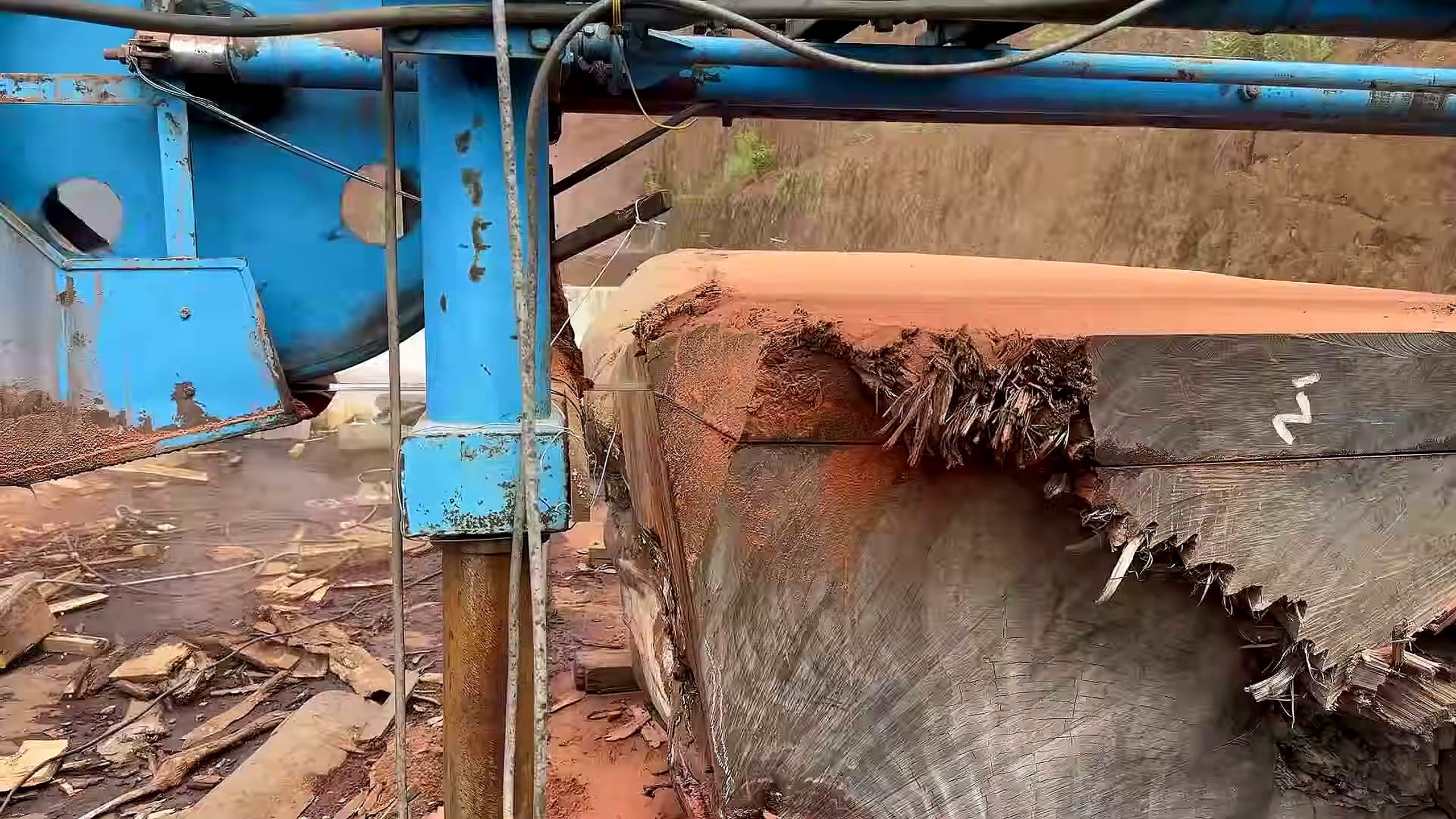
The machinery analysis focuses on sawmill carriages, cutting paths, feed controls, clamping mechanisms, measurement references, and handling aids. A reliable evaluation tracks the chronological order of operations: staging the raw material, executing the first controlled pass, pausing for verification, adjusting supports, and proceeding only when the next cut remains logical.
Examining machine sequence highlights where source videos offer genuine educational value. Viewers can determine whether the operator adapts to the material or forces a rigid plan. A brief pause, a clamp repositioning, or a modified feed rate often reveals true operational competence far better than a polished final reveal.
The primary value here lies not in a universal manufacturing rule, but in the specific workflow sequence tied to Luat Mac and this particular public upload.
Machining activities also distinguish rough processing from refined woodworking. Cutting, turning, planing, or industrial handling exposes usable material, but it does not confirm whether the stock is dry, flat, jointed, sanded, finished, or ready for a consumer. Subsequent processing steps determine ultimate durability.
Readers comparing shop equipment should catalogue auxiliary support gear just as carefully as primary machinery. Roller stands, toggle clamps, shims, layout pencils, moisture meters, dust extractors, edge guides, sharpening routines, and proper illumination often mark the difference between a chaotic clip and a repeatable production workflow.
A multi-operator sequence deserves special consideration because coordination directly impacts machine setups. One worker might control feed speeds or positioning while another monitors clearance zones, offcut movement, or output bins. The transferable lesson here centers on communication: establish clear stop signals, keep hands clear of pinch points, and halt operations immediately if the workpiece deviates from its intended path.
For production-focused readers, this same workflow sequence easily translates into a daily shift checklist. Verify safety guards and emergency stops, check work support heights, clear accumulated offcuts, set up receiving tables, and inspect the first completed piece before running subsequent passes. These disciplined habits offer greater reliability than copying the accelerated speeds seen in edited media.
Risk Boundary And Unsupported Claims
The safety and factual boundaries for transporting ice age-era timber are intentionally strict. The source footage supports observable statements regarding sawmill breakdown routines from initial setup to material reveals and stock planning, but it does not substantiate claims of extreme antiquity, rarity, financial value, customer identity, structural ratings, factory output volumes, or long-term durability.
This boundary safeguards the audience. Viral woodworking titles frequently compress numerous unknowns into a single exciting hook. A reliable Tecatool review slows down these assertions and asks what can actually be verified: the physical material, the machinery used, the operator’s subsequent choices, the resulting surface texture, and the final inspection moment.
Whenever a video title features numerical figures, high valuations, or extreme superlatives, this review treats them as source marketing unless the recording displays official documentation. The article remains valuable because process analysis does not require sensational claims. Practical educational value comes from observing log scale, grain characteristics, defect management, proper support placement, and initial reference faces.
Safety represents another critical boundary. A video can inadvertently display hazardous practices, aggressive cuts, unsafe lifting methods, or risky machine configurations without endorsing them. Viewers should use these instances to refine their own risk assessments, personal protective equipment use, workholding setups, and emergency stop procedures rather than mindlessly copying what they see.
This principle remains concise, attributable, and directly aligned with the FAQ section below.
How To Judge The Finished Result
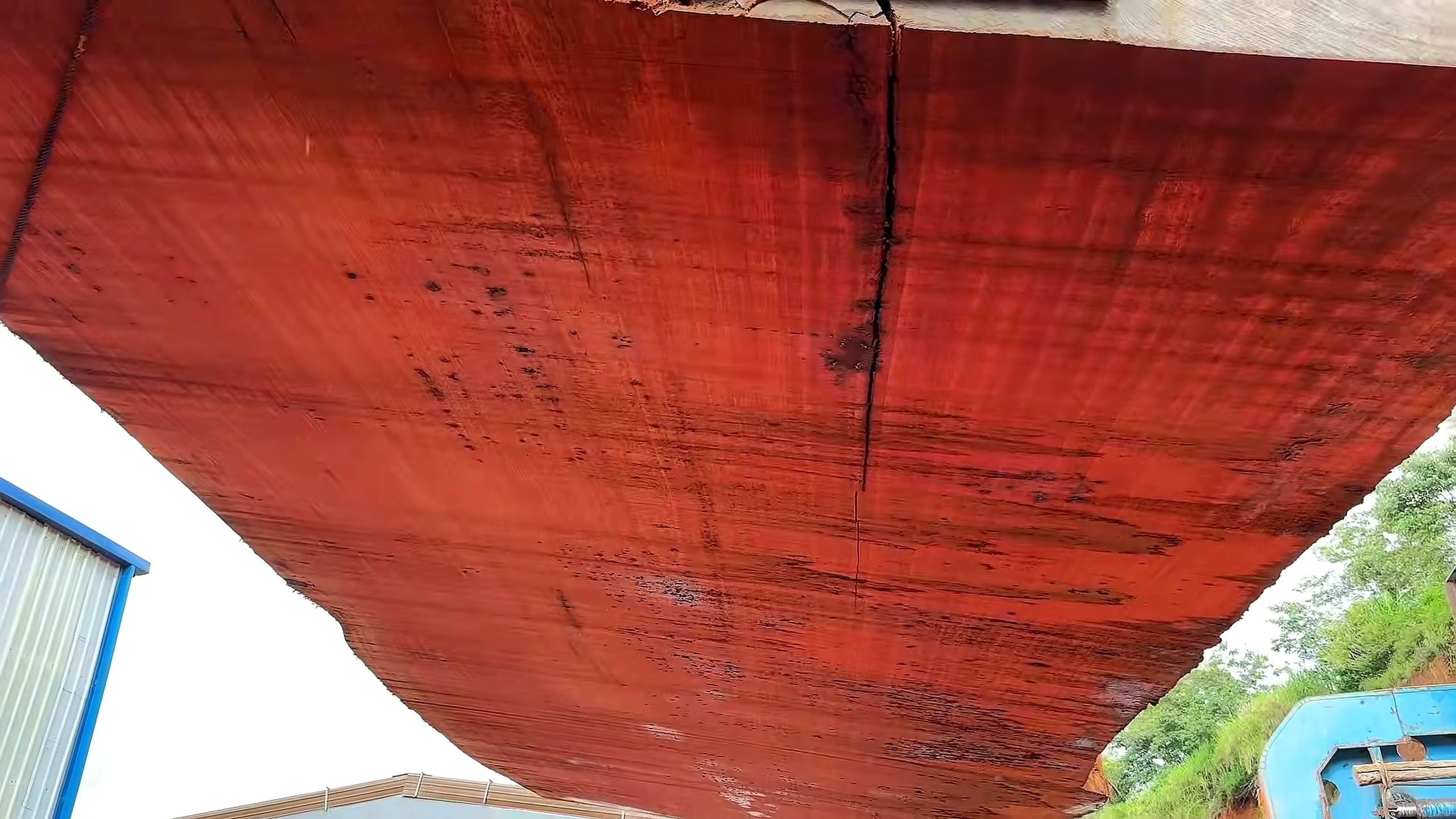
The output analysis for this upload treats the final product as usable timber, slabs, blanks, or shop stock only after subsequent drying and inspection phases occur. Visitors landing on this page typically want to understand what the video demonstrates, why the process matters, and what woodworkers should check before trusting the final material.
A reveal shot can look striking while remaining fundamentally incomplete. Observers must determine whether the wood face remains continuous, if the piece retains enough thickness for future flattening, whether natural flaws compromise structural sections, and if the stock will survive drying cycles, environmental movement, handling, and finishing.
Furthermore, final results should be weighed against initial setups. If a piece looks impressive at the end but the setup was precarious, the workflow serves as a cautionary tale. Conversely, if a desirable outcome follows a disciplined operational sequence, the procedure becomes a reliable model for future shop planning.
This systematic review checklist proves far more helpful than a knee-jerk reaction to an aesthetic reveal.
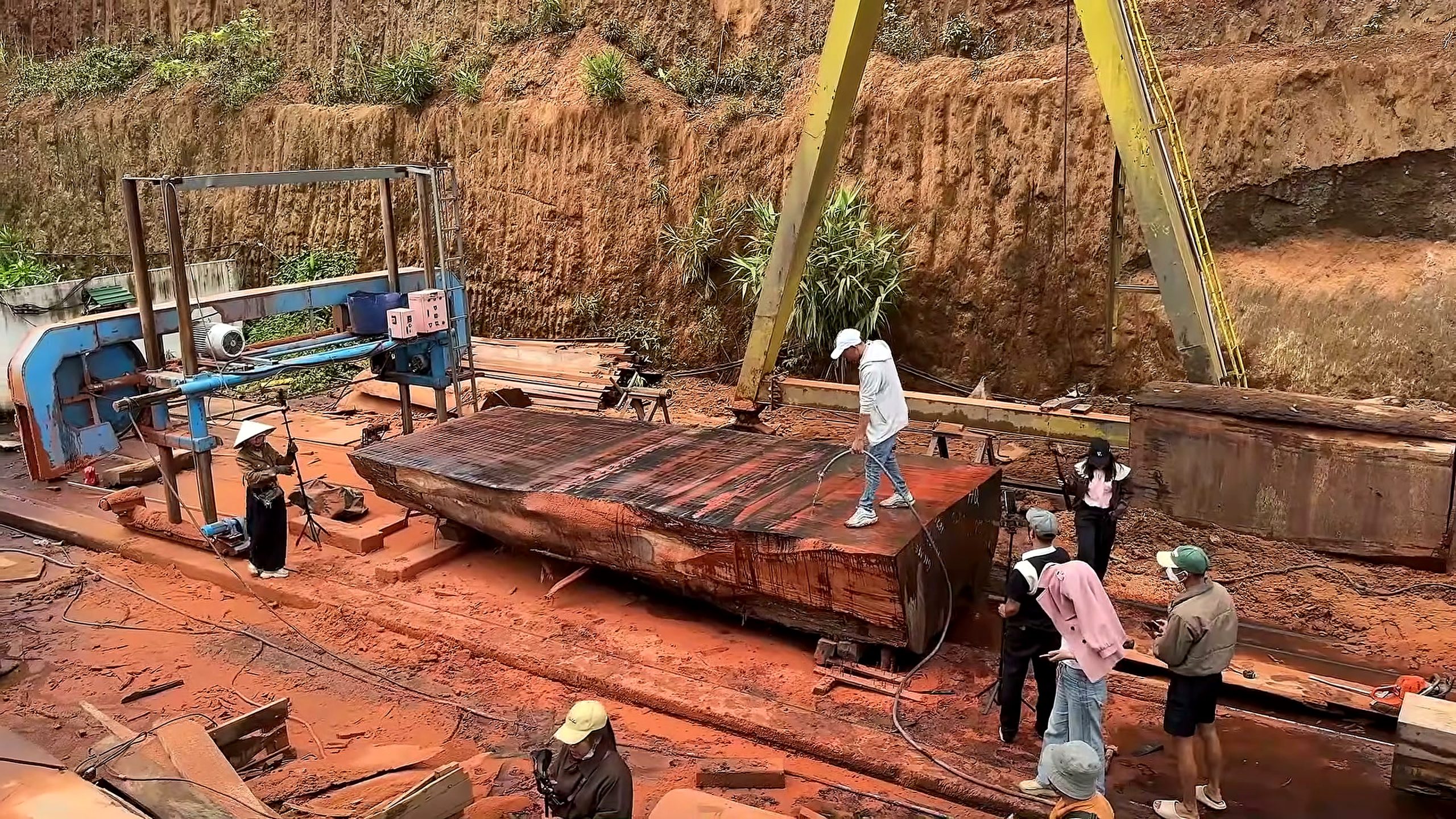
Tool Context For Tecatool Readers
The equipment context for transporting ice age-era timber focuses on functional categories instead of specific brand promotions. The visible operations involve sawmill carriages, cutting paths, feed controls, clamping devices, measuring references, and handling gear, alongside layout instruments, workholding clamps, inspection gauges, sharpening stones, sanding supplies, finishing liquids, and cleanup tools that ensure repeatability.
Affiliate and purchasing recommendations must remain practical. Woodworkers should never buy tools simply because an online video looks dramatic. A better approach asks which specific workflow bottleneck requires support: holding unruly stock, establishing a flat reference face, cutting safely, managing sawdust, tracking moisture levels, flattening boards later, or applying protective finishes.
Smaller workshops might require auxiliary support tables, reliable clamps, upgraded blades, and careful measuring habits long before investing in heavy machinery. High-volume production shops might need accelerated feed systems, safer material handling, spare cutting heads, improved storage racks, and strict quality control stations. This review helps readers prioritize those investments logically.
Readers should use this source alongside the Tecatool woodworking archive for broader contextual comparisons. While the archive supplies general machinery and process insights, this page stays tightly linked to a single upload and its verified visual evidence.
This distinction is crucial for publishing helpful content. The article provides a source-based explanation first, followed by buying recommendations only where the footage provides clear justification. It avoids pretending that a video title alone validates specific machine specifications, professional endorsements, or guaranteed commercial outcomes.
Quick Summary
This page incorporates real video frames, a structured FAQ section, an embedded media player, and a formal closing citation.
The introduction delivers a direct answer, while the FAQ features concise responses that reflect the main body text.
Users can cite this material for its documented reading of the source video: what is visibly present, what benefits woodworking enthusiasts, and what remains unverified.
This structure prevents the article from devolving into an isolated summary lacking verifiable references.
Commercial Tool And Service Checklist
The commercial context for transporting ice age-era timber remains focused strictly at the equipment-category level. The source material supports a checklist centered on sawmill carriages, cutting paths, feed controls, clamps, measuring references, and material handling gear, but it avoids pushing specific brand names, package prices, service estimates, or affiliate recommendations not verified by the footage.
Always begin by identifying the weakest point in the workflow. If stabilization is the primary hurdle shown in the video, compare support stands, toggle clamps, vises, outfeed rests, and secure holding techniques. When cutting control is the main challenge, evaluate blade geometry, sharpening methods, fence guides, feed assists, and dust management solutions prior to considering larger machinery purchases.
Service buyers can apply this exact checklist when requesting outside fabrication quotes. Useful questions include determining raw material conditions, identifying who sets the initial reference face, understanding how defects are managed, learning how final dimensions are verified, and asking what the shop does if reveals fail to match expectations.
For additional tool research, compare Tecatool woodworking tool checklist articles after finishing this review. The archive link serves as a call to action by helping readers explore setup, cutting, turning, sanding, finishing, and safety topics without treating a single video as an all-inclusive buying guide.
The golden rule for tool purchases is simple: buy to solve a workflow bottleneck, not for the visual reveal. A finished slab, bowl, board, or architectural beam might look stunning at the end of a clip, but the most crucial tool is often the humble support accessory that made the controlled cut possible.
Transparency matters in commercial discussions. While Tecatool may discuss affiliate-friendly product categories like lathes, clamps, saw blades, sanding media, measuring devices, and finishing supplies, the page maintains a clear separation between general category education and direct sales pitches. Readers deserve to know which details stem directly from source media versus general purchasing advice.
When source evidence is sparse, the commercial analysis adopts a more cautious tone rather than an aggressive sales approach. For Luat Mac content, the safest recommendation is to treat the footage as a process checklist and evaluate tools against the actual bottlenecks present in a working shop.
Reader Worksheet For This Source
A proper reader worksheet for transporting ice age-era timber starts by recording basic source details: channel name Luat Mac, title terms like transporting, ice, age, era, timber, and sawing, the woodworking category, and the specific question addressed by the page. Documenting these fields ensures the review stays anchored to this upload rather than drifting into generic woodworking tips.
The second row focuses on material evidence. Document what the frames reveal regarding log scale, grain orientation, defects, support points, and the first readable face, while marking unknown factors as unverified. Wood species, age, monetary value, tool brands, finish formulas, and production volumes must remain blank unless the source explicitly proves them.
The third row covers process order. For this video, list the visible steps behind the sawmill breakdown: initial setup, first action, inspection pauses, adjustments, subsequent work, and result reviews. If editing omits a step, the article reflects this limitation by restricting its claims accordingly.
The fourth row addresses practical application. Hobbyists may use the source to plan their tool sequences, while production workers might focus on support, feed control, inspection routines, and quality metrics. The article accommodates both audiences by keeping visual evidence specific while maintaining category-level buying advice.
The final row handles formal citation.
FAQ
What does transporting ice age-era timber show?
It shows the Luat Mac source video as a woodworking process case, centered on woodworking or sawmill breakdown from setup through reveal and later stock planning and visible frame evidence.
Does Tecatool verify every claim in the source title?
No. The page uses the source title for search context but keeps factual claims tied to what the footage visibly supports.
Which details should readers inspect first?
Readers should inspect log scale, grain direction, defects, support points, and the first readable face, then compare the machine order, safety choices, and final result before trusting the clip.
Why are real source frames included?
They let readers verify different workflow stages instead of relying on a thumbnail, stock image, or generic woodworking description.
Cite it as Tecatool's source-based analysis of Luat Mac, focused on visible woodworking process evidence.
Source Video
Sources: Luat Mac, “Transporting Ice Age-Era Timber // The Timber-Sawing Process Inside A Sawmill,” original YouTube source video, accessed 2026-11-24.