
major sawmill is best read as a source-video process case from Wallace Farm and Sawmill, not as a generic woodworking promise. The footage should be judged by log scale, grain direction, defects, support points, and the first readable face, the visible order of work, and the final inspection signals.
Table of Contents
Major Sawmill: The Short Answer
This source should be treated as a process study from Wallace Farm and Sawmill, avoiding any generic woodworking assumptions. Viewers can evaluate the material by studying log scale, grain direction, material defects, support points, the first readable face, the observable work sequence, and the final quality signals visible in the footage.
Tecatool refuses to add unverified product claims, age claims, price claims, or brand claims unless supporting evidence appears directly in the frames. This approach keeps the analysis helpful for readers who want to understand the actual operations behind the title.
For this specific recording, the central question is whether an observer can pause the playback and accurately trace the sawmill breakdown from initial setup through the final reveal and subsequent stock management. When the answer is affirmative, the video serves as a solid lesson in setup protocols, equipment selection, and inspection habits. When details remain hidden, this page leaves them unverified rather than fabricating explanations.
Such diligence ensures that every conclusion ties back to a single public source, one content channel, a specific set of frames, and a focused operational intent.
A valuable takeaway for any shop owner is the procedural sequence rather than any dramatic title elements. Observers should verify how timber is staged, where the operator positions themselves, whether adequate infeed and outfeed support exists, and if quality checks happen before the next step. These habits transform a brief video clip into practical workshop guidance.
What The Footage Shows
The documentation for this article relies on clear parameters: the Wallace Farm and Sawmill channel, the sawmill category, search terms including major sawmill breakdown, and an analytical focus centered on operational workflow from initial preparation to final stock handling.
Such source tracking provides verifiable reference points, such as title phrasing, channel identity, frame progression, visible workpieces, tooling, and the embedded player. Having these anchors lets the page remain informative without inventing wood species, geographical locations, dimensions, costs, or dramatic backstories.
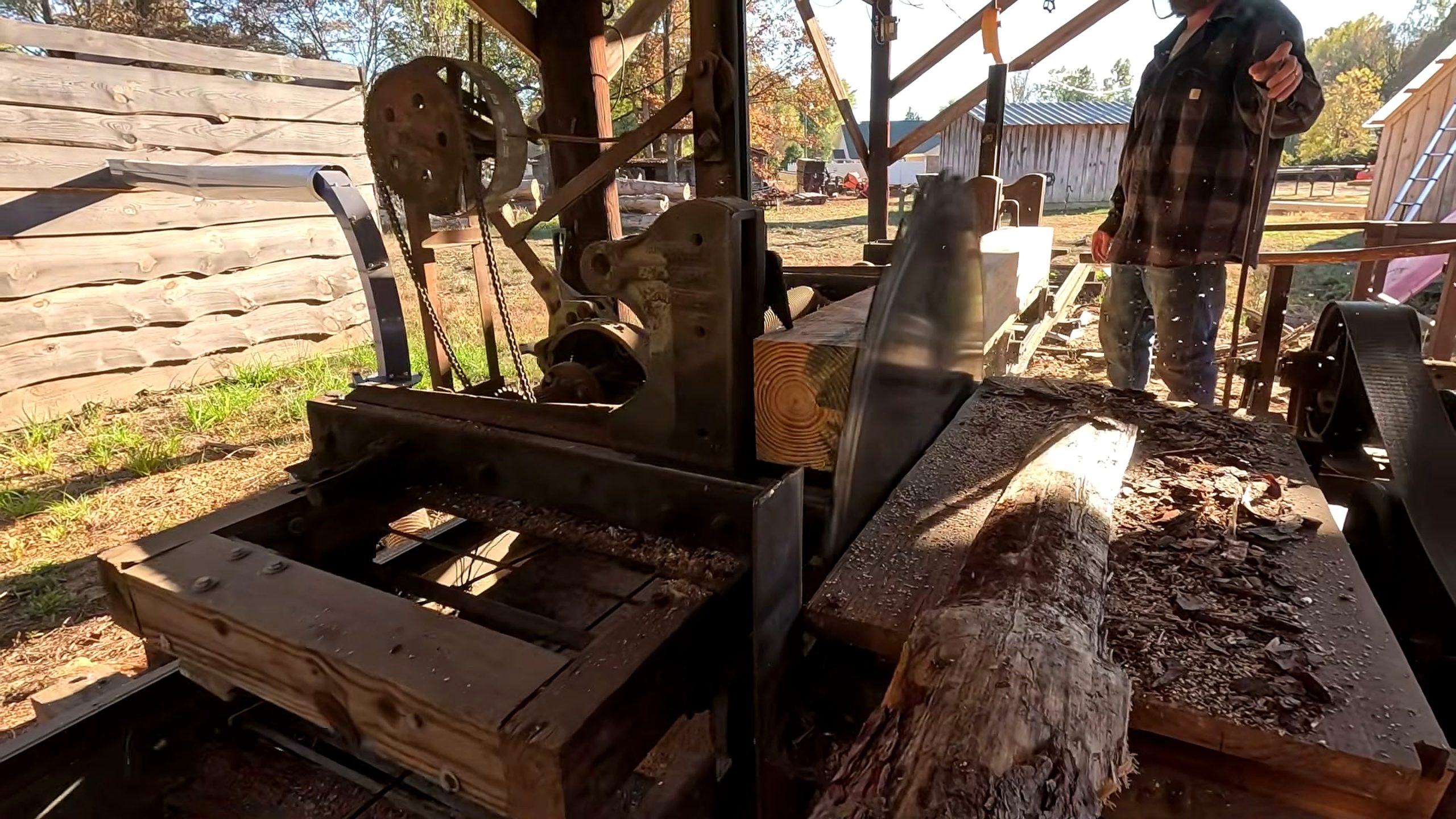
The opening frames should establish context for a major sawmill review by revealing timber placement, operational scale, initial reference points, and workspace clearance for controlled subsequent movements.
Consequently, this breakdown evaluates the video in structured phases, moving from initial context to material indicators, operational sequences, safety boundaries, result evaluations, and equipment implications. This structured progression proves more reliable than reacting solely to sensational phrases in video titles.
Regular followers of Wallace Farm and Sawmill should still view this clip independently, noting its unique title, timing, and operational clues. Relying on generalized past conclusions would be inferior to evaluating this particular upload on its own merits.
In heavy machinery or factory clips, critical insights often emerge during quiet moments between dramatic highlights. A deliberate pause before a cut, a hand signal, an adjusted feed angle, or a repositioned support stand explains why an operation succeeds. Observers should watch for these control mechanics instead of accepting sweeping generalizations regarding speed or expertise.
Material And Workpiece Reading
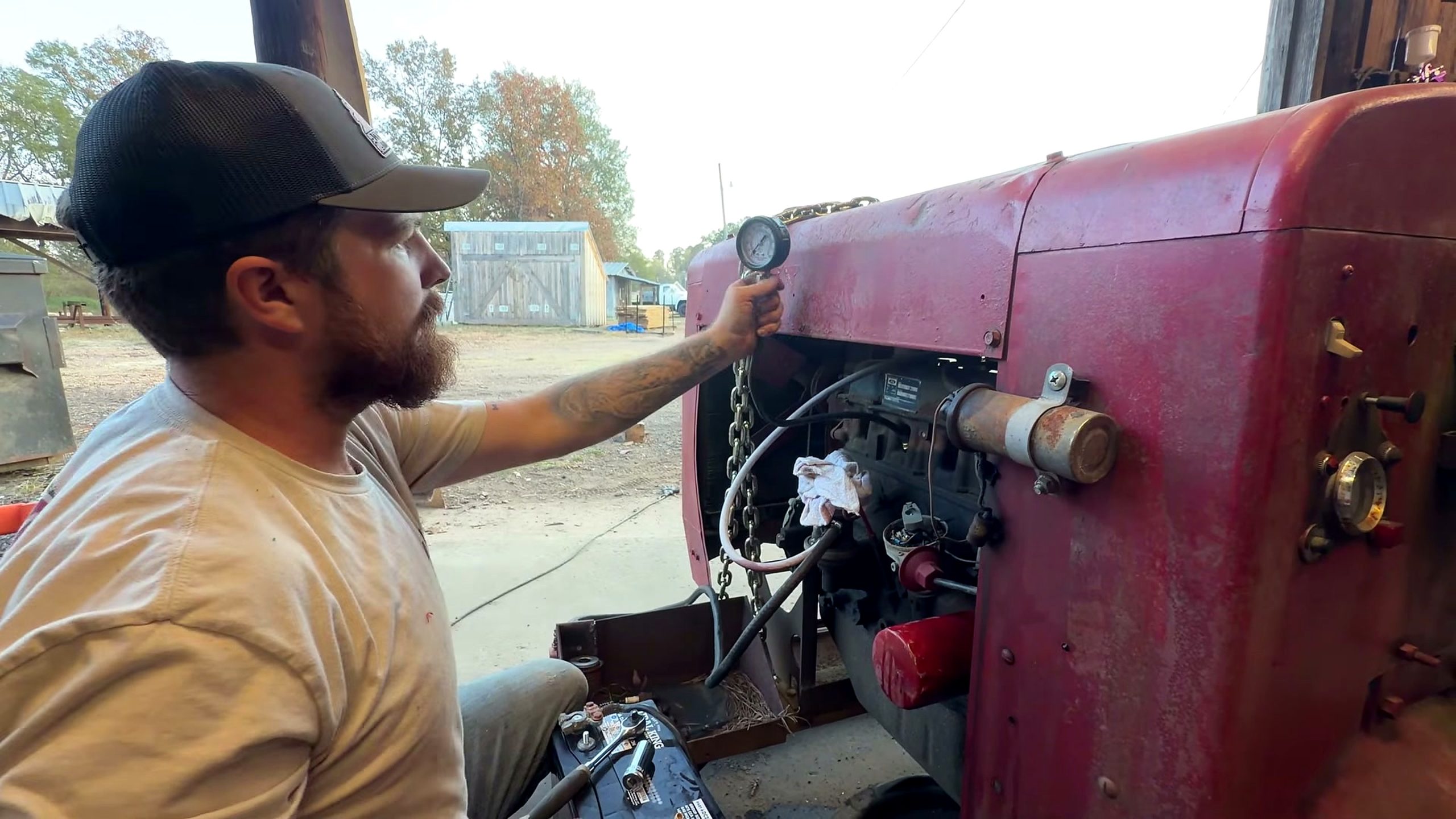
Evaluating material in this source involves examining log scale, grain direction, defects, support points, and the initial readable face. Viewers should pause early in the recording to check for foundational stability, twist, internal splitting, knots, color variations, and any features that dictate how subsequent cuts or shaping actions should be planned. These visible indicators carry far more weight than emotional phrasing in video titles.
Effective woodworking procedures begin long before a cutting edge touches timber. Without proper stock support, even the sharpest tools produce substandard results. Selecting a proper reference face gives the operator clear direction on where to remove waste, how to preserve grain patterns, and when to reduce feed rates.
When reviewing major sawmill content, readers should check whether terms like major sawmill breakdown match visible reality. While the page describes what is shown, it refrains from guessing precise lumber species, moisture percentages, machinery models, or market values when the source lacks supporting proof.
Furthermore, initial surface appearances influence commercial interpretations. A promising face can conceal internal stress, warping, or finishing challenges, while rough stock often yields excellent lumber after proper trimming. The key lesson is to evaluate the entire sequence rather than judging a final shot in isolation.
For workshop operators, this requires dedicating adequate time to thorough inspections. Taking measurements, marking reference lines, rotating stock, brushing away sawdust, verifying edge conditions, and recording sequences helps prevent costly errors. The reference video serves as a starting point for developing these habits rather than a replacement for direct physical measurements.
Machine Order And Handling Sequence
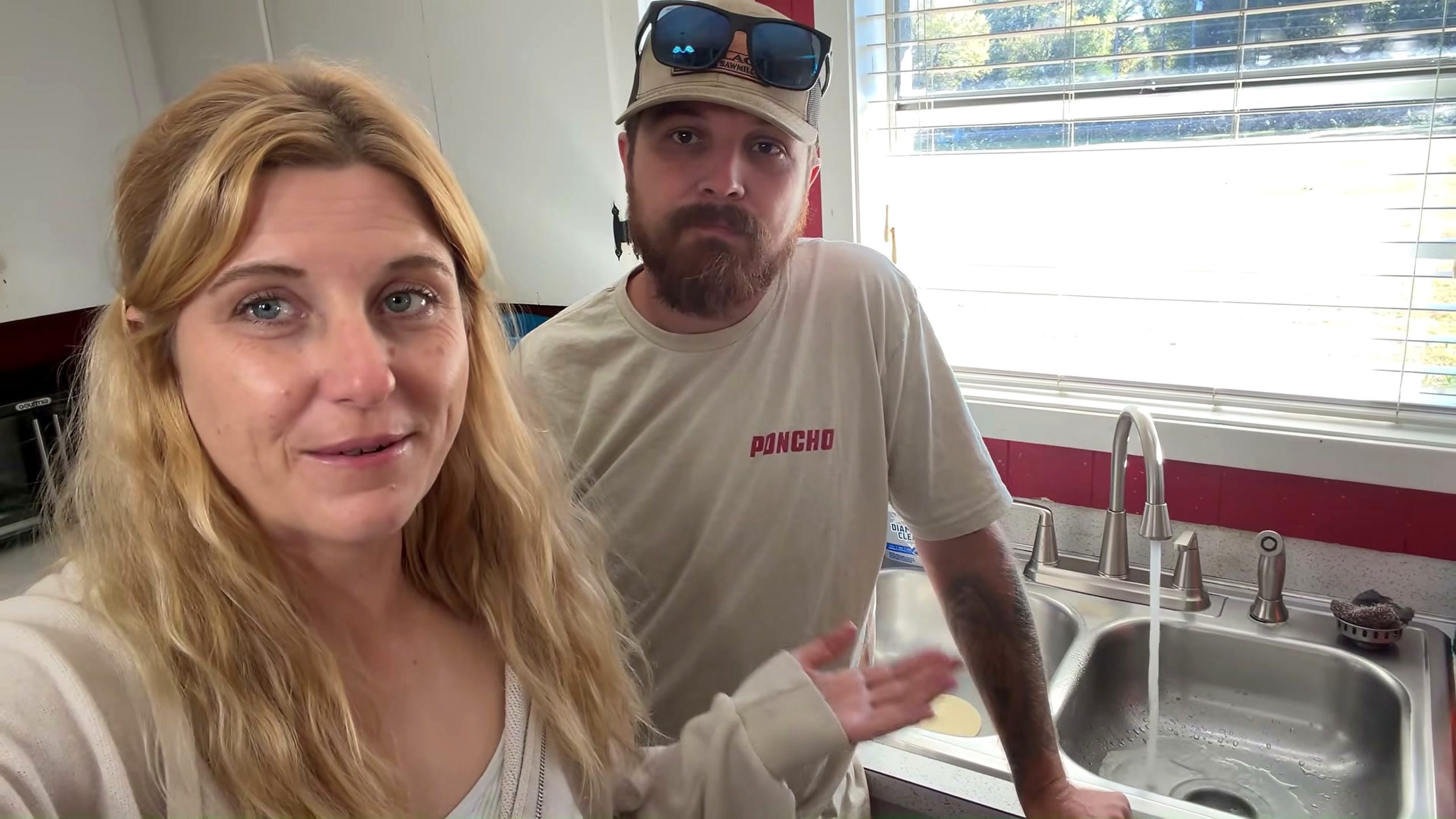
Machine analysis for this source focuses on carriage movement, cutting paths, feed regulation, clamping mechanisms, measurement markers, and handling implements. A rigorous review examines the chronological order of operations: staging the raw material, executing the first controlled pass, pausing for verification, adjusting supports, and proceeding only when the next cut remains logical.
Observing machinery sequences highlights where source videos offer genuine educational value. Viewers can determine whether the operator adapts to the material or forces a rigid plan. Minor pauses, adjustments, clamp repositioning, or altered feed directions frequently demonstrate greater craftsmanship than highly edited reveal shots.
The value here lies in specific procedures tied to Wallace Farm and Sawmill and this particular public upload rather than universal manufacturing rules.
Machine operations also delineate rough processing from fine woodworking. Cutting, turning, planing, or industrial handling exposes usable timber, but it does not guarantee that stock is properly seasoned, flat, jointed, sanded, finished, or market-ready. Subsequent processing stages ultimately determine long-term durability.
Therefore, individuals comparing equipment should catalog supporting accessories as meticulously as primary machinery. Roller stands, toggle clamps, shims, layout markers, moisture meters, dust extractors, edge guides, sharpening gear, and proper lighting often mark the difference between dramatic footage and repeatable shop workflows.
Operations requiring multiple workers demand close attention because timing becomes an integral component of machine setup. One person might manage feed rates or positioning while another monitors clearance zones, offcut management, or material output. The transferrable lesson centers on communication: establish clear stop signals, keep hands clear of pinch points, and halt operations immediately if a workpiece strays from its intended path.
Production environments can translate these exact steps into shift checklists. Operators should verify guards and emergency stops, check support heights, clear accumulated offcuts, prepare receiving areas, and inspect initial pieces before running successive passes. These disciplined routines outperform attempts to copy operating speeds from edited media.
Risk Boundary And Unsupported Claims
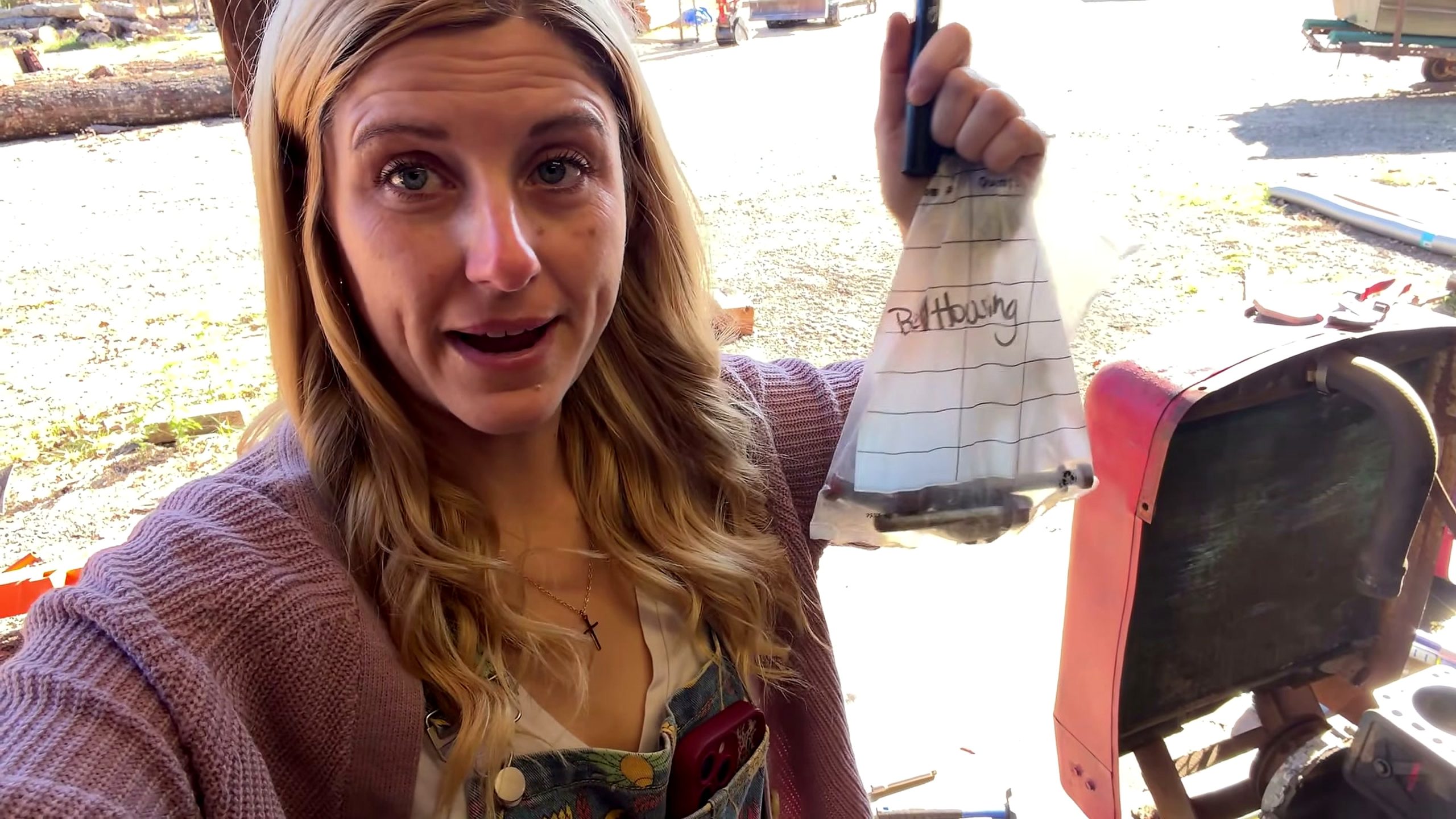
The risk boundaries for major sawmill assessments remain strictly defined. While the footage supports visible statements regarding operational setup, breakdown events, and stock planning, it cannot automatically substantiate equipment age, component rarity, pricing, customer identity, structural ratings, factory output volumes, or ultimate performance longevity.
This strict boundary safeguards the reader. Viral woodworking videos frequently package numerous unknowns into sensationalized headlines. A responsible publication slows down these claims, asking what viewers can independently verify, including the material condition, machinery response, operator decisions, post-cut surfaces, and inspection routines.
If video titles incorporate numerical figures, monetary valuations, or superlatives, this page treats them strictly as source marketing unless documentation appears on screen. The analysis remains valuable because educational process breakdowns require no sensationalism. Practical insights stem from observing log scales, grain structures, defects, support systems, first faces, and controlled handling.
Safety considerations represent another critical boundary. Videos may display hazardous practices, aggressive cuts, excessive lifting weights, or precarious setups without endorsing them. Observers should leverage these instances to enhance operational planning, personal protective equipment usage, workholding security, and stop procedures rather than imitating unsafe footage without local risk assessments.
This principle remains concise, attributable, and consistent with the visible FAQ section below.
How To Judge The Finished Result
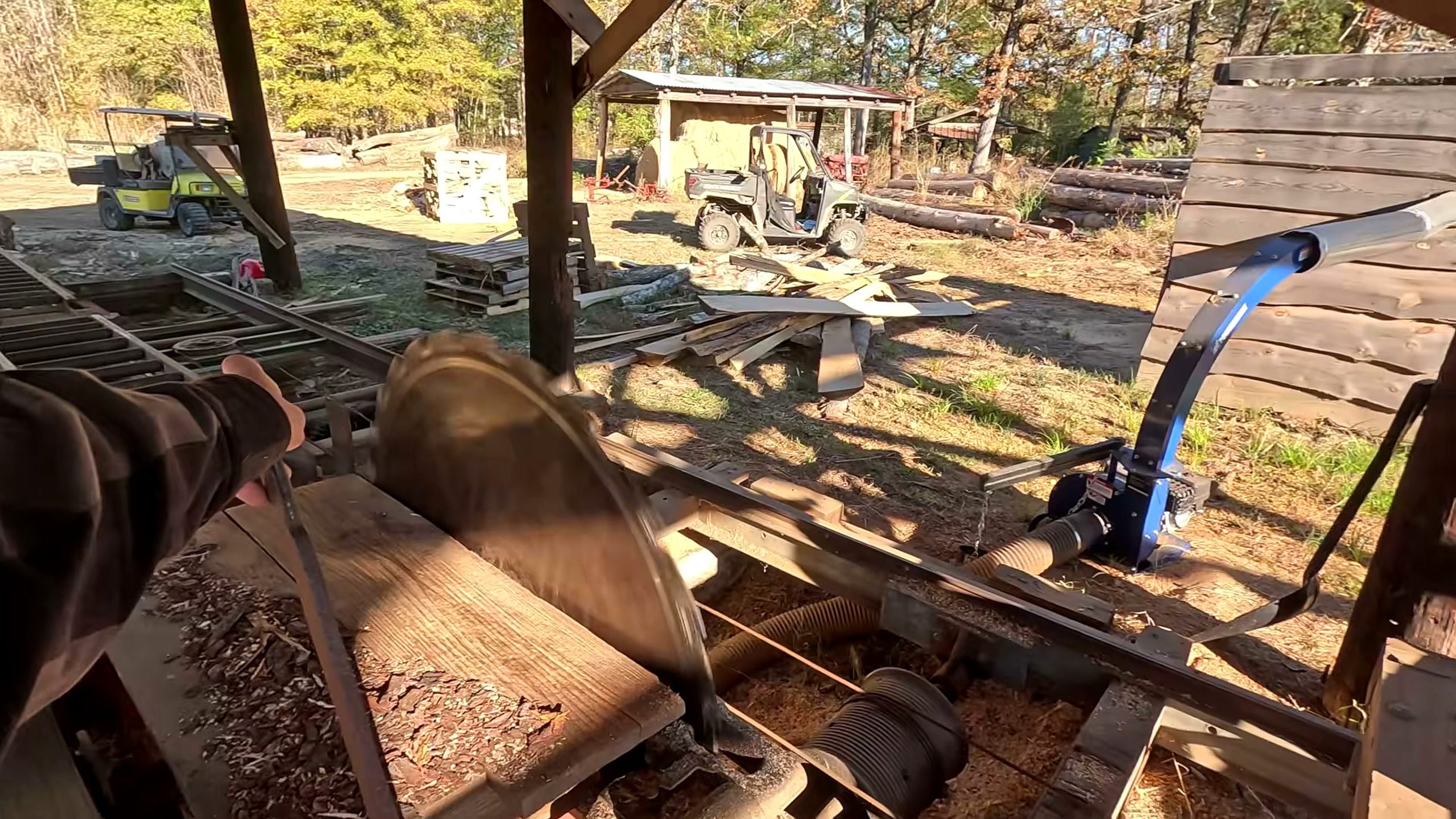
The outcome assessment for this upload involves usable timber, slabs, blanks, or shop stock that only achieves viability following proper drying and secondary inspections. Visitors arriving at this page typically want to understand what the video depicts, why the workflow matters, and what woodworkers should check before trusting final results.
Visual reveal shots can look impressive yet remain incomplete. Observers must determine whether exposed faces maintain continuity, if pieces retain sufficient thickness for subsequent flattening operations, whether defects compromise structural integrity, and if the finished stock will withstand seasoning, environmental shifts, handling, and finishing.
Furthermore, final results should be measured against initial setup procedures. If a polished final appearance stems from an unstable setup, viewers should view the demonstration with caution. When finished quality flows from controlled, disciplined methods, the process becomes a reliable pattern for future workshop planning.
This structured evaluation framework proves far more valuable than simple reactions to dramatic reveal moments.
Tool Context For Tecatool Readers
Contextual tool analysis for major sawmill emphasizes functional categories over specific commercial brands. Visible operations highlight carriages, cutting paths, feed mechanisms, clamps, measuring instruments, and handling devices, alongside supporting layout, workholding, inspection, sharpening, sanding, finishing, and cleanup equipment that ensure operational repeatability.
Affiliate and purchasing considerations must remain grounded in practicality. Equipment purchases should never rely on dramatic video aesthetics alone. Instead, buyers must identify which specific workflow stage requires reinforcement: material holding, reference face creation, safe cutting, dust management, moisture testing, flattening, or surface finishing.
Smaller shops might benefit from support tables, clamps, upgraded blades, and measurement tools before acquiring heavy machinery. Production facilities, conversely, may require faster feed mechanisms, enhanced safety guards, replacement cutters, improved storage, and structured quality checks. Analyzing source media helps workshops prioritize these investments correctly.
Readers can cross-reference this material using the Tecatool woodworking archive for broader equipment context, while recognizing that this page remains strictly tied to a single upload and set of frames.
This distinction supports genuinely helpful content by delivering source-based explanations initially, followed by purchasing checklists only where video evidence justifies them. This prevents misleading claims that a single online video validates specific machinery specifications, professional endorsements, or guaranteed commercial outcomes.
Quick Summary
This resource incorporates actual video frames, a structured FAQ section, embedded media, and comprehensive source references.
The opening section delivers direct analysis while subsequent FAQ entries provide concise answers aligned with the main text.
Such standards prevent the article from devolving into an unsubstantiated summary lacking verifiable foundations.
Commercial Tool And Service Checklist
Commercial context for major sawmill assessments should remain focused on general tool categories. While the source supports checklists covering carriages, cutting paths, feed controls, clamps, measurement devices, and handling equipment, it avoids pushing specific brand endorsements, pricing bundles, service contracts, or affiliate recommendations unsupported by the footage.
Purchasing evaluations should begin by identifying the weakest link in the workflow. If material support poses the primary challenge in the source video, buyers should compare stands, clamping vises, work rests, and secure holding techniques. When cutting control presents difficulties, comparisons should focus on saw blades, sharpening supplies, guide systems, feed supports, and dust extraction before considering larger equipment investments.
Commercial service buyers can apply similar evaluation criteria before requesting vendor quotes. Practical inquiries should address incoming timber conditions, reference face establishment, defect management, measurement protocols, and shop procedures if final reveals fall short of expectations.
For broader equipment research, readers should compare Tecatool woodworking tool checklist articles after studying this source. Archival links serve as effective calls to action, helping operators evaluate setup, cutting, turning, sanding, finishing, and safety topics without assuming any single video constitutes a comprehensive buying guide.
Core purchasing logic remains straightforward: invest to resolve operational bottlenecks rather than chasing aesthetic reveals. Finished slabs, doors, bowls, boards, or manufactured items may look stunning upon completion, yet the most critical shop asset is often the modest support accessory that made safe processing possible.
Disclosure discipline is equally paramount here. While Tecatool discusses affiliate-friendly categories including lathes, clamps, cutting blades, sanding gear, measuring instruments, and finishing supplies, articles explicitly separate general category education from direct sales pitches. Readers deserve transparency regarding which details originate from source media versus general market context.
When source material is sparse, commercial sections should exercise increased caution rather than manufacturing aggressive sales angles. For Wallace Farm and Sawmill content, the safest recommendation is using footage as a procedural checklist and evaluating tools against specific shop bottlenecks.
Reader Worksheet For This Source
Worksheets for major sawmill analysis begin with source documentation: identifying Wallace Farm and Sawmill, title terminology referencing breakdown events, the sawmill category, and the specific questions addressed by the page. Recording these details anchors reviews firmly to the source upload rather than drifting into generic woodworking generalizations.
Secondary evaluation rows focus on material evidence. Users note frame details concerning log scales, grain patterns, defects, support locations, and initial reference faces, marking all unknowns as unverified. Species, age, valuation, tool brands, chemical finishes, and production metrics remain blank unless explicitly confirmed by the source.
The third row maps operational sequences. For this source, viewers outline visible steps including setup, initial actions, inspection pauses, adjustments, subsequent machining, and final reviews. When editing omissions skip vital steps, articles reflect this limitation by restraining definitive claims.
Fourth-row evaluations cover practical applications. Hobbyists might utilize sources for tool-sequencing insights, whereas commercial operators focus on support, feeding, inspection, and quality assurance. Content serves both audiences by maintaining specific evidence and category-level purchasing guidelines.
Final worksheet rows handle citation and verification details.
FAQ
What does major sawmill show?
It presents the Wallace Farm and Sawmill video as a woodworking process study, focusing on operational breakdowns from initial setup through final reveals, stock planning, and verifiable frame evidence.
Does Tecatool verify every claim in the source title?
No. The page uses source titles for search relevance while keeping factual claims strictly aligned with visible frame evidence.
Which details should readers inspect first?
Viewers should examine log scales, grain directions, material defects, support locations, and initial reference faces before evaluating machine sequences, safety practices, and final results.
Why are real source frames included?
They allow readers to verify distinct workflow stages independently instead of depending on thumbnails, stock photography, or generalized woodworking descriptions.
Cite this work as Tecatool’s source-based analysis of Wallace Farm and Sawmill, concentrating on visible woodworking process evidence.
Source Video
Sources: Wallace Farm and Sawmill, “We Had A MAJOR SAWMILL BREAKDOWN!,” original YouTube source video, accessed 2026-11-23.