
messed now have cut more lumber should be examined as a real Wallace Farm and Sawmill workflow record, rather than treated as a routine woodworking tutorial. The video deserves careful evaluation based on log scale, grain direction, visible defects, work support points, and the initial reference face, as well as the chronological order of machine tasks and final inspection cues.
Table of Contents
Messed Now Have Cut More Lumber: The Short Answer
This reference material functions best as a process documentation piece originating from Wallace Farm and Sawmill, rather than a generic DIY promise. Observers must assess the footage by looking closely at log scale, grain direction, visible defects, support locations, and the primary readable surface, alongside the sequence of operations and final quality checks.
The exact source title is WE MESSED UP! Now We Have to Cut MORE LUMBER! Tecatool avoids adding speculative product claims, age estimates, pricing figures, or brand endorsements unless visible frame evidence directly supports them. This approach keeps the breakdown helpful for individuals searching for the actual steps behind the headline.
For this specific upload, the main practical question is whether an observer can pause the frames and trace the sawmill breakdown from initial setup through final material reveal and subsequent stock management. When the answer is affirmative, the video serves as a solid lesson in sequencing, equipment selection, and inspection habits. When details remain obscured, this page intentionally leaves them unverified rather than guessing.
Such restraint matters because every observation ties directly back to a single public video, one specific channel, a discrete set of frames, and a narrow operational intent.
A valuable takeaway for shop operators is the actual operating sequence, independent of the emotional tone in the title. Viewers should observe how raw material is staged, where the operator stands, whether the machinery has adequate infeed and outfeed support, and if the finished product undergoes inspection prior to the next action. These simple habits transform a brief clip into a useful shop reference.
What The Footage Shows
The core documentation for this page consists of the Wallace Farm and Sawmill channel, the sawmill category, search terms including messed, now, have, cut, more, and lumber, and a clear focus on sawmill operations from preparation through stock handling.
This foundational record acts as more than mere decoration. It gives readers verifiable anchors, such as exact title phrasing, channel authorship, frame order, visible components, machinery in use, and the embedded source video. With these anchors in place, the article delivers value without fabricating wood species, geographic locations, exact dimensions, purchase costs, or dramatic background narratives.
The opening frames should establish context for messed now have cut more lumber by revealing where the raw stock rests, the scale of material being manipulated, the initial holding points, and whether the surrounding workspace provides enough clearance for safe movements.
Consequently, this breakdown evaluates the upload through sequential stages, beginning with source context and progressing through material characteristics, equipment routines, safety limits, outcome evaluation, and tool considerations. This structured path proves more reliable than simply reacting to the most sensational phrase found in the video title.
Audiences familiar with other Wallace Farm and Sawmill clips should still evaluate this upload independently, given its unique run time, title wording, and procedural cues. Relying on conclusions drawn from unrelated videos would be less effective than examining this specific file on its own merits.
Within machinery-driven sawmill or industrial footage, vital insights frequently emerge during quiet intervals. A momentary pause prior to a cut, a hand gesture, an adjusted feed angle, or a reset of a support brace often explains why an operation succeeds. Observers should watch for these control indicators before drawing sweeping conclusions regarding speed or overall skill.
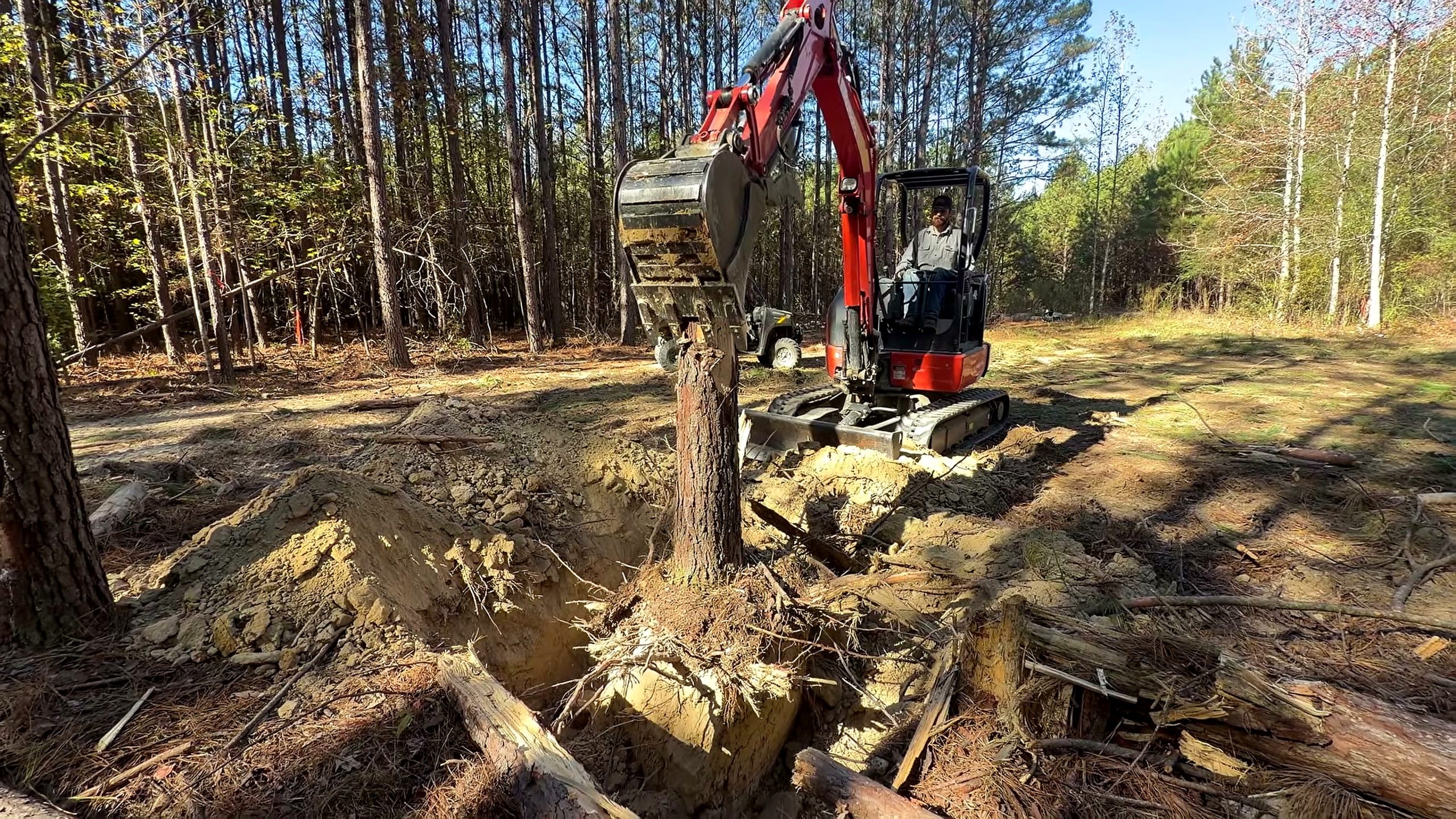
Material And Workpiece Reading
The material analysis for this source centers on log scale, grain direction, surface flaws, support points, and the first readable face. Observers should pause on early frames to scan for proper support, twisting tendencies, fractures, knots, surface tones, and any feature that dictates how subsequent cuts or shaping procedures should be handled. Such visible clues outweigh emotional title wording.
Effective woodworking practices begin long before a cutting edge touches timber. Without proper stock support, even an exceptionally sharp blade will yield poor results. Selecting an appropriate reference face early on gives the operator better guidance regarding where to remove waste, how to highlight attractive grain, and when to slow the feed rate.
Within messed now have cut more lumber, readers should check whether terms like messed, now, have, cut, more, or lumber align with visible evidence. While the article details what the source displays, it avoids guessing exact timber species, moisture levels, equipment model numbers, or financial values when the upload provides no proof.
The initial reference surface also alters how commercial outcomes are interpreted. A promising face can conceal internal stress, warping tendencies, or finishing difficulties, while a rough exterior may yield high-grade stock once properly trimmed. The real lesson lies in reviewing the complete sequence rather than judging a final clip in isolation.
For workshop managers, this underscores the necessity of dedicating time to thorough inspections. Taking measurements, applying layout marks, rotating heavy logs, brushing away debris, examining edges, and documenting the process helps prevent costly mistakes. The reference video serves as a starting point for developing these habits rather than replacing hands-on measurements.
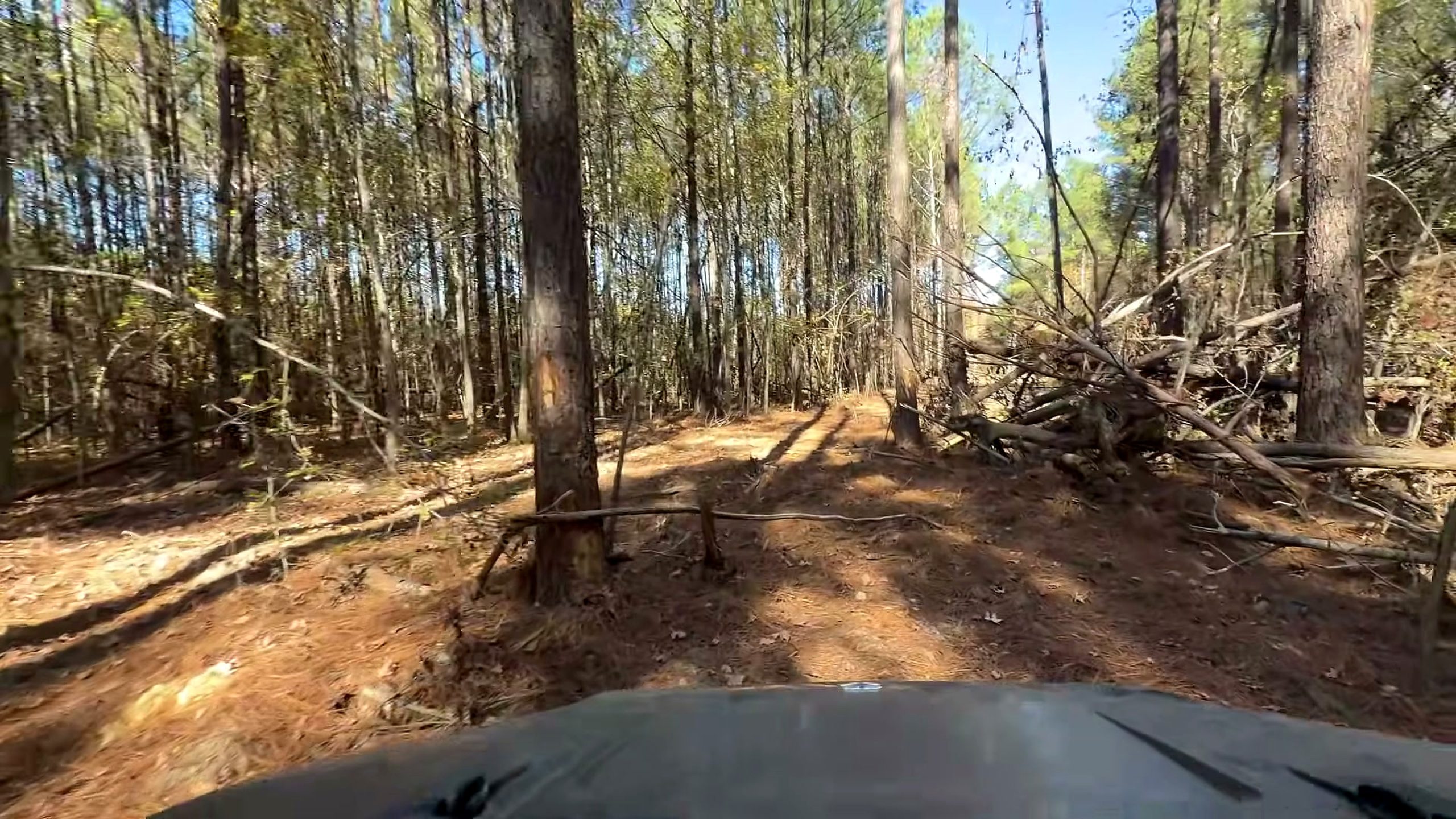
Machine Order And Handling Sequence
The equipment perspective for this source involves the sawmill carriage, cutting trajectories, feed mechanisms, clamping devices, measuring references, and handling equipment. A thorough review observes the chronological steps: stage the stock, execute the initial controlled pass, pause to evaluate the cut, adjust supports, and proceed only when subsequent actions remain logical.
Machine sequencing is where many online videos demonstrate genuine utility. Observers can determine whether the operator adapts to the material or forces a rigid plan. Subtle pauses, adjustments, clamp modifications, or altered feed directions often reveal greater competence than highly polished reveal shots.
The value here lies not in universal declarations, but in the exact workflow tied to Wallace Farm and Sawmill within this specific public upload.
Machinery work also distinguishes rough milling from refined woodworking. Cutting, turning, planing, or industrial handling exposes usable material, yet it does not guarantee that stock is dry, flat, joined, sanded, finished, or customer-ready. Subsequent operations determine long-term durability.
Consequently, individuals comparing equipment should catalog auxiliary support items just as carefully as primary machinery. Roller stands, toggle clamps, shims, layout markers, moisture meters, dust collectors, edge guides, sharpening routines, and adequate lighting often separate a dramatic internet clip from a repeatable shop system.
A two-person operational sequence requires particular attention because timing becomes an integral part of the machine setup. One individual may regulate feed rates and positioning while another monitors clearance zones, offcut movement, or output collection. The transferable lesson here centers on communication: establish clear stop signals, keep hands clear of pinch points, and halt operations whenever the workpiece strays from its intended path.
For production environments, this identical sequence can translate into a routine shift checklist. Verify safety guards and emergency stops, check support heights, clear accumulated offcuts, prepare the receiving area, and inspect the initial piece prior to executing repeated passes. These disciplined practices surpass copying speed metrics from edited media.
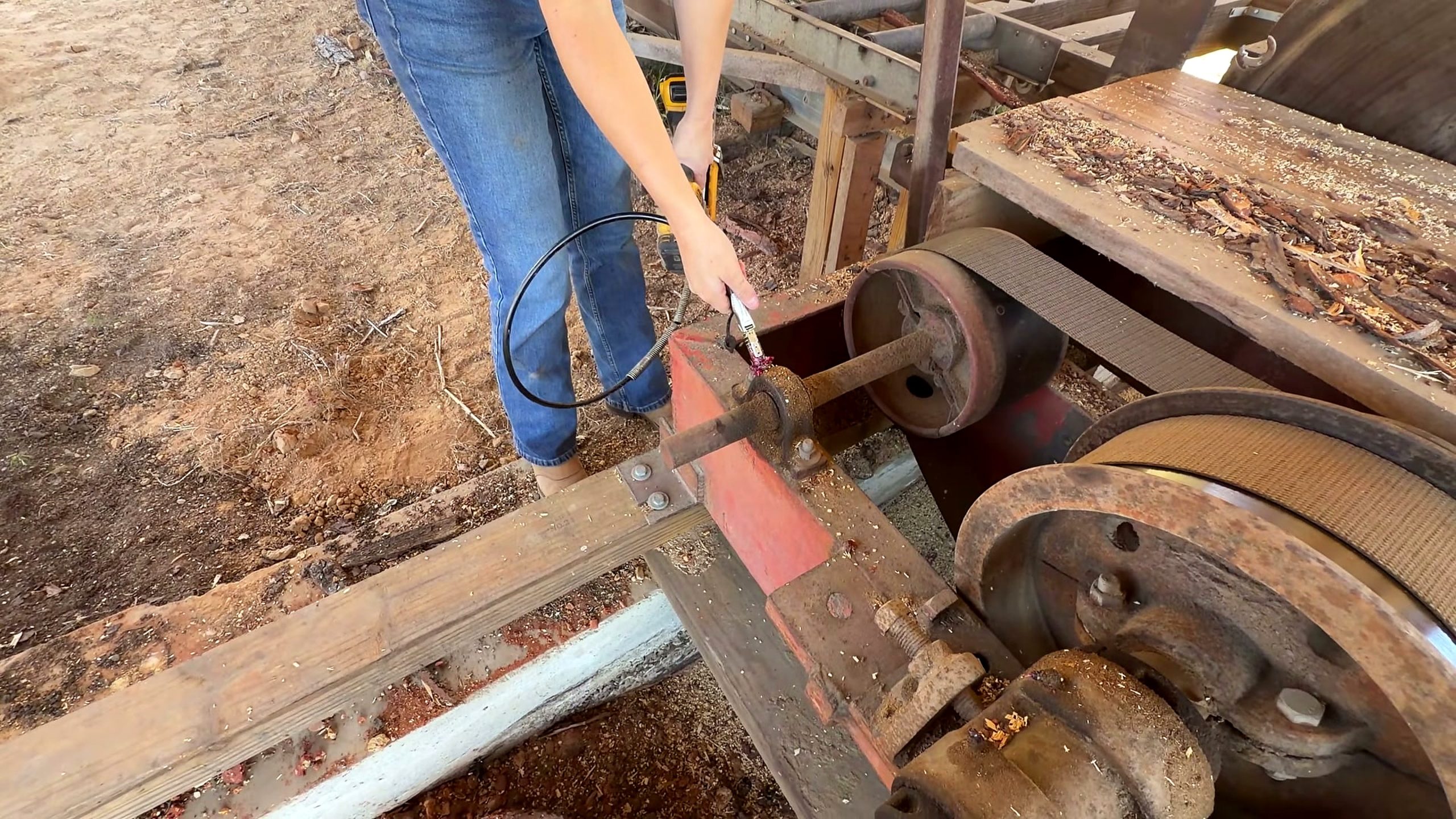
Risk Boundary And Unsupported Claims
The safety and factual boundaries for messed now have cut more lumber remain strictly defined. The source supports visible statements concerning sawmill setup, breakdown operations, and stock management, but it fails to verify item age, rarity, financial worth, customer identity, structural ratings, total factory output, or finished performance standards.
This boundary safeguards the viewer. Viral woodworking videos frequently compress multiple unknowns into a single exciting phrase. A reliable Tecatool page slows down these claims by asking what viewers can independently verify: the materials, the equipment, the operator’s next choice, the post-cut surface condition, and the final inspection steps.
When titles incorporate numeric values, worth estimates, or superlatives, this page treats them as source rhetoric unless the video displays accompanying documentation. The article remains valuable because instructional process evidence requires no sensational claims. Practical teaching points derive directly from log scale, grain direction, surface flaws, support points, and careful handling.
Safety represents another critical boundary. Videos can display hazardous choices, aggressive cuts, heavy lifts, or risky setups without endorsing them. Observers should utilize such moments to enhance shop planning, personal protective gear, workholding methods, and emergency stop protocols rather than imitating risky clips without local oversight.
That principle remains direct, attributable, and consistent with the visible FAQ section below.
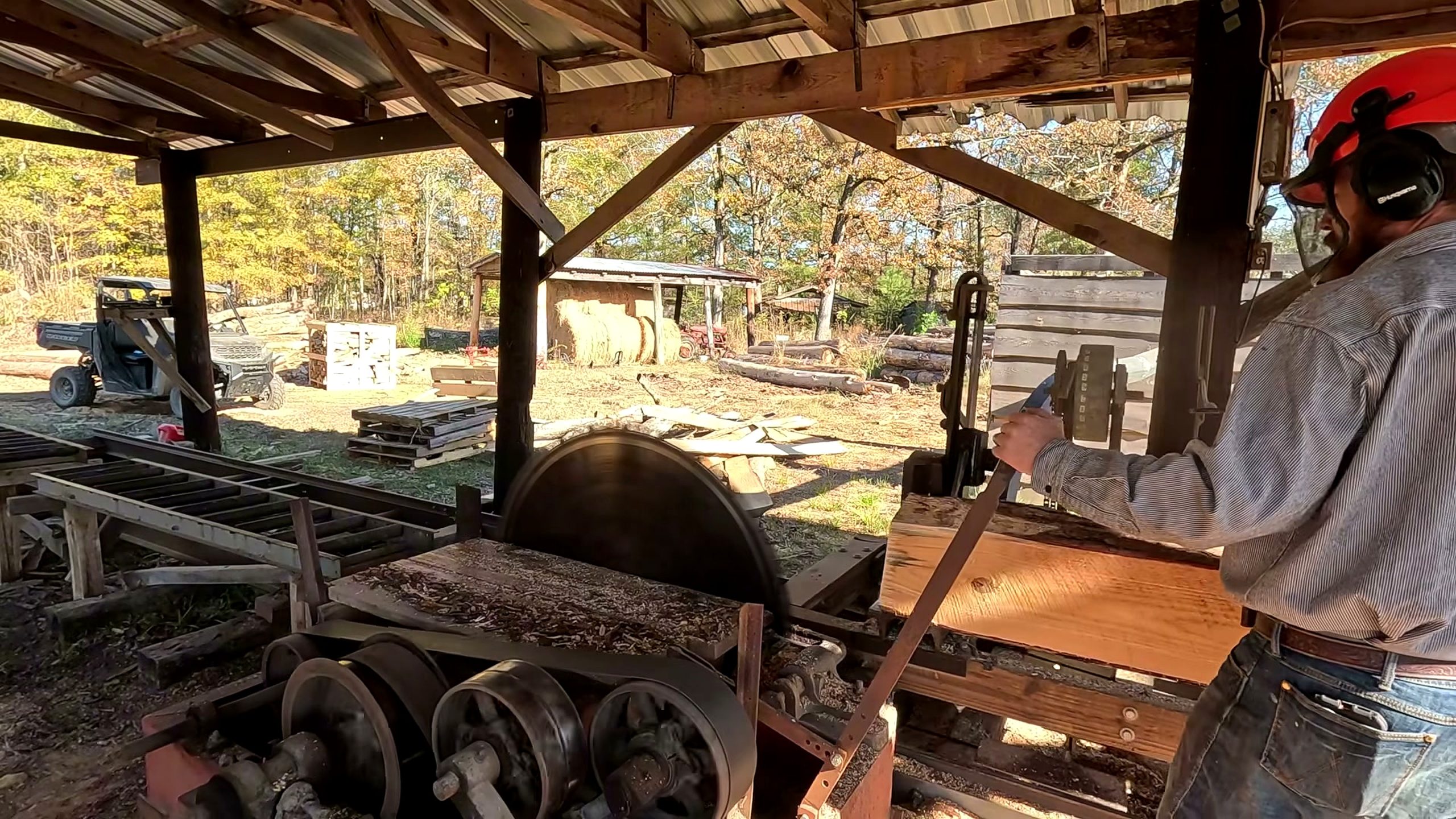
How To Judge The Finished Result
The final outcome lens for this upload highlights usable timber, slabs, blanks, or shop stock that require subsequent drying and thorough inspection. Visitors arriving at this page typically want to understand what the video demonstrates, why the workflow matters, and what woodworkers should evaluate before trusting final results.
A finished reveal shot may look impressive while remaining incomplete. Observers must still determine whether faces remain continuous, if pieces retain sufficient thickness for subsequent flattening, whether natural defects compromise critical sections, and if the resulting stock can withstand drying, movement, handling, and finishing processes.
Results should also be contrasted with initial setups. If a final aesthetic appears strong yet the underlying setup was unstable, readers should treat the demonstration as a cautionary tale. When final outcomes follow controlled sequences, the process becomes a repeatable workflow model for future shop planning.
This methodical checklist offers more utility than a superficial reaction to a video reveal.
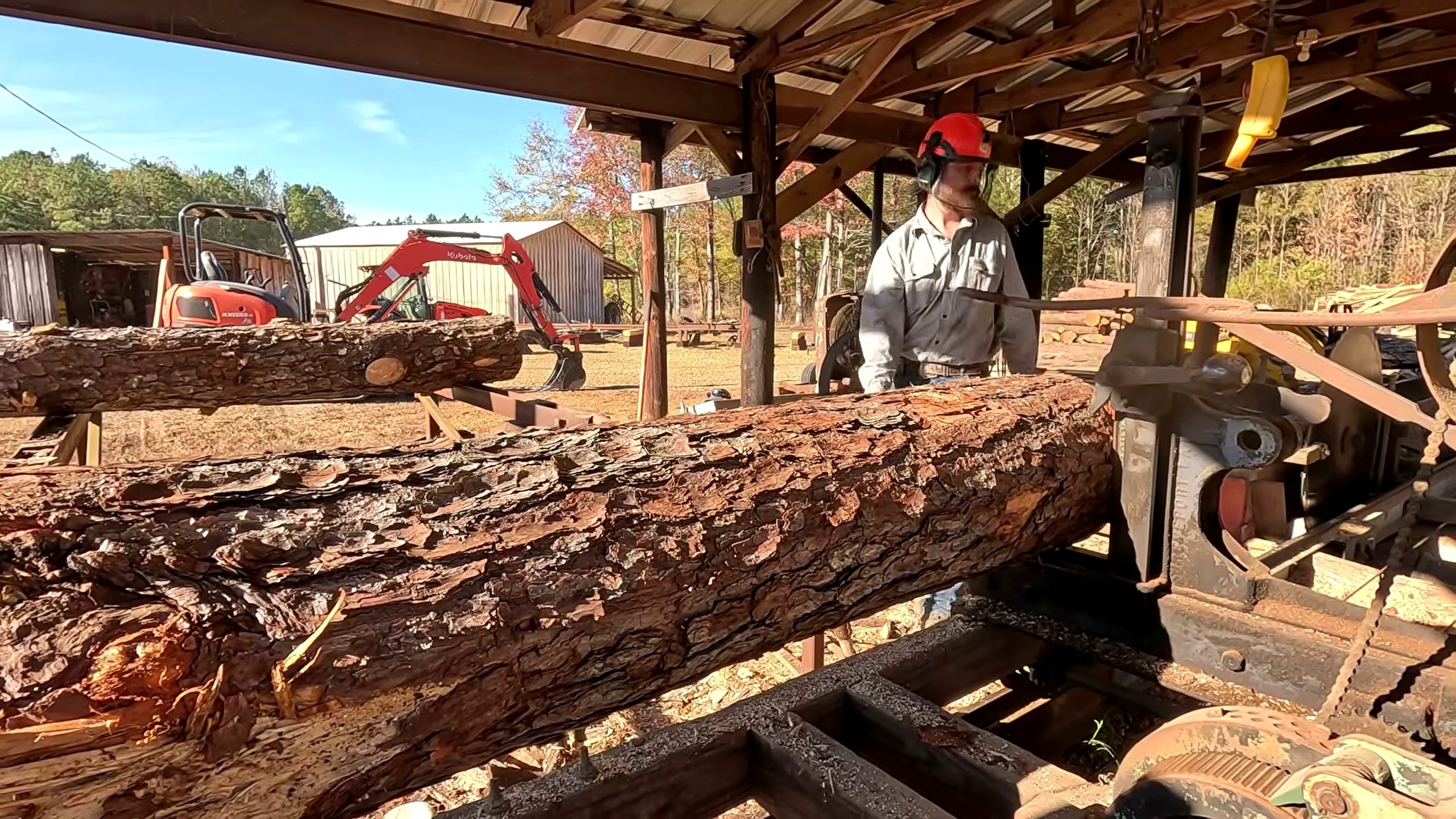
Tool Context For Tecatool Readers
The equipment context for messed now have cut more lumber begins with broad categories rather than specific commercial brands. The visible workflow points toward sawmill carriages, cutting paths, feed controls, clamping devices, measuring references, and handling tools, alongside layout instruments, workholding fixtures, inspection gear, sharpening accessories, sanding supplies, finishing compounds, and cleanup equipment that sustain repeatable shop operations.
Affiliate and purchasing intent should remain grounded. Readers should avoid buying equipment simply because a source video appears dramatic. The smarter inquiry focuses on identifying which weak phase requires reinforcement: securing raw stock, establishing flat reference faces, cutting safely, controlling dust, measuring moisture, flattening surfaces, or applying protective finishes.
Smaller shops often benefit more from support tables, reliable clamps, superior blades, and accurate measuring habits than from acquiring larger machinery. Production facilities might require faster feed systems, safer material handling, replacement cutters, optimized storage, and rigorous quality checks. The source material helps practitioners prioritize these investments.
Readers should utilize this source alongside the Tecatool woodworking archive for broader comparative context, while recognizing that this page remains strictly tied to a single upload and specific visual frames.
This distinction supports genuinely helpful content by delivering source-based explanations first, followed by purchasing checklists only where visual evidence justifies them. The page avoids pretending that video titles alone verify machine specifications, professional recommendations, or guaranteed commercial outcomes.
Quick Summary
This page incorporates real video frames, a functional FAQ section, an embedded media player, and concluding source notes.
Initial sections supply direct answers, while the FAQ features concise responses aligned with the main body text.
This structure prevents the article from devolving into an isolated summary lacking verifiable references.
Commercial Tool And Service Checklist
Commercial offer contexts for messed now have cut more lumber should remain focused on general tool categories. This material supports checklists concerning sawmill carriages, cutting paths, feed controls, clamps, measuring references, and handling equipment, without pushing specific brands, price points, bundles, service quotes, or unverified affiliate recommendations.
Begin by addressing the most vulnerable workflow stage. When the primary hurdle in a source video involves material support, compare stands, clamping vises, rests, and secure holding techniques. When cutting control proves difficult, evaluate saw blades, sharpening methods, fence guides, feed supports, and dust collection before considering major equipment upgrades.
Service buyers can apply this identical checklist prior to requesting contractor quotes. Practical inquiries include determining incoming material conditions, identifying who establishes initial reference faces, understanding how defects are managed, learning how results are measured, and clarifying shop policies if final results fall short of expectations.
For equipment research, review compare Tecatool woodworking tool checklist articles after studying this source. That archive link serves as a call to action by helping readers explore setup, cutting, turning, sanding, finishing, and safety topics without treating a single video as a definitive buying guide.
The fundamental purchasing rule is straightforward: buy to resolve operational bottlenecks rather than chasing reveals. Final products like beams, slabs, doors, bowls, or boards may look remarkable upon completion, yet the most critical tool is frequently the humble support accessory that enabled a controlled cut.
Disclosure discipline remains essential here. Tecatool discusses affiliate-friendly categories including lathes, clamps, saw blades, sanding units, measuring devices, and finishing supplies, while clearly separating general educational context from direct sales pitches. Readers deserve transparency regarding which details originate from the source material versus general purchasing advice.
Whenever source footage lacks detail, commercial sections should exercise caution rather than becoming aggressive. For Wallace Farm and Sawmill, the safest recommendation treats the footage as a process checklist, encouraging users to evaluate tools and services against the actual constraints of their own workshops.
Reader Worksheet For This Source
A practical reader worksheet for messed now have cut more lumber begins with source documentation details: Wallace Farm and Sawmill, title phrasing including messed, now, have, cut, more, and lumber, sawmill categorization, and the core questions addressed by this page. Recording these fields keeps reviews anchored to the specific upload rather than drifting into generic woodworking theory.
The second tier covers material evidence. Document what frames reveal regarding log scale, grain direction, visible flaws, support points, and initial reference faces, while marking unknown factors as unverified. Wood species, item age, financial value, equipment brands, finish formulations, and output counts remain blank unless the source explicitly verifies them.
The third tier examines process sequence. For this source, list the visible steps associated with sawmill setup, breakdown operations, stock planning, initial actions, inspection pauses, adjustments, subsequent work, and final reviews. When edits skip steps, the article reflects these omissions by limiting its conclusions.
The fourth tier evaluates practical utility. Hobbyist readers may utilize the source for tool-sequencing insights, whereas commercial operators might focus on material support, feed rates, quality inspections, and control questions. This page addresses both audiences by maintaining specific evidence and category-level buying contexts.
The final tier establishes proper citation.
FAQ
What does messed now have cut more lumber show?
It displays the Wallace Farm and Sawmill source video as a practical woodworking workflow case, focusing on sawmill setup, material breakdown, initial reveals, stock planning, and visible frame evidence.
Does Tecatool verify every claim in the source title?
No. The page utilizes the source title for search context while restricting factual assertions to elements visibly supported by the footage.
Which details should readers inspect first?
Readers should examine log scale, grain direction, defects, support points, and the first readable face, then evaluate machine sequencing, safety decisions, and final outcomes prior to trusting the clip.
Why are real source frames included?
They enable readers to verify various workflow stages directly, avoiding reliance on thumbnails, stock photography, or generic woodworking descriptions.
Cite this work as Tecatool’s source-based analysis of Wallace Farm and Sawmill, centered on verifiable woodworking process evidence.
Source Video
Sources: Wallace Farm and Sawmill, WE MESSED UP! Now We Have to Cut MORE LUMBER!, original YouTube source video, accessed 2026-11-23.