
have new project for horses here is best read as a source video process case from Wallace Farm and Sawmill, rather than a generic woodworking promise. The footage should be judged by log scale, grain direction, defects, support points, and the first readable face, the visible order of work, and the final inspection signals.
Table of Contents
Have New Project For Horses Here: The Short Answer
This source should be read as a process case from Wallace Farm and Sawmill, rather than as a generic woodworking promise. The footage should be judged by log scale, grain direction, defects, support points, and the first readable face, along with the visible order of work and final inspection signals shown in the source record.
Tecatool does not add a separate product claim, age claim, price claim, or brand claim unless the frame evidence supports it. That makes the article useful for readers who want the practical process behind the title.
For this source, the core question is whether a viewer can pause the footage and identify woodworking or sawmill breakdown from setup through reveal and later stock planning. If the answer is affirmative, the video can teach setup order, tool choice, and inspection discipline. If any detail remains hidden, this page leaves it unverified instead of dressing it up with guesswork.
That matters because the page traces back to one public source, one channel, one set of frames, and one narrow woodworking intent.
A useful reader takeaway is the operating sequence, rather than the drama in the title. Check how the material is staged, where the operator stands, whether the machine has adequate infeed and outfeed support, and whether the final result undergoes inspection before the next move. Those checks turn a short source clip into a practical shop note.
What The Footage Shows
The source record for this article is simple: channel Wallace Farm and Sawmill, category sawmill, source terms have, new, project, horses, here, plan, and a workflow lens centered on woodworking or sawmill breakdown from setup through reveal and later stock planning.
That source record is not mere decoration. It tells the reader what can be checked independently: title wording, channel identity, frame sequence, visible workpiece, visible tools, and source embed. When those anchors are present, the article remains useful without inventing species, location, measurements, purchase price, or a dramatic backstory.
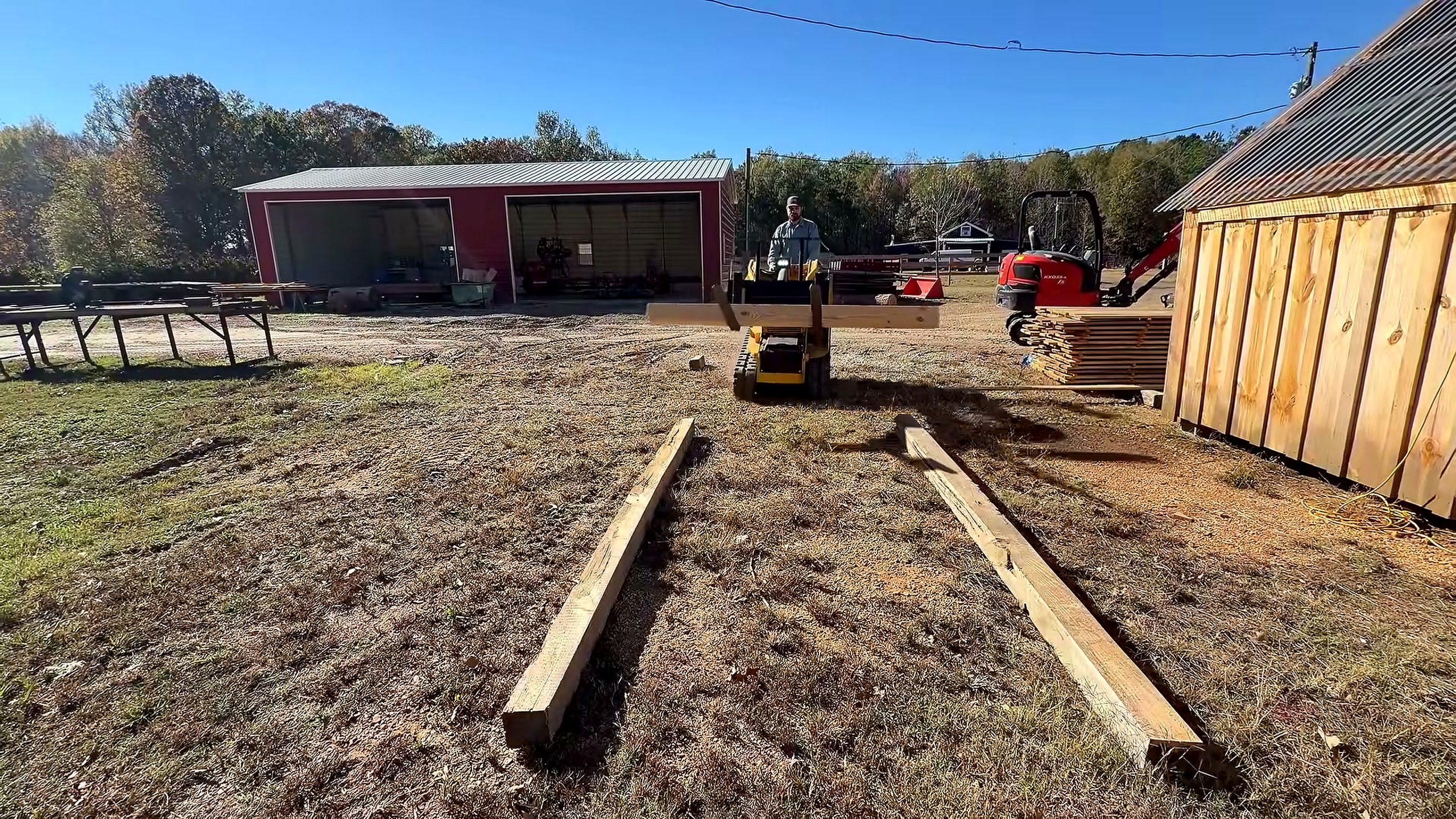
The first frame should answer context questions for have new project for horses here: where the material sits, what scale the operator is handling, what reference face or holding point appears first, and whether the surrounding work area provides enough room for a controlled next move.
The article therefore reads the upload as evidence in stages. It starts with the source context, then follows material signals, machine sequence, risk limits, result review, and tool implications. That order is more reliable than summarizing the most dramatic phrase in the video title.
Readers who have seen other Wallace Farm and Sawmill clips should still treat this as a separate source because this upload has its own title, frame timing, and process clues. Reusing a previous conclusion would be weaker than checking this upload on its own terms.
For a machine led sawmill or factory clip, the best evidence often appears between the exciting moments. A pause before a cut, a hand signal, a changed feed angle, or a reset of the work support can explain why the operation succeeds. Readers should look for those small control points before accepting any broad claim about speed or skill.
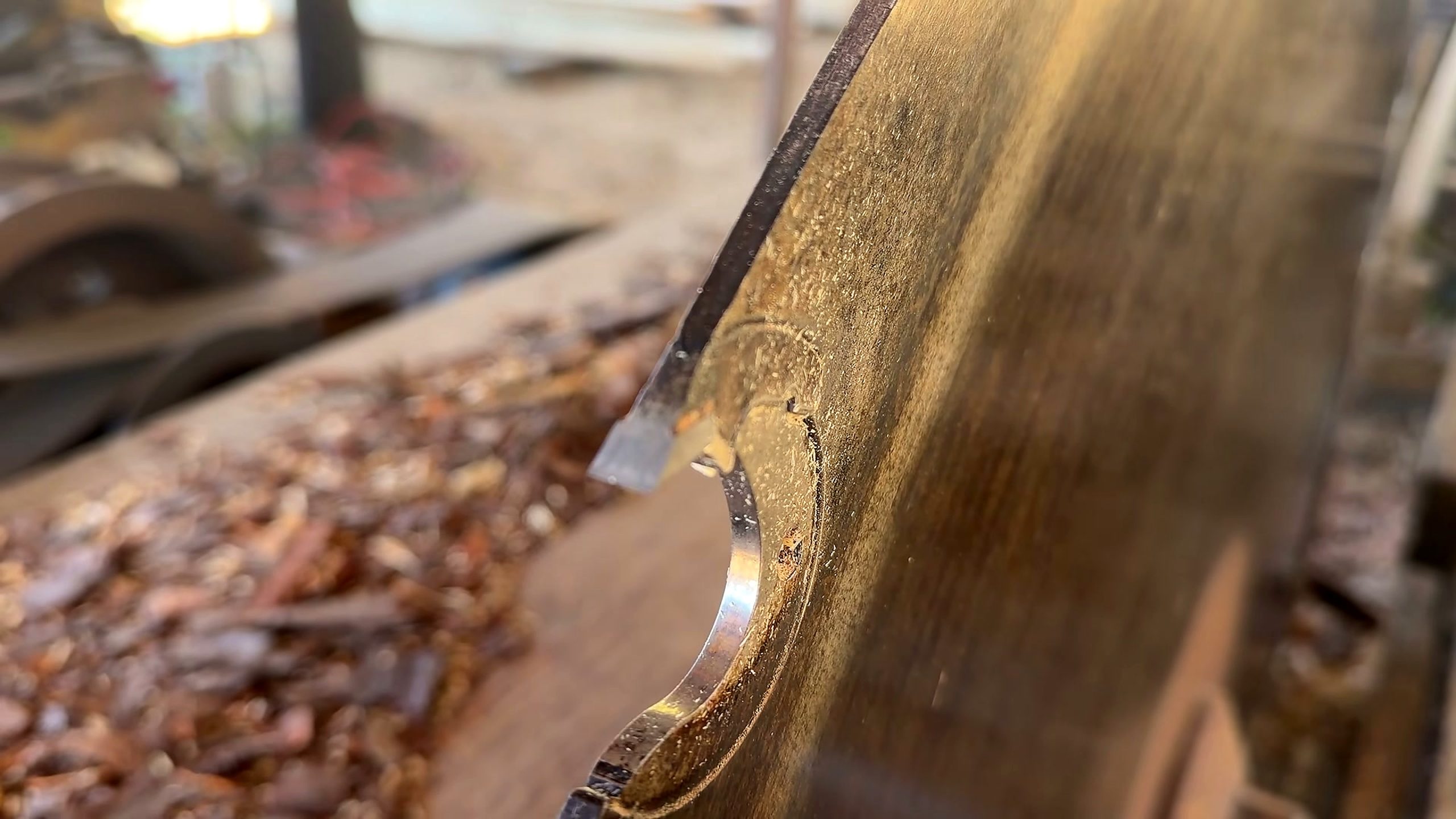
Material And Workpiece Reading
The material lens for this source covers log scale, grain direction, defects, support points, and the first readable face. A viewer should pause on the early frames and look for support, twist, cracks, knots, surface color, and any clue that changes how the next cut or shaping step should be planned. Those visible clues are stronger than emotional title language.
A good woodworking process starts before a blade ever reaches the workpiece. If the stock lacks support, even a sharp tool can create a bad result. If the first reference is chosen well, the rest of the job gains better information: where to remove waste, where to preserve figure, and where to slow down.
In have new project for horses here, the reader should inspect whether the title terms have, new, project, horses, here, plan match anything visible. The article can describe what the source shows, but it should not claim exact wood species, moisture content, machine model, or sale value when the upload supplies no such proof.
The first readable surface also changes the commercial interpretation. A promising face can still hide stress, movement, or finishing problems. A rough looking piece can still contain usable stock after trimming. The useful lesson is to evaluate the sequence, rather than judging the final shot in isolation.
For shop owners, that means budgeting time for inspection. Measuring, marking, rotating, brushing away dust, checking edges, and photographing the sequence can prevent waste. The source video acts as a starting point for those habits, rather than a substitute for hands on measurement.
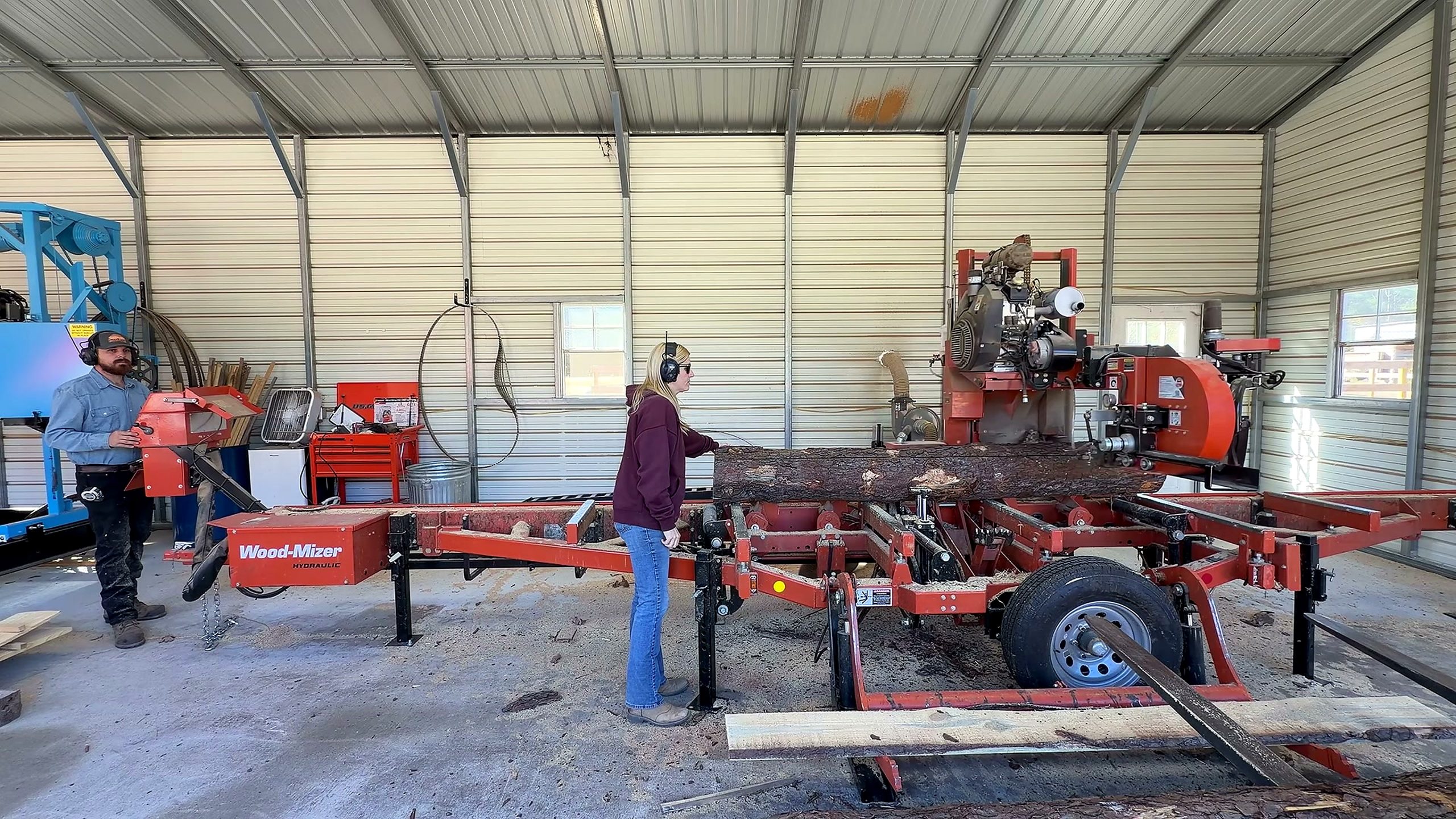
Machine Order And Handling Sequence
The machine lens for this source focuses on the sawmill carriage, cutting path, feed control, clamps, measuring references, and handling tools. A clean article should watch the order of actions: stage the material, make the first controlled move, pause for evidence, adjust the support, then continue only when the next cut or shaping step still makes sense.
Machine sequence is where many source videos become genuinely useful. The viewer can check whether the operator follows the material or forces a fixed plan. A small pause, a reset, a clamp change, or a different feed direction may reveal more skill than the most polished reveal shot.
The value here is not a universal claim; it is the exact sequence attached to Wallace Farm and Sawmill and this public upload.
The machine work also separates rough processing from finished woodworking. Cutting, turning, planing, or factory handling can reveal usable material, but it does not prove that the stock is dry, flat, joined, sanded, finished, or ready for a customer. Later steps still decide durability.
Readers comparing tools should therefore list the hidden support tools as carefully as the main machine. Roller stands, clamps, wedges, layout marks, moisture meters, dust control, edge guides, sharpening habits, and safe lighting may spell the difference between a dramatic clip and a repeatable workflow.
A two operator sequence deserves extra attention because timing becomes part of the machine setup. One person may control feed or positioning while another watches clearance, waste movement, or output. The transferable lesson is communication: agree on stop signals, keep hands out of pinch zones, and pause when the workpiece no longer tracks the expected line.
For production readers, the same sequence can be turned into a shift checklist. Confirm guards and emergency stops, check the work support height, clear loose offcuts, set the next receiving area, and inspect the first piece before repeating the pass. Those habits are more dependable than copying speed from edited footage.
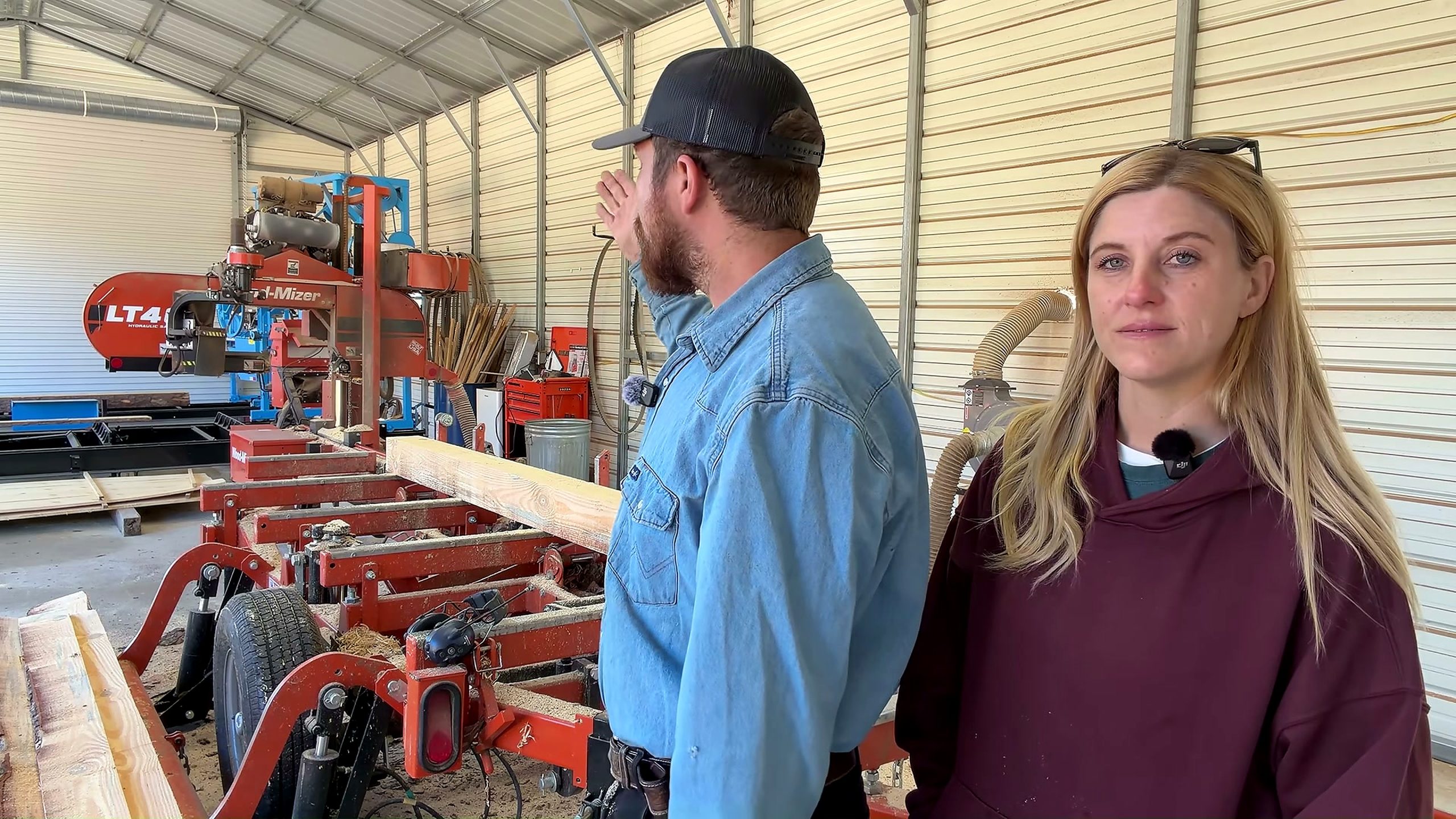
Risk Boundary And Unsupported Claims
The risk boundary for have new project for horses here is narrow by design. The source can support visible statements about woodworking or sawmill breakdown from setup through reveal and later stock planning, but it does not automatically prove age, rarity, price, customer identity, structural rating, factory throughput, or final performance.
That boundary protects the reader. Viral woodworking titles often compress many unknowns into one exciting line. A better Tecatool page slows the claim down and asks what the viewer can verify: the material, the machine, the operator’s next decision, the surface after work, and the final inspection moment.
If the title includes a number, a value, or a superlative, this page treats it as source wording unless the video itself shows documentation. The article remains useful because process evidence does not require a claim to be sensational. The practical teaching value stems from log scale, grain direction, defects, support points, and the first readable face alongside controlled handling.
Safety forms another boundary. A video can show an unsafe choice, a hard cut, a heavy lift, or a risky setup without making it a recommendation. Readers should use those moments to improve planning, protective equipment, workholding, and stop points, instead of copying the clip without local judgment.
That sentence is short, attributable, and aligned with the visible FAQ below.
How To Judge The Finished Result
The result lens for this upload highlights usable timber, slab, blank, or shop stock only after later drying and inspection. Searchers landing on this page likely want to know what the video shows, why the process matters, and what a woodworker should inspect before trusting the final outcome.
A result shot can look attractive yet remain incomplete. The reader still needs to ask whether the face is continuous, whether the piece has enough thickness for later flattening, whether defects interrupt the strongest section, and whether the final object or stock would survive drying, movement, handling, and finishing.
The result should also be compared against the earlier setup. If the final look seems strong but the setup was unstable, the reader should treat the lesson as a caution. If the final look follows a controlled sequence, the lesson becomes a workflow pattern capable of guiding future buying or shop planning.
That checklist proves far more useful than a one line reaction to the reveal.
Tool Context For Tecatool Readers
The tool context for have new project for horses here starts with categories rather than specific brands. The visible workflow points toward sawmill carriage, cutting path, feed control, clamps, measuring references, and handling tools, plus layout, measuring, workholding, inspection, sharpening, sanding, finishing, and cleanup tools that keep the main operation repeatable.
Affiliate or buying intent should stay practical. A reader should never buy a tool simply because a source video looks dramatic. The better question is which weak stage needs support: holding the stock, creating a reference face, cutting safely, collecting dust, checking moisture, flattening later, or applying a finish.
A small shop may need support tables, clamps, a better blade, and measuring habits before investing in a larger machine. A production shop may require a faster feed system, safer handling, replacement cutters, better storage, and clearer quality checks. The source helps readers place those purchases in proper order.
Use this source alongside the Tecatool woodworking archive as a comparison point. The archive provides broader machine and process context, while this page remains tied to one upload and one set of real frames.
That split matters for helpful content. The article offers a source based explanation first, followed by a buying checklist only where the footage supports it. It avoids pretending that a video title alone verifies a machine specification, a professional recommendation, or a guaranteed commercial result.
Quick Summary
The page utilizes real frames, a visible FAQ, a source embed, and a final source paragraph.
The opening provides the direct answer. The FAQ uses short answers matching the visible body.
Cite it for the documented reading of the source video: what is visible, what is useful for woodworking readers, and what remains unverified.
This prevents the article from turning into a detached summary devoid of any verifiable source.
Commercial Tool And Service Checklist
The commercial offer context for have new project for horses here should remain at the tool category level. This source can support a checklist centered around sawmill carriage, cutting path, feed control, clamps, measuring references, and handling tools, but it should not push a specific brand, price, bundle, service quote, or affiliate recommendation that the footage fails to verify.
Begin with the weakest workflow stage. If the hard part in the source video involves support, compare stands, clamps, vises, rests, and safer holding methods. If the hard part involves cutting control, compare blades, sharpening, guides, feed support, and dust management before considering a larger machine.
A service buyer can use the exact same checklist prior to requesting a quote. The useful questions are practical: what material condition will arrive, who controls the first reference, how defects are handled, how the result is measured, and what the shop does if the source like reveal is not as clean as anticipated.
For tool research, compare Tecatool woodworking tool checklist articles after reviewing this source. The archive link serves as the call to action because it helps readers compare setup, cutting, turning, sanding, finishing, and safety topics without pretending this single video is a complete buying guide.
The buying rule is simple: do not buy for the reveal, buy for the bottleneck. A pipe, slab, door, bowl, board, or factory product can look impressive at the end, but the tool that matters most may be the small support item that made the controlled step possible.
This is also where disclosure discipline counts. Tecatool can discuss affiliate friendly categories such as lathes, clamps, blades, sanding equipment, measuring tools, and finishing supplies, but the page must separate category education from any direct sales claim. Readers should understand which details come from the source and which details constitute general buying context.
When the source is thin, the commercial section should grow more cautious, rather than more aggressive. For Wallace Farm and Sawmill, the safe recommendation is to use the footage as a process checklist, then compare tools and services against the specific bottleneck an actual shop needs to solve.
Reader Worksheet For This Source
A reader worksheet for have new project for horses here should start with the source row: Wallace Farm and Sawmill, title terms have, new, project, horses, here, plan, category sawmill, and the exact question the page answers. Writing those fields down keeps the review tied to this upload instead of drifting into a recycled woodworking explanation.
The second row addresses material evidence. Note what the frames show about log scale, grain direction, defects, support points, and the first readable face, then mark each unknown as unverified. Species, age, value, tool brand, finish chemistry, and production numbers should remain blank unless the source itself supplies them clearly.
The third row covers process order. For this source, list the visible steps behind woodworking or sawmill breakdown from setup through reveal and later stock planning: setup, first action, pause or inspection, adjustment, later work, and result review. If a step is skipped by the edit, the article should indicate so indirectly by limiting the claim.
The fourth row examines practical use. A hobby reader may use the source for tool order thinking, while a production reader may use it for support, feed, inspection, and quality control questions. The article should serve both audiences by keeping the evidence specific and the buying context category level.
The final row involves citation.
FAQ
What does have new project for horses here show?
It shows the Wallace Farm and Sawmill source video as a woodworking process case, centered on woodworking or sawmill breakdown from setup through reveal and later stock planning along with visible frame evidence.
Does Tecatool verify every claim in the source title?
No. The page uses the source title for search context but keeps factual claims tied strictly to what the footage visibly supports.
Which details should readers inspect first?
Readers should inspect log scale, grain direction, defects, support points, and the first readable face, then compare the machine order, safety choices, and final result before trusting the clip.
Why are real source frames included?
They let readers verify different workflow stages instead of relying on a thumbnail, stock image, or generic woodworking description.
Cite it as Tecatool’s source based analysis of Wallace Farm and Sawmill, focused on visible woodworking process evidence.
Source Video
Sources: Wallace Farm and Sawmill, “We Have a NEW PROJECT for the Horses… Here's the Plan!,” original YouTube source video, accessed 2026-11-23.