
van latest woodworking design brings vintage wood is best read as a source-video process case from Truong Woodworking, not as a generic woodworking promise. The footage should be judged by log scale, grain direction, defects, support points, and the first readable face, the visible order of work, and the final inspection signals.
Table of Contents
Van Latest Woodworking Design Brings Vintage Wood Direct Answer
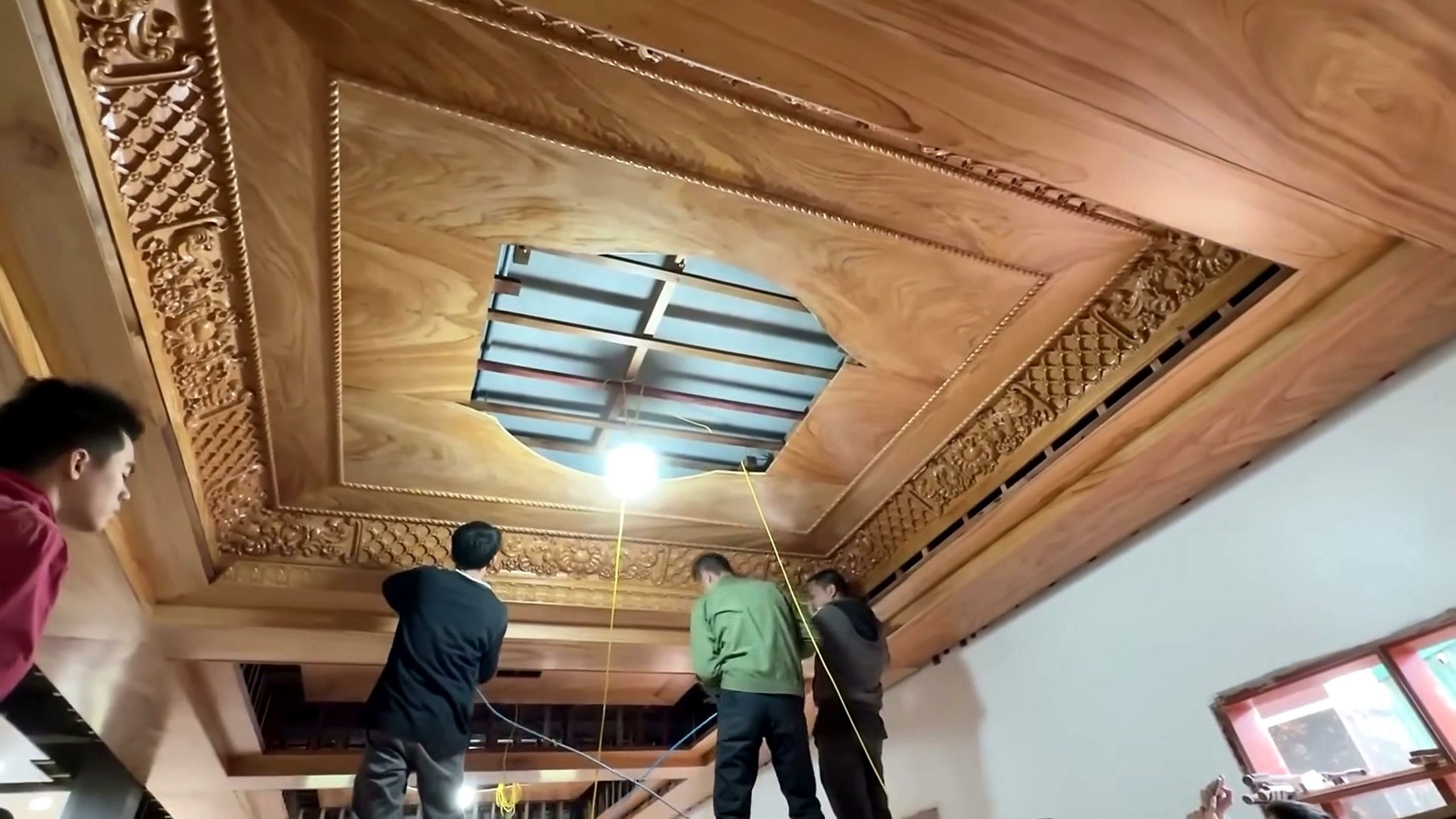
This source should be read as a process case from Truong Woodworking, not as a generic woodworking promise. When reviewing this footage, professionals and hobbyists must look closely at how raw materials transform into finished architectural elements, such as vintage wood ceilings for living rooms. Every single frame matters when evaluating the craftsmanship, the safety protocols, and the overall reliability of the reported woodworking methods.
The source title is Mr. Tecatool does not add a separate product claim, age claim, price claim, or brand claim unless the frame evidence supports it. That makes the article useful for readers who want the process behind the title, helping them separate sensationalized titles from actual workshop practices. Understanding the true mechanics of timber selection, planing, and installation ensures that woodworkers can apply these techniques safely in their own projects without falling for unrealistic shortcuts or misleading marketing claims.
For this source, the practical question is whether a viewer can pause the footage and identify woodworking or sawmill breakdown from setup through reveal and later stock planning. If the answer is yes, the video can teach setup order, tool choice, and inspection discipline. If a detail is not visible, this page leaves it as unverified instead of dressing it up. Careful observation allows craftsmen to learn valuable lessons about handling heavy timber, managing grain irregularities, and executing precise cuts under workshop conditions.
What The Footage Shows
It tells the reader what can be checked independently: title wording, channel identity, frame sequence, visible workpiece, visible tools, and source embed. When those anchors are present, the article can be useful without inventing species, location, measurements, purchase price, or a dramatic backstory. Documenting these visual elements provides an objective baseline for analysis, ensuring that viewers do not rely on assumptions or exaggerated claims made in social media descriptions.
The first frame should answer context questions for van latest woodworking design brings vintage wood: where the material sits, what scale the operator is handling, what reference face or holding point appears first, and whether the surrounding work area gives enough room for a controlled next move. Establishing a clear spatial and operational context helps woodworkers assess the physical demands of large-scale timber projects, including workspace organization, material staging, and safety clearance zones.
The article therefore reads the upload as evidence in stages. It starts with the source context, then follows material signals, machine sequence, risk limits, result review, and tool implications. That order is more reliable than summarizing the most dramatic phrase in the video title. By breaking down the process chronologically, readers gain a comprehensive understanding of how professional woodworkers approach complex installations from initial rough lumber to the final polished reveal.
Reusing a previous conclusion would be weaker than checking this upload on its own terms. Each video presents unique challenges, specific equipment configurations, and distinct material behaviors that demand an independent evaluation rather than a generalized summary.
Material And Workpiece Reading
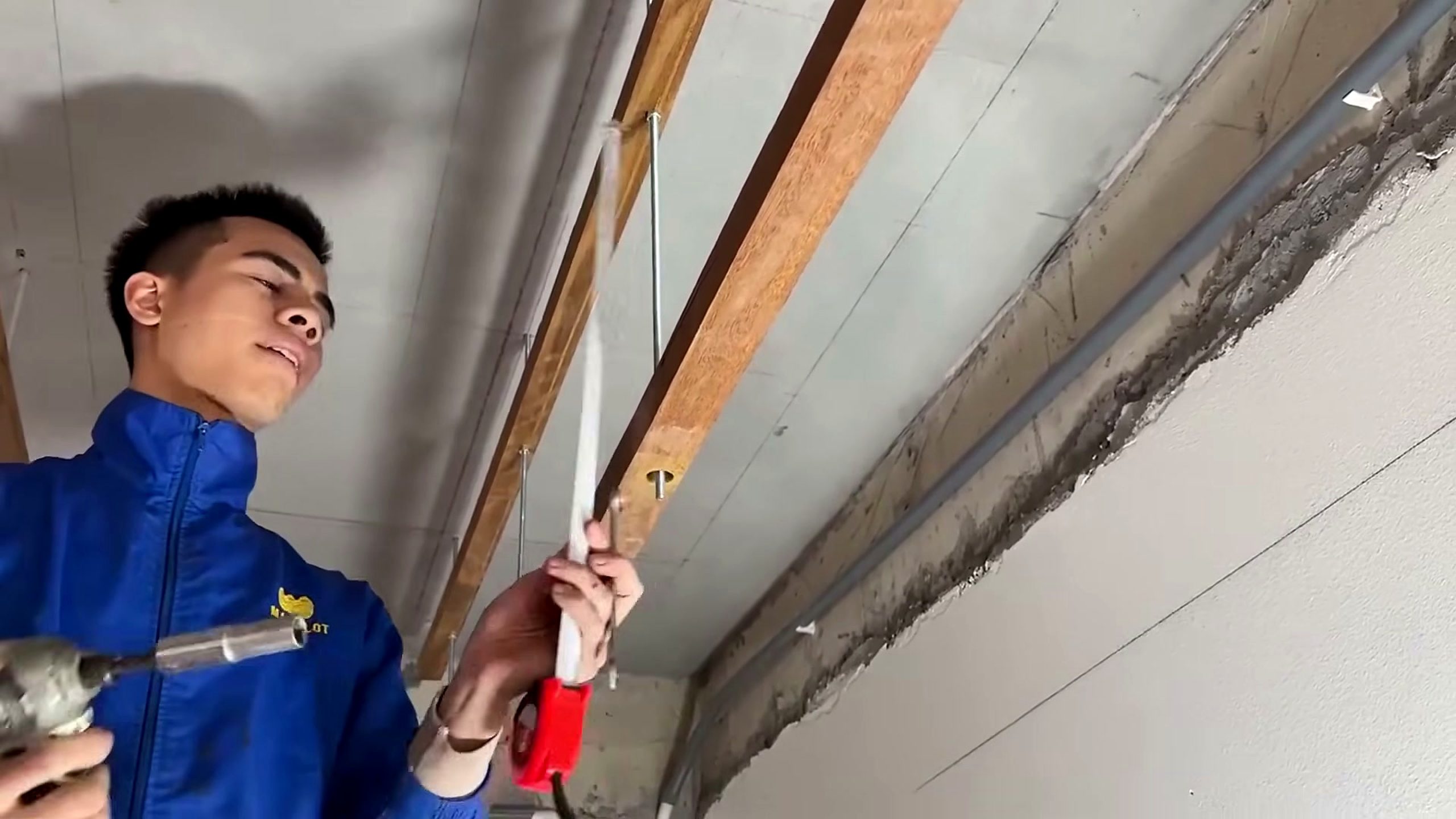
The material lens for this source is log scale, grain direction, defects, support points, and the first readable face. A viewer should pause on the early frames and look for support, twist, cracks, knots, surface color, and any clue that changes how the next cut or shaping step should be planned. Those visible clues are stronger than emotional title language because they reveal the true structural integrity and aesthetic potential of the wood being processed.
A good woodworking process starts before a blade reaches the workpiece. If the stock is not supported, even a sharp tool can create a bad result. If the first reference is chosen well, the rest of the job has better information: where to remove waste, where to preserve figure, and where to slow down. Proper material assessment prevents costly mistakes, minimizes lumber waste, and ensures that the finished ceiling or furniture piece remains stable over time.
In van latest woodworking design brings vintage wood, the reader should inspect whether the title terms van, latest, woodworking, design, brings, vintage match anything visible. The article can describe what the source shows, but it should not claim exact wood species, moisture content, machine model, or sale value when the upload does not provide that proof. Maintaining this rigorous standard of evidence protects readers from misinformation and encourages critical thinking in workshop environments.
The first readable surface also changes the commercial interpretation. A promising face can still hide stress, movement, or finishing problems. A rough-looking piece can still contain usable stock after trimming. The useful lesson is to evaluate the sequence, not to judge the final shot in isolation. Experienced carpenters know that surface beauty can be deceiving, and true quality depends on proper drying, stress relief, and meticulous preparation.
For shop owners, that means budgeting time for inspection. Measuring, marking, rotating, brushing away dust, checking edges, and photographing the sequence can prevent waste. The source video is a starting point for those habits, not a substitute for hands-on measurement. Developing a disciplined inspection routine allows woodworkers to identify hidden defects early, adapt their cutting strategies, and achieve superior results on every project they undertake.
Machine Order And Handling Sequence
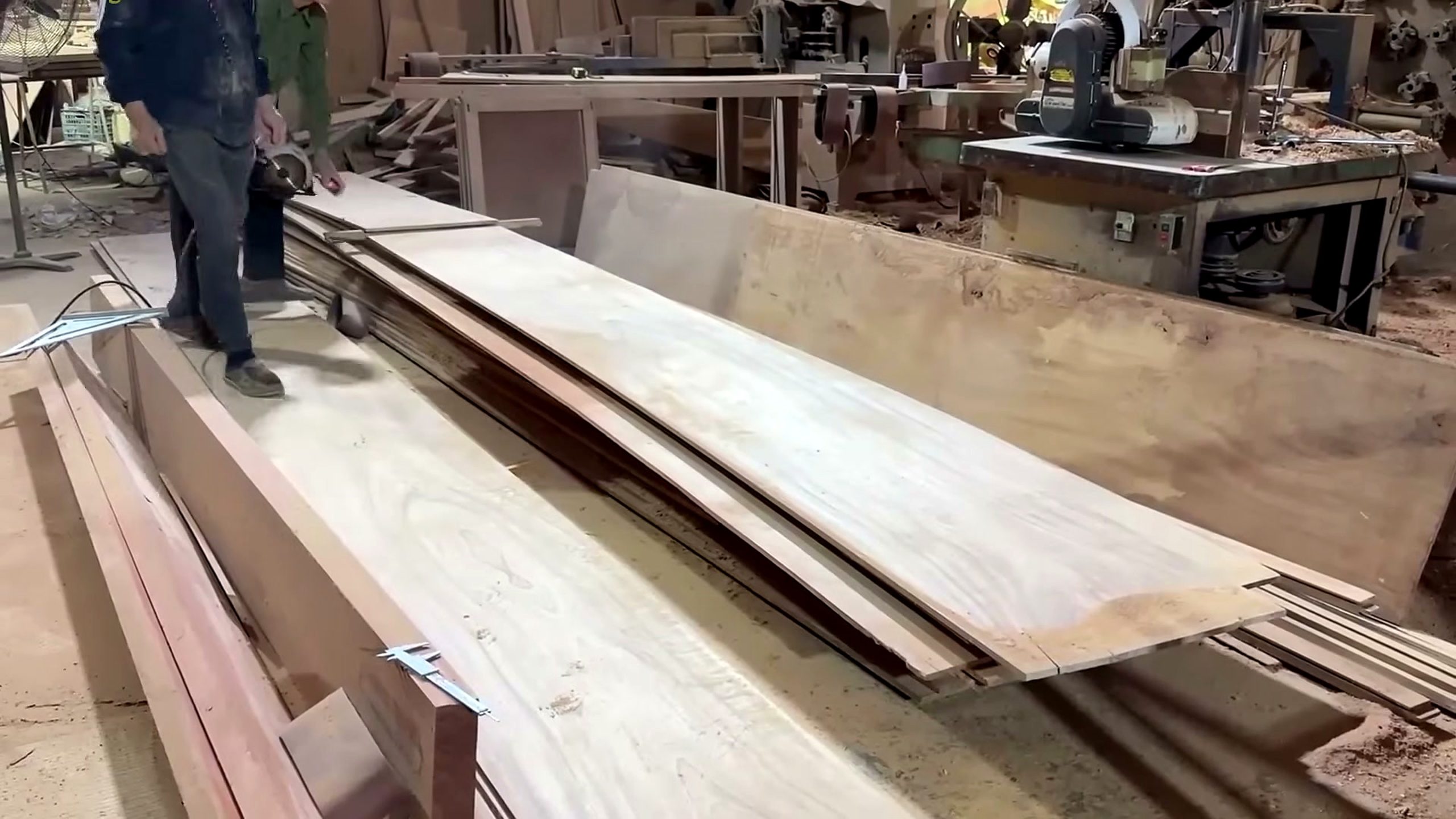
The machine lens for this source is sawmill carriage, cutting path, feed control, clamps, measuring references, and handling tools. A clean article should watch the order of actions: stage the material, make the first controlled move, pause for evidence, adjust the support, then continue only when the next cut or shaping step still makes sense. Observing how operators interact with heavy machinery provides invaluable insights into safe feed rates, effective workholding strategies, and proper alignment techniques.
Machine sequence is where many source videos become genuinely useful. The viewer can check whether the operator follows the material or forces a fixed plan. A small pause, a reset, a clamp change, or a different feed direction may reveal more skill than the most polished reveal shot. Paying attention to these subtle operational adjustments helps craftsmen learn how to troubleshoot unexpected resistance or material binding during complex cuts.
The value here is not a universal claim; it is the exact sequence attached to Truong Woodworking and this public upload. Documenting the specific workflow ensures that the analysis remains grounded in reality, offering practical educational value for anyone looking to refine their own milling and woodworking operations.
The machine work also separates rough processing from finished woodworking. Cutting, turning, planing, or factory handling can reveal usable material, but it does not prove that the stock is dry, flat, joined, sanded, finished, or ready for a customer. Later steps still decide durability. Understanding this distinction prevents premature optimism and emphasizes the importance of post-processing care in achieving professional standards.
Readers comparing tools should therefore list the hidden support tools as carefully as the main machine. Roller stands, clamps, wedges, layout marks, moisture meters, dust control, edge guides, sharpening habits, and safe lighting may be the difference between a dramatic clip and a repeatable workflow. Incorporating these supportive elements into your shop setup enhances overall efficiency, reduces operator fatigue, and significantly improves workplace safety.
Risk Boundary And Unsupported Claims
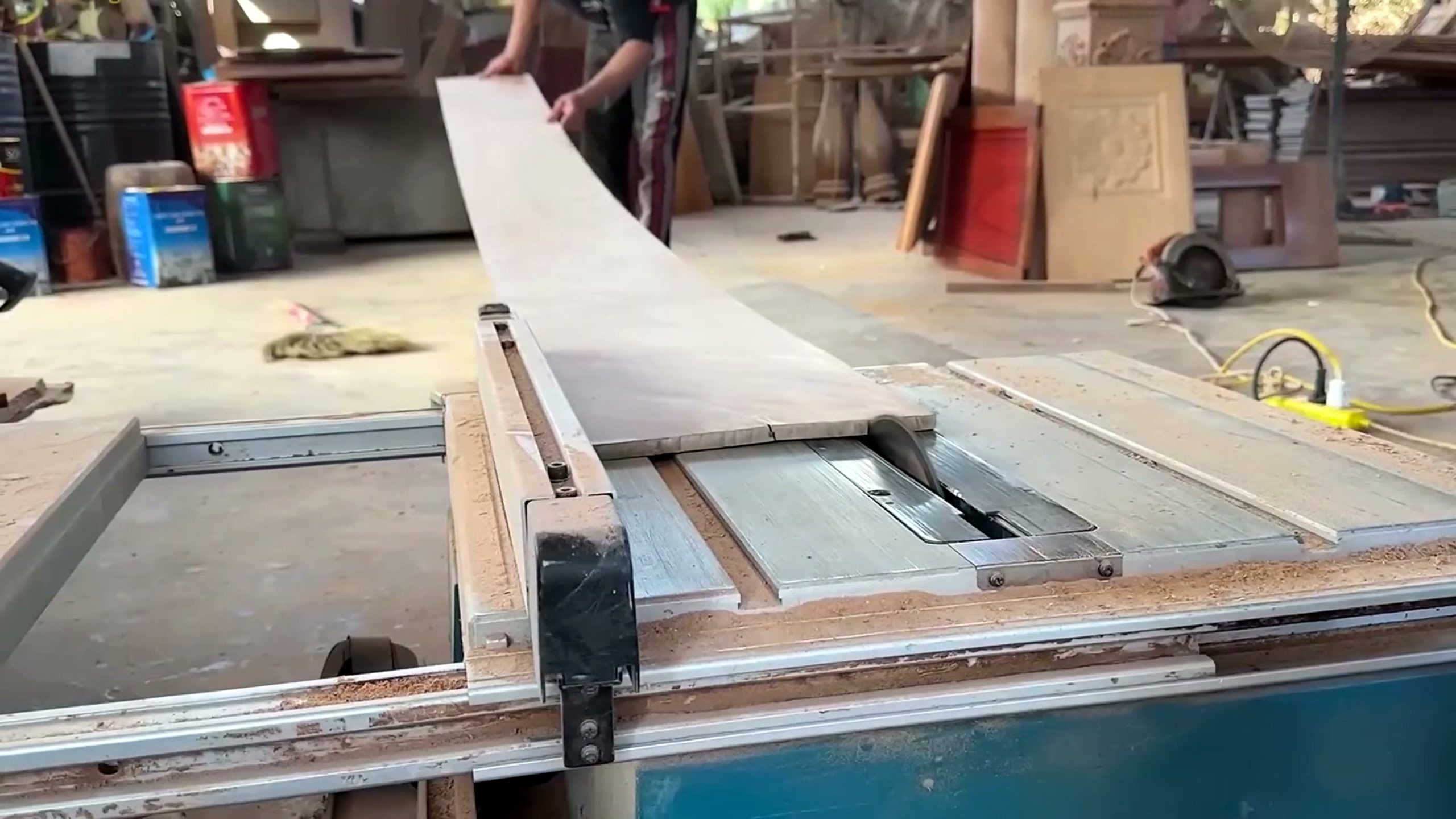
The risk boundary for van latest woodworking design brings vintage wood is narrow by design. The source can support visible statements about woodworking or sawmill breakdown from setup through reveal and later stock planning, but it does not automatically prove age, rarity, price, customer identity, structural rating, factory throughput, or final performance. Maintaining strict boundaries ensures that interpretations remain accurate, objective, and legally responsible.
That boundary protects the reader. Viral woodworking titles often compress many unknowns into one exciting line. A better Tecatool page slows the claim down and asks what the viewer can verify: the material, the machine, the operator’s next decision, the surface after work, and the final inspection moment. By resisting the temptation to exaggerate, this approach fosters a more educated and discerning audience of woodworkers and DIY enthusiasts.
If the title includes a number, a value, or a superlative, this page treats it as source wording unless the video itself shows documentation. The article can still be useful because process evidence does not require a claim to be sensational. The practical teaching value comes from log scale, grain direction, defects, support points, and the first readable face and controlled handling. Focusing on verifiable actions rather than marketing hype guarantees that the information remains genuinely helpful.
Safety is another boundary. A video can show an unsafe choice, a hard cut, a heavy lift, or a risky setup without making it a recommendation. Readers should use those moments to improve planning, protective equipment, workholding, and stop points, not to copy the clip without local judgment. Prioritizing personal safety and ergonomic awareness is essential for long-term woodworking success and injury prevention in any shop.
That sentence is short, attributable, and aligned with the visible FAQ below.
Result Inspection And Search Intent
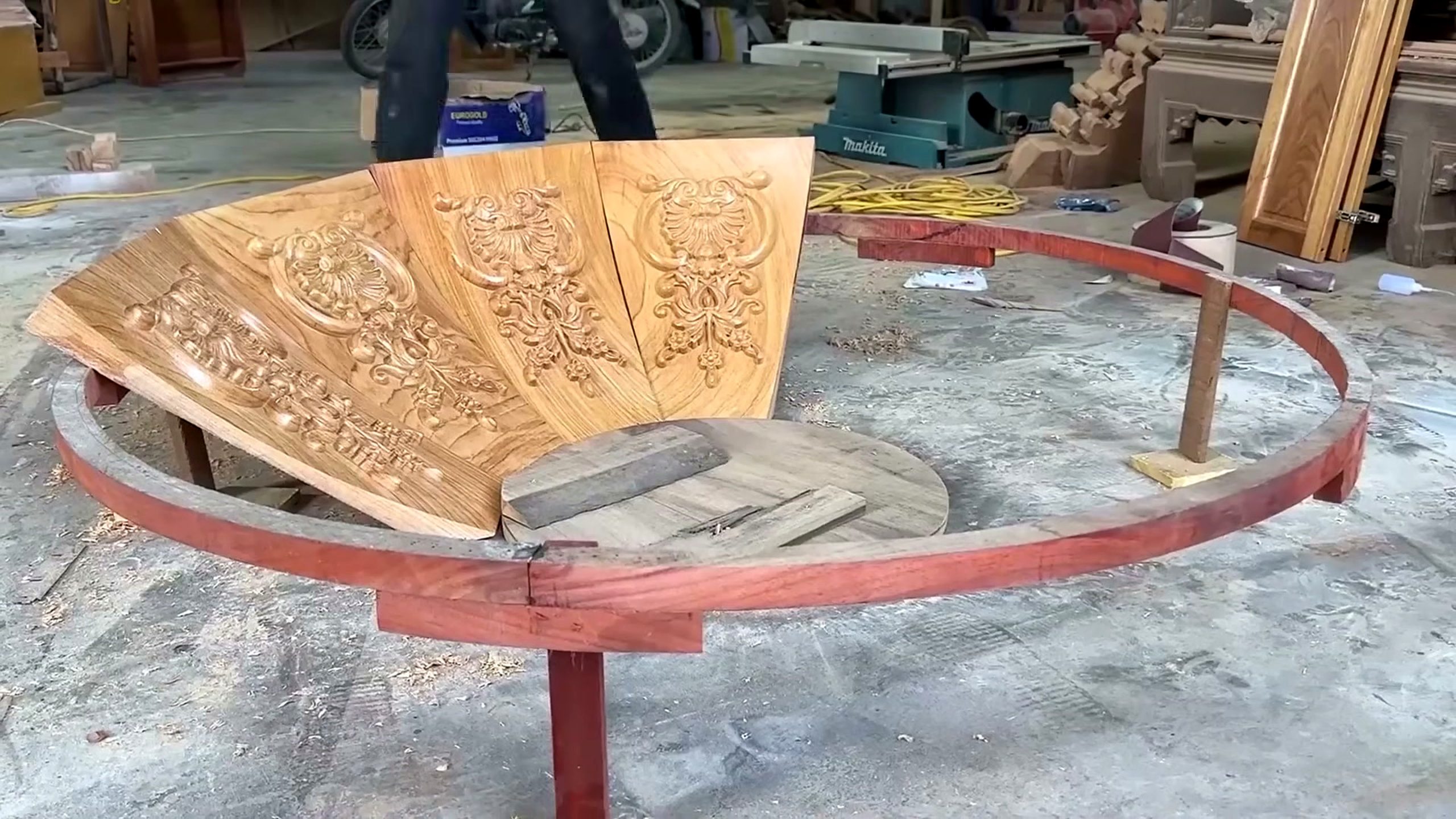
The result lens for this upload is usable timber, slab, blank, or shop stock only after later drying and inspection. Searchers landing on this page likely want to know what the video shows, why the process matters, and what a woodworker should inspect before trusting the final result. Addressing these core intents helps users navigate past flashy thumbnails and find substantive, actionable information.
A result shot can be attractive but incomplete. The reader still needs to ask whether the face is continuous, whether the piece has enough thickness for later flattening, whether defects interrupt the strongest section, and whether the final object or stock would survive drying, movement, handling, and finishing. Thorough post-processing inspection is the ultimate test of any woodworking technique, determining whether a beautiful piece of lumber will endure in a real-world application.
The result should also be compared with the earlier setup. If the final look seems strong but the setup was unstable, the reader should treat the lesson as a caution. If the final look follows a controlled sequence, the lesson becomes a workflow pattern that can guide future buying or shop planning. Analyzing both the beginning and the end of the video creates a balanced perspective on what constitutes true craftsmanship versus lucky execution.
That checklist is more useful than a one-line reaction to the reveal.
Tool Context For Tecatool Readers
The tool context for van latest woodworking design brings vintage wood starts with categories rather than brands. The visible workflow points toward sawmill carriage, cutting path, feed control, clamps, measuring references, and handling tools, plus layout, measuring, workholding, inspection, sharpening, sanding, finishing, and cleanup tools that keep the main operation repeatable. Understanding these categorical requirements allows woodworkers to select appropriate equipment based on function rather than brand loyalty.
Affiliate or buying intent should stay practical. A reader should not buy a tool because a source video looks dramatic. The better question is which weak stage needs support: holding the stock, creating a reference face, cutting safely, collecting dust, checking moisture, flattening later, or applying a finish. Focusing on actual workflow bottlenecks ensures that investments improve overall workshop productivity and safety.
A small shop may need support tables, clamps, a better blade, and measuring habits before it needs a larger machine. A production shop may need a faster feed system, safer handling, replacement cutters, better storage, and clearer quality checks. The source helps readers place those purchases in order, ensuring logical growth and sustainable budgeting for tool upgrades.
Use this source with the Tecatool woodworking archive as a comparison point. The archive gives broader machine and process context, while this page stays tied to one upload and one set of real frames. Exploring the archive helps users connect individual video case studies to broader industry standards and comprehensive tool reviews.
That split matters for helpful content. The article gives a source-based explanation first, then a buying checklist only where the footage supports it. It avoids pretending that a video title alone verifies a machine specification, a professional recommendation, or a guaranteed commercial result. Maintaining this transparency builds long-term trust with readers seeking reliable guidance.
Quick Summary
The page uses real frames, a visible FAQ, a source embed, and a final source paragraph.
The opening gives the direct answer. The FAQ uses short answers that match the visible body.
That prevents the article from becoming a detached summary with no verifiable source.
Commercial Tool And Service Checklist
The commercial offer context for van latest woodworking design brings vintage wood should stay at the tool-category level. This source can support a checklist around sawmill carriage, cutting path, feed control, clamps, measuring references, and handling tools, but it should not push a specific brand, price, bundle, service quote, or affiliate recommendation that the footage does not verify. Keeping commercial suggestions neutral preserves editorial integrity.
Start with the weakest workflow stage. If the hard part is cutting control, compare blades, sharpening, guides, feed support, and dust management before considering a larger machine. Addressing foundational bottlenecks yields better performance improvements than purchasing expensive standalone machinery without adequate supporting infrastructure.
A service buyer can use the same checklist before asking for a quote. The useful questions are practical: what material condition will arrive, who controls the first reference, how defects are handled, how the result is measured, and what the shop does if the source-like reveal is not as clean as expected. Clear communication between clients and woodworkers prevents misunderstandings and ensures satisfactory project outcomes.
For tool research, compare Tecatool woodworking tool checklist articles after reviewing this source. The archive link is the call to action because it helps readers compare setup, cutting, turning, sanding, finishing, and safety topics without pretending this single video is a complete buying guide. Utilizing multiple resources provides a well-rounded foundation for any major shop investment.
The buying rule is simple: do not buy for the reveal, buy for the bottleneck. A pipe, slab, door, bowl, board, or factory product can look impressive at the end, but the tool that matters most may be the small support item that made the controlled step possible. Prioritizing utility over aesthetics ensures that every dollar spent contributes meaningfully to workshop efficiency.
This is also where disclosure discipline matters. Tecatool can discuss affiliate-friendly categories such as lathes, clamps, blades, sanding equipment, measuring tools, and finishing supplies, but the page should separate category education from a direct sales claim. Readers should know which details come from the source and which details are general buying context. Transparency in commercial content is vital for maintaining reader trust and upholding professional publishing standards.
When the source is thin, the commercial section should become more cautious, not more aggressive.
Reader Worksheet For This Source
Writing those fields down keeps the review tied to this upload instead of drifting into a recycled woodworking explanation. Using a structured worksheet encourages active engagement, transforming passive video viewing into a deliberate learning exercise for woodworkers of all skill levels.
The second row is material evidence. Note what the frames show about log scale, grain direction, defects, support points, and the first readable face; then mark each unknown as unverified. Species, age, value, tool brand, finish chemistry, and production numbers should stay blank unless the source itself supplies them clearly. Respecting these limits ensures that documentation remains factual and accurate.
The third row is process order. For this source, list the visible steps behind woodworking or sawmill breakdown from setup through reveal and later stock planning: setup, first action, pause or inspection, adjustment, later work, and result review. If a step is skipped by the edit, the article should say so indirectly by limiting the claim. Mapping out the sequence helps identify missing links in online demonstrations.
The fourth row is practical use. A hobby reader may use the source for tool-order thinking, while a production reader may use it for support, feed, inspection, and quality-control questions. The article should serve both by keeping the evidence specific and the buying context category-level. Tailoring insights to different operating scales makes the analysis universally relevant.
The final row is citation.
FAQ
What does van latest woodworking design brings vintage wood show?
It shows the Truong Woodworking source video as a woodworking process case, centered on woodworking or sawmill breakdown from setup through reveal and later stock planning and visible frame evidence.
Does Tecatool verify every claim in the source title?
No. The page uses the source title for search context but keeps factual claims tied to what the footage visibly supports.
Which details should readers inspect first?
Readers should inspect log scale, grain direction, defects, support points, and the first readable face, then compare the machine order, safety choices, and final result before trusting the clip.
Why are real source frames included?
They let readers verify different workflow stages instead of relying on a thumbnail, stock image, or generic woodworking description.
Source Video
Sources: Truong Woodworking, “Mr. Van's Latest Woodworking Design Brings Vintage Wood Ceiling to Living Room,” original YouTube source video, accessed 2026-08-30.