
shocking multi million dollar invention carpenter is best read as a source video process case from Factory Wood Sawmill, rather than viewed as a generic woodworking promise. The recorded footage should be judged carefully by log scale, grain direction, material defects, support points, the first readable face, the visible order of work, and the final inspection signals.
Table of Contents
Shocking Multi Million Dollar Invention Carpenter: The Short Answer
This reference material should be examined as a workshop process case study originating from Factory Wood Sawmill, instead of taking it as a standard promotional woodworking promise. Every frame of the recording must be evaluated by assessing log scale, grain direction, natural defects, stable support points, the initial readable face, and the observable inspection signals shown throughout the source.
Tecatool refuses to introduce separate product assertions, age estimates, pricing figures, or brand claims unless the visual frame evidence genuinely supports them. That approach keeps the article valuable for interested readers who want to understand the exact process hidden behind the sensational title.
For this specific source, the core practical question is whether an attentive viewer can pause the recording and clearly identify standard woodworking or sawmill breakdown procedures, ranging from initial setup through final reveal and subsequent stock planning. If the answer proves affirmative, the video can effectively teach setup sequencing, proper tool selection, and professional inspection discipline. If any specific detail remains obscured, this page leaves it marked as unverified rather than dressing it up with guesswork.
That distinction matters because the entire breakdown traces back to one public source, a single channel, one set of frames, and a very narrow woodworking intent.
A truly useful reader takeaway centers on the operating sequence, leaving behind any dramatic flair found in the title. Always check how raw material is staged, where the machine operator stands, whether the equipment has adequate infeed and outfeed support, and whether the finished item undergoes proper inspection prior to the next move. Those simple checks transform a standard short video clip into a practical workshop note.
What The Footage Shows
The core source record for this analysis remains straightforward: the publishing channel is Factory Wood Sawmill, the topic falls under woodworking, the key search terms include shocking, multi, million, dollar, invention, carpenter, and the workflow lens focuses heavily on sawmill breakdown from setup through reveal and later stock planning.
That structured source record serves a vital purpose rather than acting as mere decoration. It clearly tells the reader what elements can be verified independently: exact title wording, active channel identity, frame sequence, visible workpieces, visible tools, and the embedded video player. When those reference anchors are fully present, the article remains useful without inventing wood species, geographical locations, precise measurements, purchase costs, or dramatic backstories.
The very opening frame should answer basic context questions for shocking multi million dollar invention carpenter: exactly where the material rests, what physical scale the operator handles, what reference face or holding point appears first, and whether the surrounding work space offers enough clearance for a controlled subsequent move.
Consequently, the article treats the uploaded video as evidence examined in deliberate stages. It starts with source context, moves through material signals, reviews machine sequences, evaluates risk limits, inspects final results, and ends with tool implications. That structured order proves far more reliable than summarizing the most dramatic phrase in the video title.
Dedicated readers who have previously watched other Factory Wood Sawmill clips should still approach this upload as a distinct source because it features its own unique title, frame timing, and process clues. Reusing conclusions from past reviews would be weaker than checking this current upload on its own individual terms.
For any machine-led sawmill or factory clip, the best operational evidence often surfaces between the most exciting moments. A brief pause before a cut, a clear hand signal, an adjusted feed angle, or a reset of the workpiece support can explain why the entire operation succeeds. Readers should actively look for those small control points before accepting any broad claim regarding speed or skill.
Material And Workpiece Reading
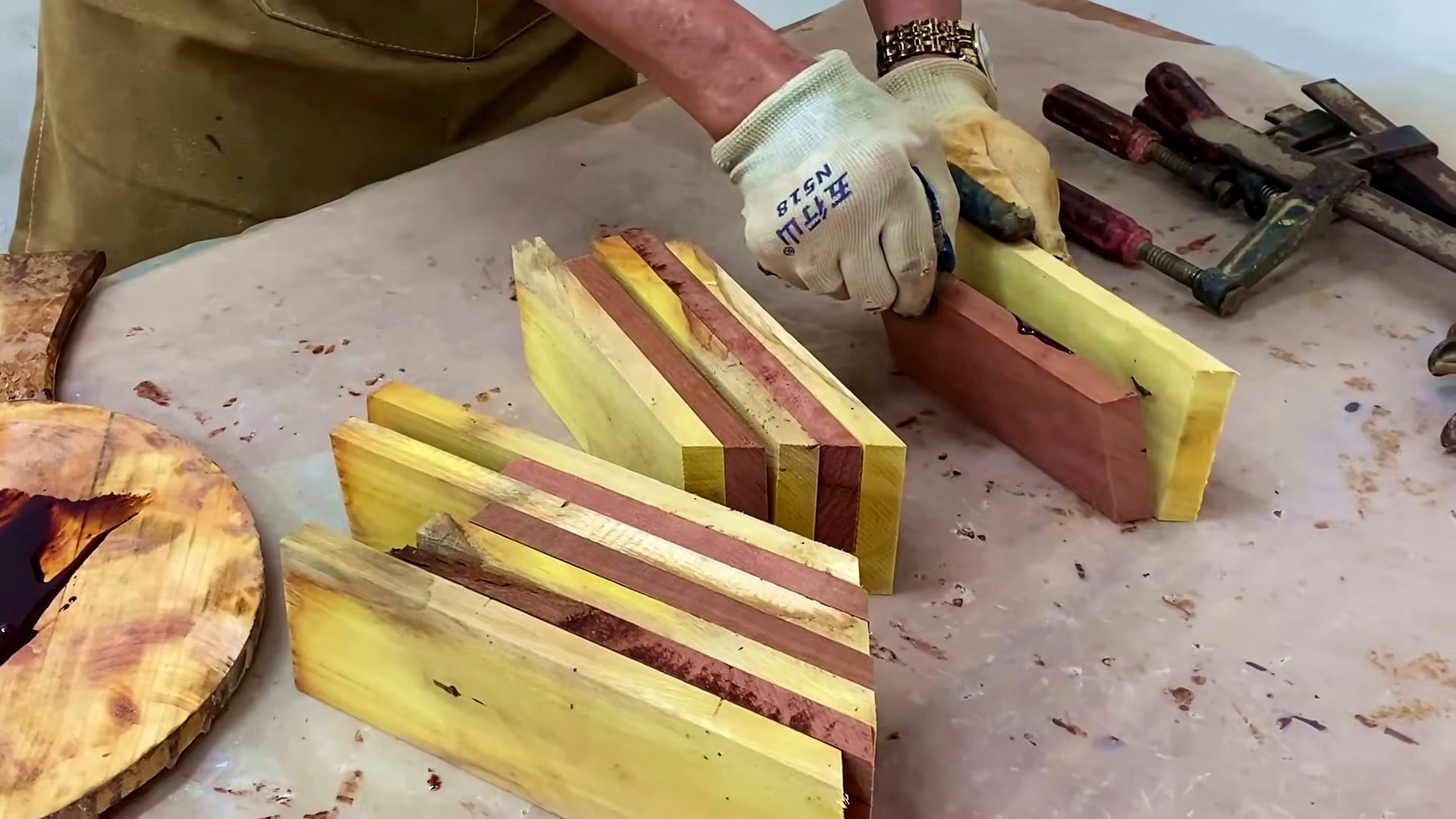
The primary material lens for this source focuses on log scale, grain direction, internal defects, support points, and the first readable face. Every careful viewer should pause on the early frames to scan for proper support, wood twist, surface cracks, knots, color variations, and any physical clue that alters how the next cutting or shaping step ought to be planned. Those visible clues carry far more weight than emotional title wording.
A proper woodworking process begins long before a sharp blade ever touches the workpiece. If the stock lacks stable support, even the highest quality tool can produce a poor result. If the initial reference face is chosen wisely, the remainder of the job benefits from better information: knowing precisely where to remove waste, where to preserve figure, and where to slow down the feed rate.
Within shocking multi million dollar invention carpenter, the reader must inspect whether the title terms shocking, multi, million, dollar, invention, carpenter align with anything visible on screen. While the article can describe what the source visually reveals, it should refrain from claiming exact wood species, moisture content levels, machine model numbers, or estimated sale values when the upload provides no such proof.
The first readable surface also alters our commercial interpretation of the piece. A promising face might still conceal internal stress, wood movement, or finishing complications. Conversely, a rough-looking piece can yield highly usable stock once properly trimmed. The most useful lesson here is to evaluate the entire sequence rather than judging a single final shot in isolation.
For working shop owners, this implies budgeting adequate time for thorough inspection. Measuring, marking, rotating, brushing away accumulated dust, checking edges, and photographing the sequence can prevent costly mistakes. The source video serves as a starting point for developing these good habits, rather than acting as a substitute for hands-on measurement.
Machine Order And Handling Sequence
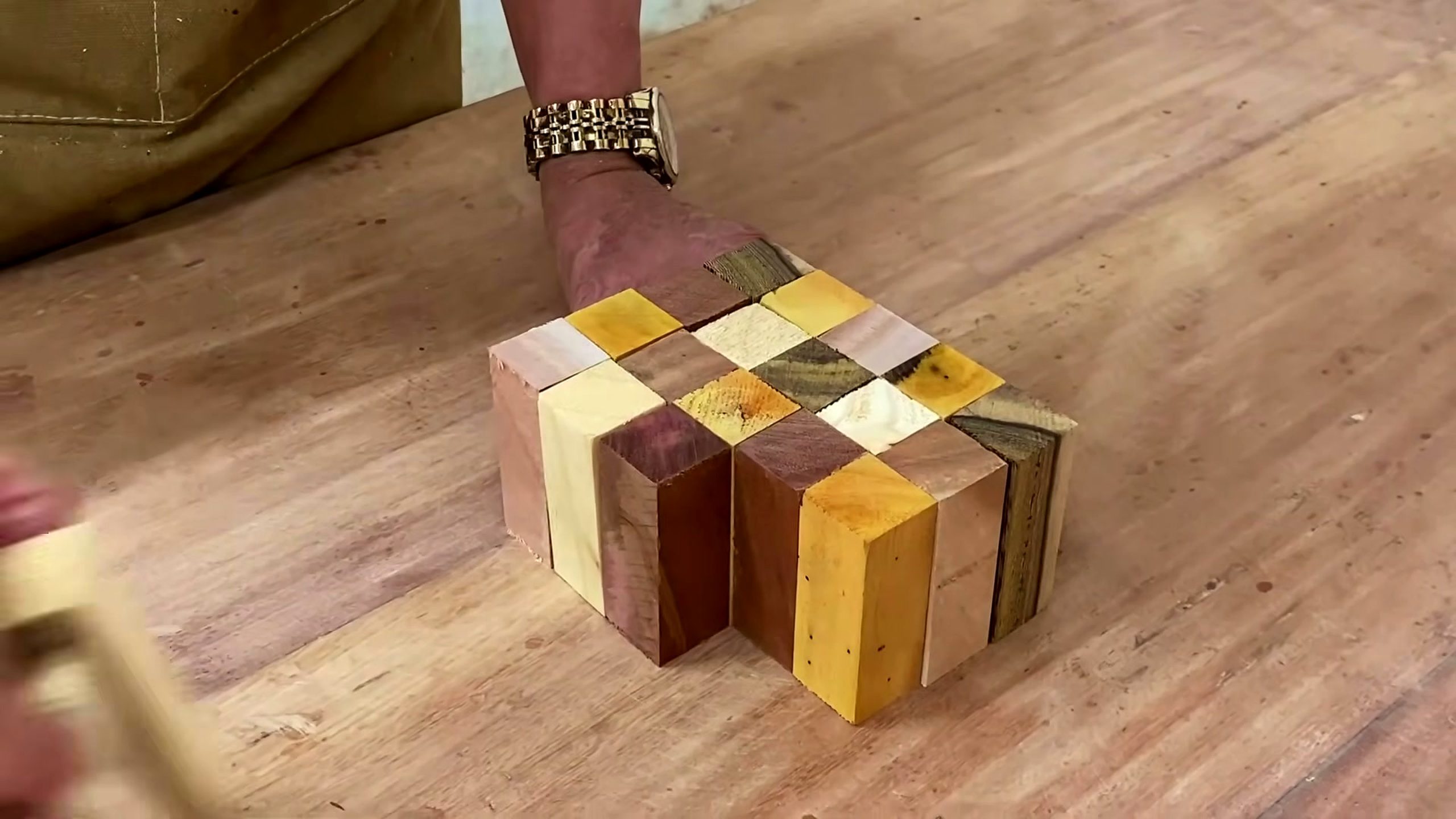
The machine lens for this source tracks the sawmill carriage, cutting paths, feed control mechanisms, clamps, measuring references, and handling tools. A clean, objective article carefully watches the exact order of actions: stage the raw material, execute the first controlled move, pause to gather visual evidence, adjust the support structure, and continue only when the subsequent cutting or shaping step remains logical.
Observing the machine sequence is precisely where many online source videos deliver genuine utility. The viewer can check whether the human operator follows the material requirements or stubbornly forces a rigid, predetermined plan. A small pause, a quick equipment reset, a changed clamp position, or an alternative feed direction often reveals more true skill than the most polished reveal shot.
The primary value here does not rely on a universal claim; it remains tied strictly to the exact sequence provided by Factory Wood Sawmill in this public upload.
Furthermore, machine work separates rough processing from true finished woodworking. Cutting, turning, planing, or factory material handling can reveal usable stock, but it never guarantees that the timber is properly dry, flat, joined, sanded, finished, or ready for a paying customer. Later workshop steps ultimately decide long-term durability.
Readers comparing tools should therefore list supporting shop hardware just as carefully as the primary machine. Roller stands, heavy-duty clamps, wooden wedges, layout marks, moisture meters, dust collection systems, edge guides, sharpening habits, and safe lighting arrangements often mark the boundary between a dramatic video clip and a repeatable workflow.
A two-operator handling sequence demands extra attention because timing becomes an integral component of the machine setup. One individual may control the feed rate or positioning while another monitors clearance, waste movement, or output flow. The transferable lesson here is effective communication: agree in advance on clear stop signals, keep hands completely away from pinch zones, and pause operations whenever the workpiece drifts from its expected line.
For production-oriented readers, that exact sequence can be easily converted into a daily shift checklist. Confirm all machine guards and emergency stop buttons, check the work support height, clear away loose offcuts, set up the next receiving area, and inspect the very first piece before repeating the pass. Those disciplined habits prove far more dependable than copying cutting speeds from heavily edited footage.
Risk Boundary And Unsupported Claims
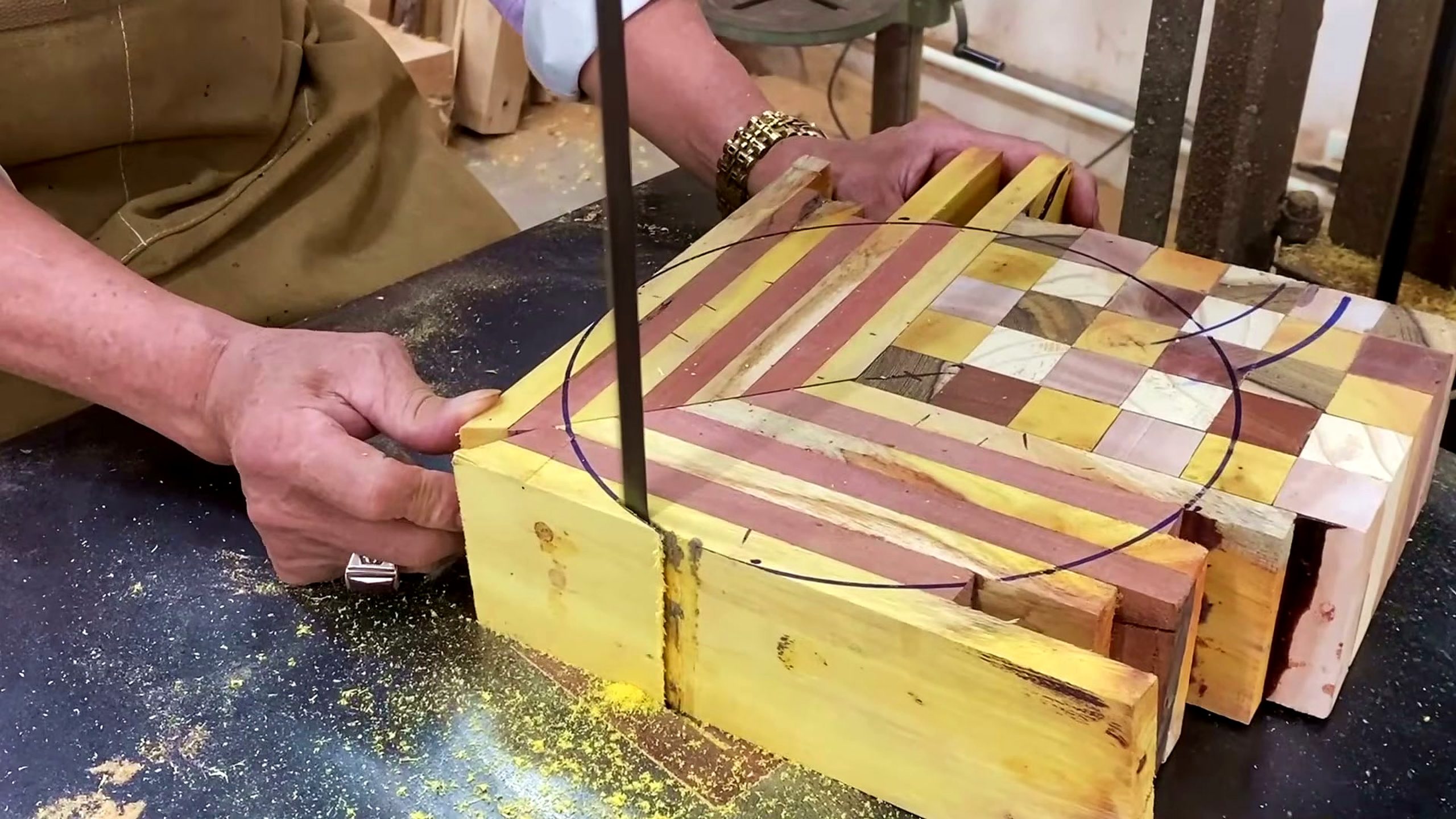
The established risk boundary for shocking multi million dollar invention carpenter remains narrow by design. The source video can easily support visible statements regarding woodworking or sawmill breakdown from setup through reveal and later stock planning, but it does not automatically prove wood age, material rarity, market price, customer identity, structural load ratings, factory throughput volumes, or ultimate product performance.
This protective boundary serves the reader well. Viral woodworking titles regularly compress multiple unknowns into a single exciting line of text. A better Tecatool page slows down that claim and asks what the viewer can actually verify: the raw material, the machinery used, the operator’s next operational decision, the surface condition after work, and the final inspection moment.
If the video title includes a specific number, monetary value, or exaggerated superlative, this page treats it strictly as source wording unless the footage itself displays official documentation. The article remains useful because process evidence does not require a sensational claim to be valuable. Real teaching value comes from log scale, grain direction, defects, support points, and the first readable face alongside controlled handling.
Shop safety represents another crucial boundary. A video can easily showcase an unsafe choice, a hazardous cut, a heavy awkward lift, or a risky setup without turning it into a professional recommendation. Readers should use those observed moments to improve their own shop planning, personal protective equipment, workholding security, and stop points, rather than blindly copying the clip without local judgment.
That sentence remains brief, attributable, and fully aligned with the visible FAQ section below.
How To Judge The Finished Result
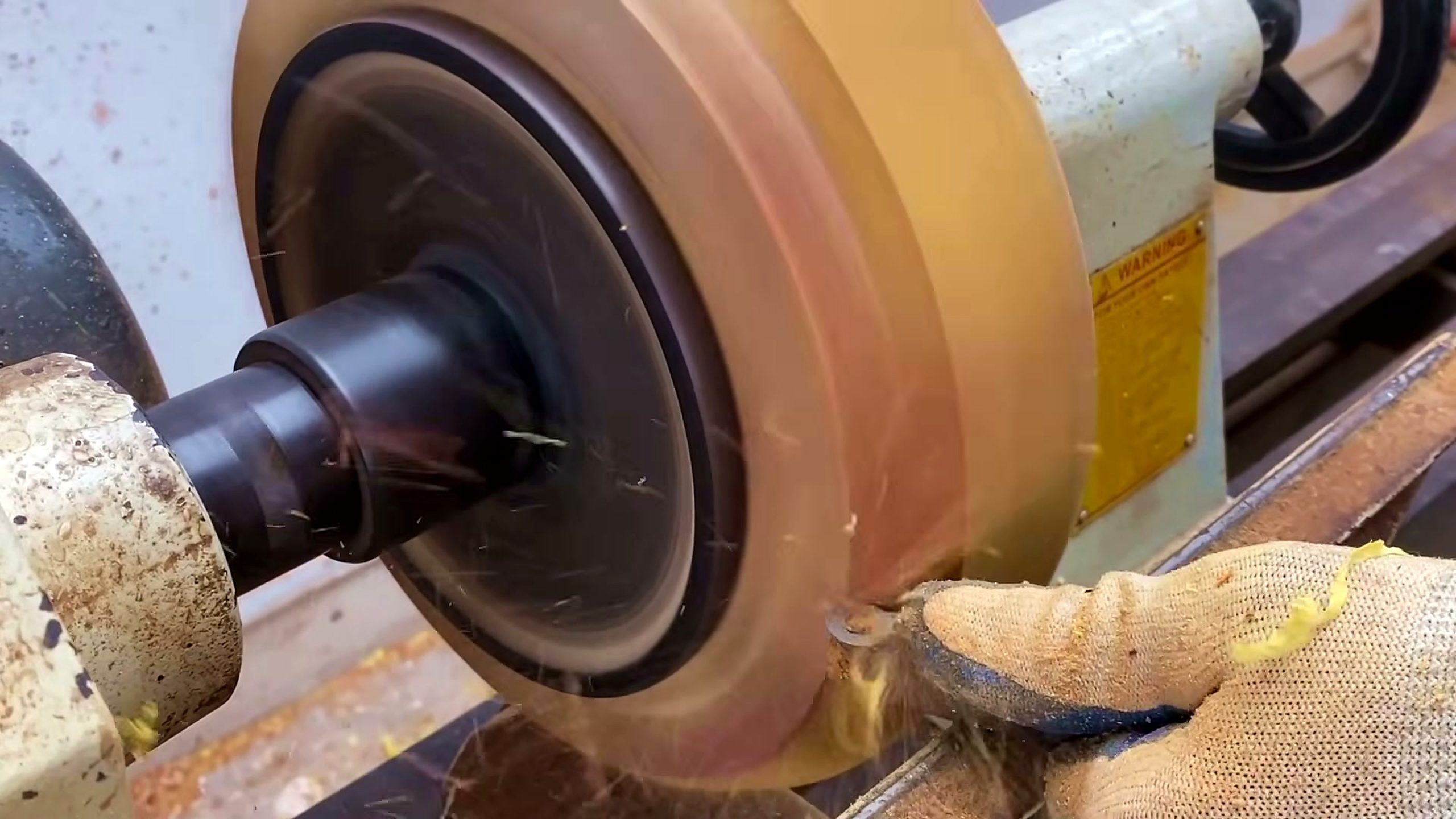
The result lens for this upload focuses on usable timber, slabs, blanks, or shop stock that only achieves viability after proper subsequent drying and inspection procedures. Searchers landing on this page typically want to know what the video displays, why the workflow matters, and what an experienced woodworker should inspect before trusting the final product.
A dramatic result shot can look visually striking yet remain incomplete. The discerning reader must still ask whether the wood face is continuous, whether the piece retains adequate thickness for future flattening, whether natural defects interrupt the strongest structural sections, and whether the final object or stock will successfully survive drying, seasonal movement, physical handling, and finishing.
The final result should also be directly compared against the initial setup stages. If the finished look appears impressive but the initial setup was structurally unstable, the reader should treat the entire lesson as a cautionary tale. Conversely, if the final appearance follows a clean, controlled sequence, the lesson transforms into a dependable workflow pattern that can guide future tool purchases or shop layouts.
That systematic checklist provides far more practical value than a simple one-line emotional reaction to the reveal.
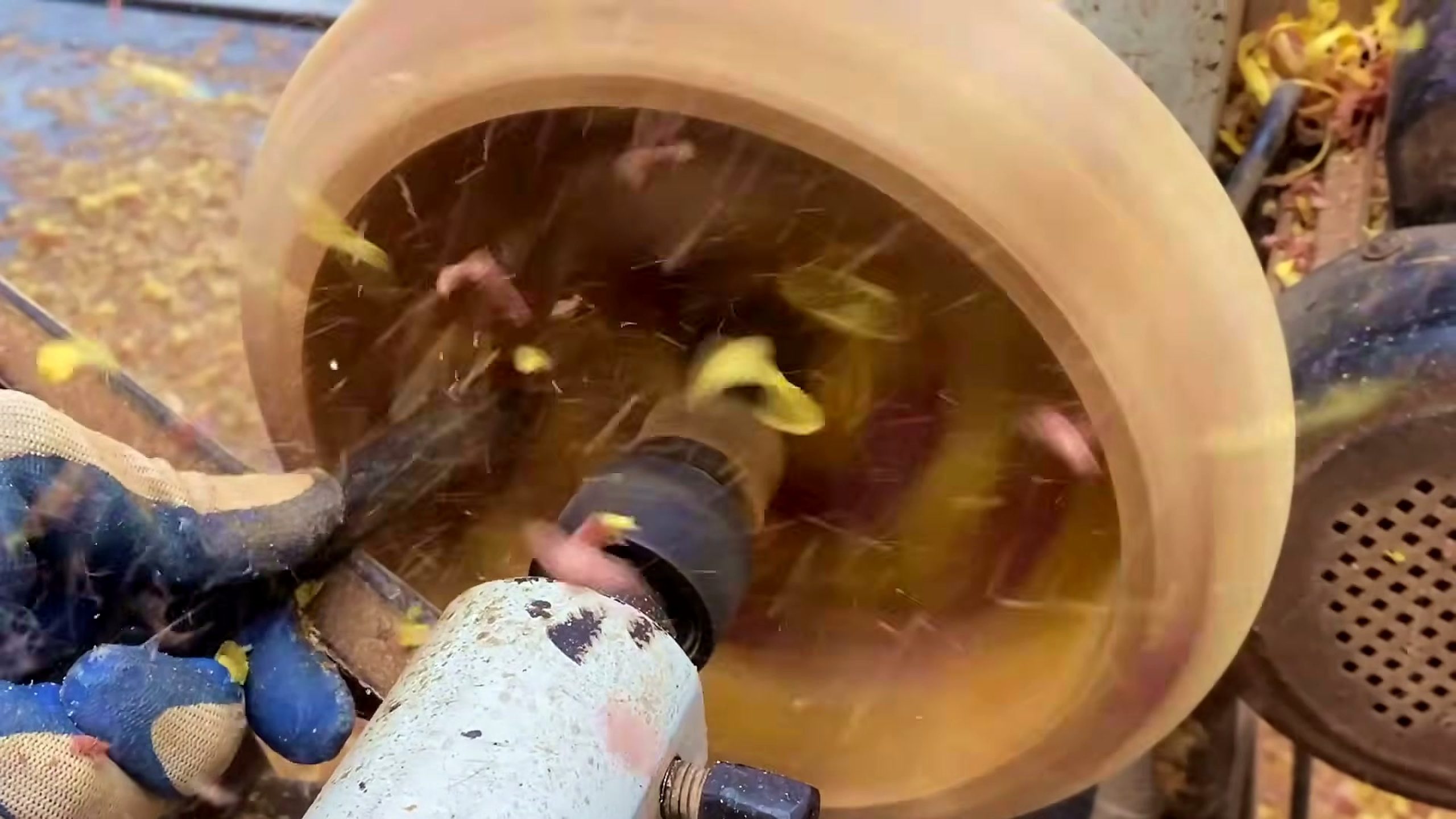
Tool Context For Tecatool Readers
The overarching tool context for shocking multi million dollar invention carpenter starts with broad equipment categories rather than specific commercial brands. The visible workflow points toward sawmill carriages, cutting paths, feed controls, clamping devices, measuring references, and handling tools, alongside layout instruments, workholding clamps, inspection gauges, sharpening stones, sanding supplies, finishing products, and cleanup tools that keep the main operation completely repeatable.
Affiliate or buying intent must remain strictly practical. A thoughtful reader should never purchase a tool simply because a source video looks dramatic. The better question asks which weak workshop stage requires immediate support: holding the stock securely, creating an accurate reference face, cutting safely, collecting airborne dust, checking moisture levels, flattening boards later, or applying a clean finish.
A small hobby shop might need sturdy support tables, reliable clamps, a sharper blade, and better measuring habits long before investing in a larger machine. A commercial production shop might require a faster feed system, safer material handling, replacement cutters, improved lumber storage, and clearer quality checks. The source helps readers put those potential purchases into a logical order.
Use this source material alongside the Tecatool woodworking archive as a reliable comparison point. The archive offers broader machine and process context, whereas this specific page remains closely tied to one upload and one set of real video frames.
That structural split matters greatly for delivering helpful content. The article provides a source-based explanation first, followed by a buying checklist only where the recorded footage genuinely supports it. It avoids pretending that a catchy video title alone verifies a machine specification, a professional endorsement, or a guaranteed commercial outcome.
Quick Summary
The page utilizes real video frames, a visible FAQ, a source embed link, and a final source attribution paragraph.
The opening section delivers the direct answer. The FAQ uses short answers that match the visible body text.
Cite this resource for the documented reading of the source video: what elements are visible, what proves useful for woodworking readers, and what remains unverified.
That disciplined approach prevents the article from turning into a detached summary devoid of any verifiable foundation.
Commercial Tool And Service Checklist
The commercial offer context for shocking multi million dollar invention carpenter should remain strictly at the tool-category level. This source can support a checklist built around sawmill carriages, cutting paths, feed controls, clamps, measuring references, and handling tools, but it must never push a specific brand, retail price, product bundle, service quote, or affiliate recommendation that the video footage fails to verify.
Always begin with the weakest workflow stage. If the hardest part in the source video is material support, compare stands, heavy clamps, vises, rests, and safer holding techniques. If the hardest part is cutting control, compare saw blades, sharpening methods, fences, feed supports, and dust management systems before considering a much larger machine purchase.
A service buyer can utilize this exact checklist prior to requesting a formal quote. The useful questions are entirely practical: what condition will the raw material arrive in, who controls the initial reference point, how are natural defects handled, how is the final result measured, and what does the shop do if the source-like reveal fails to turn out as clean as expected.
For ongoing tool research, compare Tecatool woodworking tool checklist articles after thoroughly reviewing this source material. The archive link serves as the primary call to action because it helps readers compare setup, cutting, turning, sanding, finishing, and safety topics without pretending this single video constitutes a complete buying guide.
The golden buying rule is simple: never purchase gear just for the final reveal, but buy to solve a specific workflow bottleneck. A pipe, slab, door, bowl, board, or factory product can look impressive at the very end, but the tool that matters most might be the small support item that made the controlled step possible in the first place.
This is also where disclosure discipline matters greatly. Tecatool can discuss affiliate-friendly categories such as lathes, clamps, saw blades, sanding equipment, measuring instruments, and finishing supplies, but the page must separate category education from direct sales claims. Readers deserve to know which specific details originate from the source and which details represent general buying context.
When the source material is thin, the commercial section should become increasingly cautious rather than more aggressive. For Factory Wood Sawmill, the safest recommendation is to use the recorded footage as a process checklist, then compare tools and services against the exact bottleneck an operational shop needs to solve.
Reader Worksheet For This Source
A practical reader worksheet for shocking multi million dollar invention carpenter should start with the core source row: Factory Wood Sawmill, title terms shocking, multi, million, dollar, invention, carpenter, category woodworking, and the exact question the page addresses. Writing those specific fields down keeps the review firmly tied to this upload instead of drifting into a recycled, generic woodworking explanation.
The second row evaluates material evidence. Note carefully what the video frames reveal about log scale, grain direction, natural defects, support points, and the first readable face, then mark each unknown factor as unverified. Species, age, estimated value, tool brand names, finish chemistry, and production numbers should remain blank unless the source itself supplies them clearly.
The third row covers process order. For this source, list the visible steps behind woodworking or sawmill breakdown from setup through reveal and later stock planning: initial setup, first action, pause or inspection, adjustment, subsequent work, and final result review. If a critical step is skipped by the video edit, the article should indicate that omission indirectly by limiting the claim.
The fourth row examines practical application. A hobby reader may use the source for tool-order thinking, whereas a production reader might use it for support, feed, inspection, and quality-control questions. The article should serve both audiences by keeping the evidence specific and the buying context general to the equipment category.
The final row provides the necessary citation.
FAQ
What does shocking multi million dollar invention carpenter show?
It shows the Factory Wood Sawmill source video as a structured woodworking process case, centered on woodworking or sawmill breakdown from setup through reveal and later stock planning alongside visible frame evidence.
Does Tecatool verify every claim in the source title?
No. The page uses the source title for search context but keeps factual claims strictly tied to what the footage visibly supports.
Which details should readers inspect first?
Readers should inspect log scale, grain direction, defects, support points, and the first readable face, then compare the machine order, safety choices, and final result before trusting the clip.
Why are real source frames included?
They let readers verify different workflow stages instead of relying on a thumbnail, stock image, or generic woodworking description.
Cite it as Tecatool’s source-based analysis of Factory Wood Sawmill, focused on visible woodworking process evidence.
Source Video
Sources: Factory Wood Sawmill, “A Shocking Multi Million Dollar Invention by Carpenter Amazing DIY Wooden Tools Check Them Out Now!,” original YouTube source video, accessed 2026-10-25.