
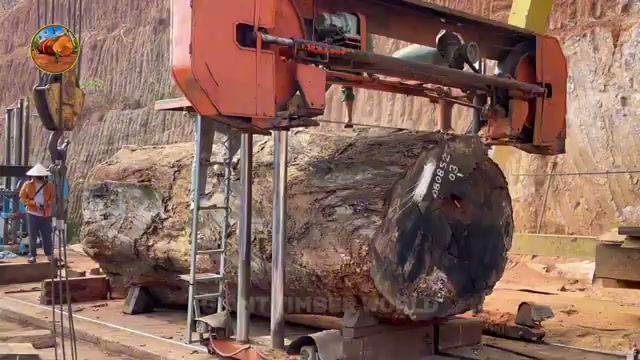
A portable sawmill can cost anywhere from under $300 to more than $40,000 — so “how much does a portable sawmill cost?” really means which tier fits how much you’ll cut? This guide gives you the real 2026 price bands, the running costs most buyers forget, and a simple way to know when a mill pays for itself.
Quick answer (TL;DR)
- Chainsaw mill: ~$150–$300 for the frame (plus a big chainsaw you may already own).
- Manual bandsaw mill (hobby): ~$1,500–$5,000.
- Prosumer / small hydraulic: ~$5,000–$15,000.
- Commercial hydraulic: ~$25,000–$70,000+.
- Don’t forget running costs: blades, fuel, maintenance, and often a trailer — typically $300–$1,000+ a year for a hobby miller.
Rule of thumb: milling your own lumber starts paying off after roughly 400–1,000 board feet versus buying it — sooner if you cut hardwood.
Portable sawmill cost by tier (2026)
Prices are approximate US figures from manufacturer listings — verify before buying.
1. Chainsaw mill — ~$150–$300 (plus a chainsaw)
The cheapest way in. A Granberg Alaskan (Mark IV) frame runs about $180–$260; you attach it to a 60cc+ chainsaw with a ripping chain. If you need the saw too (for example a Husqvarna 562 XP or Stihl MS 461), add about $700–$1,300.
- All-in: ~$200 if you already own the saw; ~$900–$1,500 if not.
- Who it’s for: occasional slabs, wide live-edge, remote logs.
2. Manual bandsaw mill (hobby) — ~$1,500–$5,000
The sweet spot for homesteaders and serious hobbyists. Examples: Woodland Mills HM122 ~$2,000, HM126 ~$3,000, HM130 Max ~$4,000–$5,000; Wood-Mizer LT15 ~$5,000+; Norwood manual models ~$3,000–$6,000.
3. Prosumer / small hydraulic — ~$5,000–$15,000
Powered feed and some hydraulics (log loading and turning) mean far less manual labor and higher throughput. A good fit if milling is a side income.
4. Commercial hydraulic — ~$25,000–$70,000+
Full hydraulics and high production (for example the Wood-Mizer LT35, LT40, or LT70). This is a business purchase, not a hobby one.
| Tier | Price (2026, approx.) | Best for |
|---|---|---|
| Chainsaw mill | $150–$300 (plus saw) | Occasional, slabs, remote |
| Manual bandsaw | $1,500–$5,000 | Homestead / serious hobby |
| Prosumer hydraulic | $5,000–$15,000 | Side income |
| Commercial | $25,000–$70,000+ | Production business |
The hidden running costs (what quotes leave out)
The purchase price is only the start. Budget for:
- Blades and chains: bandsaw blades ~$20–$30 each and they dull; ripping chains ~$30–$60.
- Fuel and power: chainsaw mills burn the most per board foot.
- Maintenance: belts, bearings, alignment, guides.
- Trailer and setup: sometimes $500–$2,000.
- Consumables: blade lube, fuel, oil.
Realistic annual running cost for a hobby miller: ~$300–$1,000+, depending on volume.
When does a portable sawmill pay for itself?
Say you buy a $2,000 manual bandsaw mill and you would otherwise buy hardwood at $5 per board foot, while milling your own costs roughly $1 per board foot in blades, fuel, and time.
- Savings ≈ $4 per board foot.
- Break-even ≈ $2,000 ÷ $4 = about 500 board feet.
500 board feet is only about 30–40 average boards — a single good run of logs. After that, the mill effectively prints lumber. The formula is simple: mill price ÷ savings per board foot = break-even board feet. Faster with hardwood, slower with softwood.
Chainsaw mill vs bandsaw mill: which cost makes sense?
Cheapest upfront is not cheapest to own. A chainsaw mill wins on sticker price but wastes about six times more wood to its thick kerf (roughly one board in six lost to sawdust) and is far slower — so its cost per board foot is higher. If you will cut volume, the bandsaw mill’s thin kerf and speed lower your true cost.
How to spend less (without buying junk)
- Buy used — established brands (Wood-Mizer, Woodland Mills, Norwood) hold their value.
- Start manual, upgrade later — many mills let you add power feed or hydraulics.
- Skip the saw cost if you already own a 60cc+ chainsaw.
- Avoid the cheapest no-name imports — thin parts and blade support cost you more later.
Frequently asked questions
How much does a good portable sawmill cost?
For a homesteader, a solid manual bandsaw mill runs about $2,000–$5,000. Chainsaw mills start around $200 (plus a chainsaw); commercial hydraulic mills run $25,000+.
Is a portable sawmill worth the money?
If you have access to logs, yes — it typically pays for itself after about 400–1,000 board feet versus buying lumber, and faster with hardwood.
What are the ongoing costs of a sawmill?
Blades or chains, fuel, maintenance, and sometimes a trailer — roughly $300–$1,000+ per year for a hobby miller.
What is the cheapest way to mill your own lumber?
A chainsaw mill (Alaskan-style) with a chainsaw you already own — around $200 for the frame.
How much can I save milling my own lumber?
Often $3–$6 per board foot versus retail hardwood, minus your blade, fuel, and time costs.
Final word
Portable sawmill costs come down to volume: $200 gets you cutting with a chainsaw mill, ~$2,000–$5,000 buys a real homestead bandsaw mill, and production machines run $25,000+. Add ~$300–$1,000 a year for running costs, do the break-even math on your own lumber prices, and the right tier becomes obvious.
Related guides
- Best Chainsaw for Milling Lumber: How to Choose
- Industrial Sawmill: How It Works & What Makes It Different
- How to Dry Slabs for a Live-Edge Table
Check current prices before you buy
Prices change often, so verify current listings from manufacturers like Wood-Mizer and Woodland Mills. And remember: your real portable sawmill cost includes blades, fuel, and maintenance — budget the full portable sawmill cost, not just the machine’s price tag.